


Some error occured while loading the Quick View. Please close the Quick View and try reloading the page.
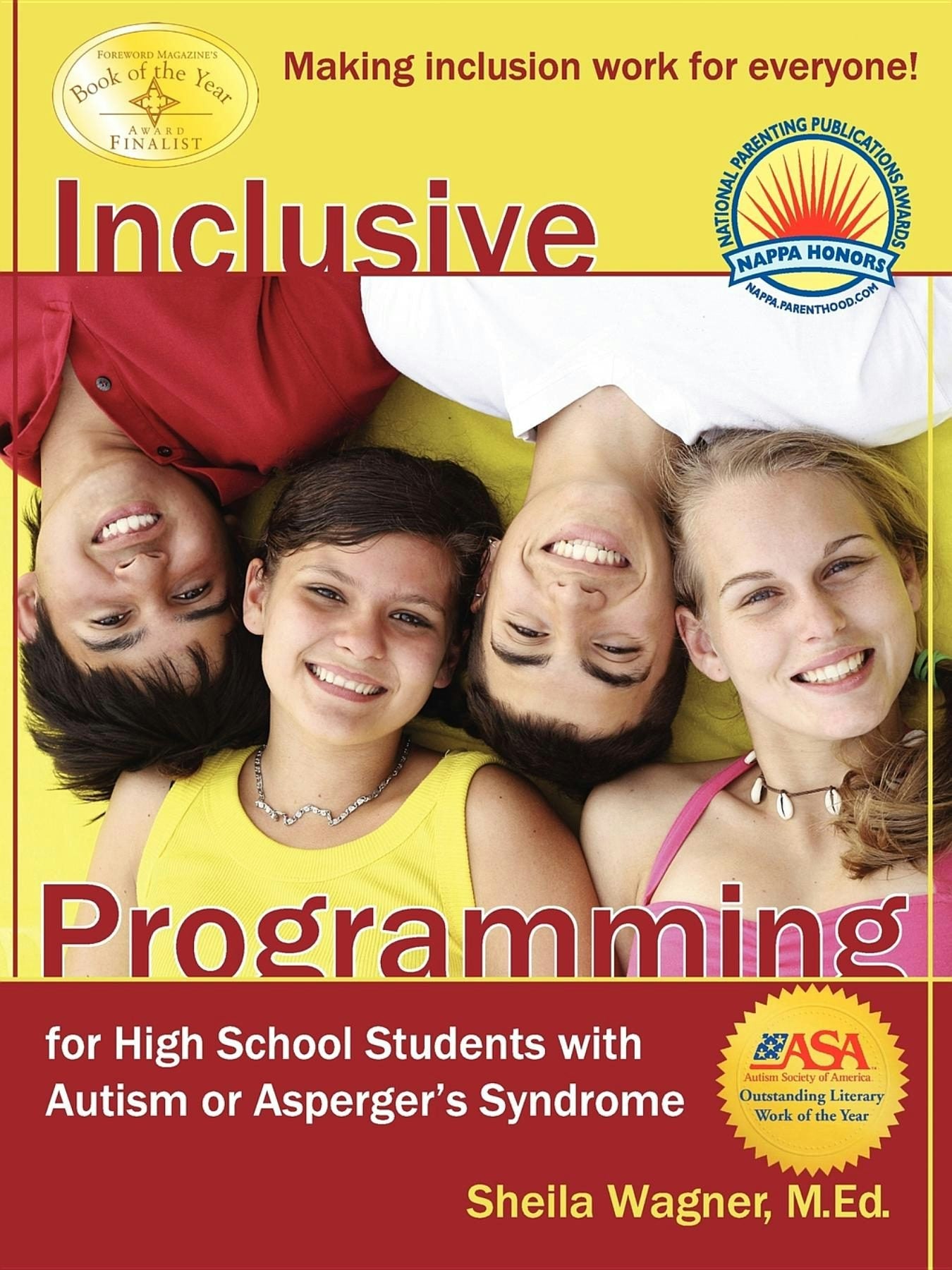
Successful inclusion in high school is critical for achieving independence as an adult! Even though inclusive education is now the standard for educating students with special needs, inclusion is a still a very new process. Successful inclusion relies on flexibility of parents and educators, and their ability to work together for the sake of the student. Training, collaboration, specialized teaching, long-term planning, and a clear idea of the desired outcome for the student—these are just as important at the high school level as they were in elementary and middle school. This comprehensive guide will help you give your child or student the best possible high school experience. You will learn how to help students navigate the social minefields of friendships and dating, while fostering the executive functioning skills they will need as adults. Expert Sheila Wagner provides the strategies and solutions you’ll need before, during, and after high school.
Topics include:
Plus many more!


“Sheila’s book goes a long way toward addressing the myriad of issues and positive ideas that wrap around the overarching concept of inclusion. …Thankfully, this book does an excellent job of exploring the range of topics that need to be discussed, not only with students who have Asperger’s Syndrome and similar disabilities, but also with educational providers and families. Spun with humor and insight, it offers the reader a firm grasp of the issues facing our teens as they prepare for their own adulthood.”
Michelle Garcia Winner, from the Foreword
Dedication
Thanks to
Foreword by Michelle Garcia Winner
Introduction
Acronyms
Part I: High School, Here We Come!
The High School Mentality
Transitioning from Middle School
Characteristics of Typically Developing
High School Students
Characteristics of High School Students with Autism
Characteristics of High School Students with Asperger’s Syndrome
Part II: Educational Issues
Restructuring High Schools for Inclusion
Registrars
Four-year versus Five-year Programs
Course Selection
Honors/AP Classes
Dropping Out of School
Foreign Language Requirements
Collaborative Classes, Co-teaching and Inclusion Classes
Study-Abroad Programs/Exchange Programs
Independent Study Program
Online Courses
Home Schooling
Athletic Emphasis
Organizational Skills at the High School Level
IEP Goals and Objectives
Academic Accommodations/Modifications
Graduation Requirements
Summer Coursework
Rubrics
Private High Schools
Asperger’s and Giftedness: “Twice Exceptional” Students
Part III: Behavior Programming
Behavior Programming and Adolescent Angst
Positive Behavior Plans
Punishment-Based Behavior Programming
Teaching Consequences to Students with ASD
Motivation versus Cognitive Processing
Zero-tolerance and Discipline Standards
The Out-of-Control Student
Legal Issues
You’re Under Arrest! ASD and Law Enforcement
Bullying and Peer Victimization
Related Topics
Part IV: The Social Scene
Social Skills Overview
Social Skills Assessment
IEP Objectives
Acting Proactively
Teaching Social Skills in High School
Developing Friendships
Peer Programming
Music Programs
Prom Night and Dating
The Social-Sexual Scene
Puberty, Adolescence, and Sex Education
Before-/After-School Activities
Part V: Adaptive/Vocational Options
Adaptive Skills
Work Exploration Programs
Vocational Activities
Functional Academic Skills
Domestic Living
Leisure Time in the Community
Driving Permits/Privileges
Vocational Rehabilitation Evaluation
Part VI: Transitioning to the Adult World
Long-term Planning
Informing Students about their Disability
Diplomas
GEDs
Graduation: Age 18 or 21?
College Introductory Classes
Finding a College or University
Associate’s Degrees
Planning for Inclusion into the Community
Adult Services
Part VII: Words of Wisdom
Appendix
Resources for Successful Inclusion Programs
References