


Some error occured while loading the Quick View. Please close the Quick View and try reloading the page.
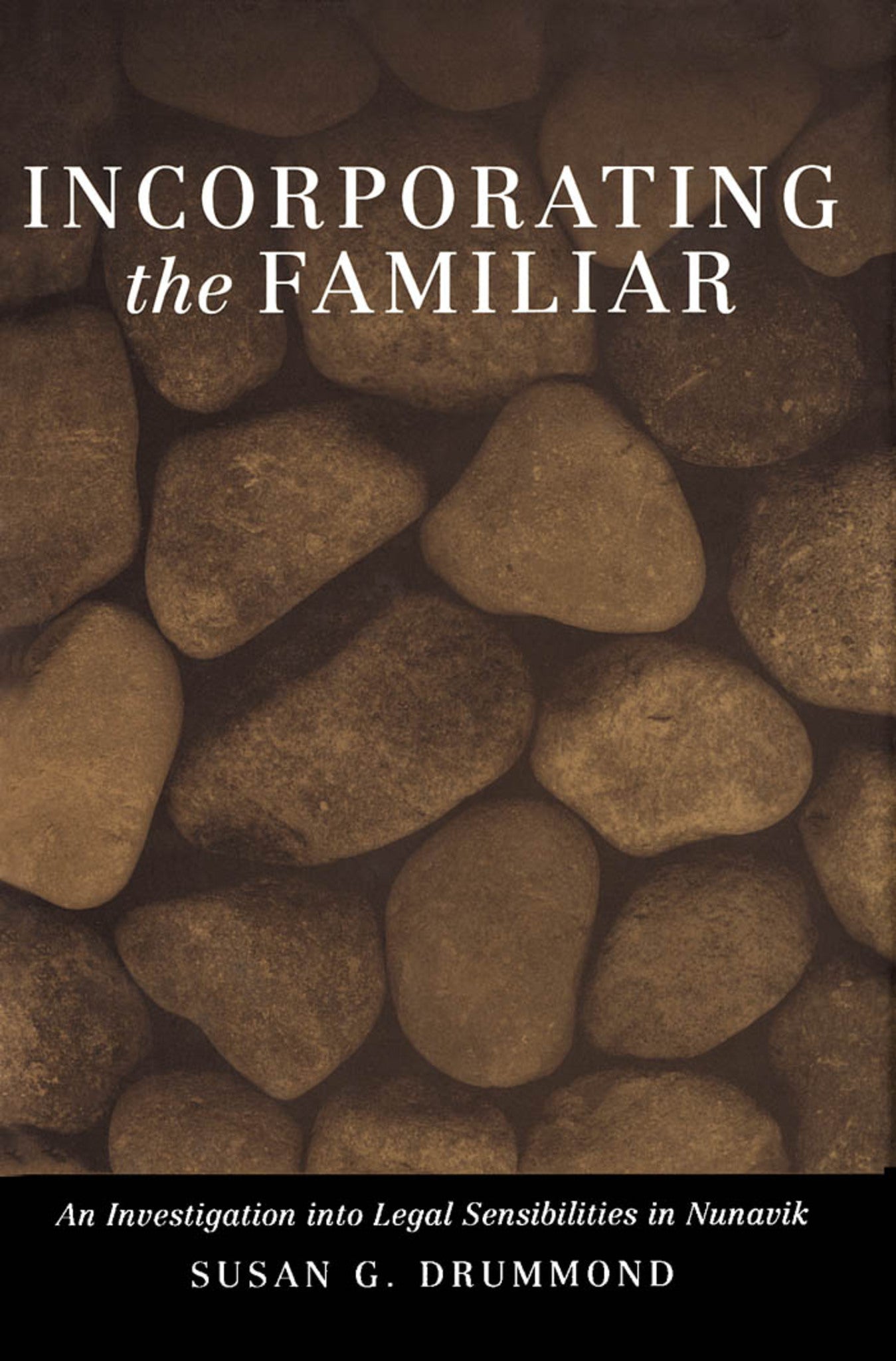
Drummond explores a series of philosophic, ethnographic, and legal dilemmas produced by the interaction between legal cultures, setting up a dialogue between narrative and theory by interspersing accounts of her field experiences in Inuit communities with analytical chapters. In the first section she addresses problems of delivery of justice among Inuit communities and explores the cultural determinacy of understanding. In the second section she focuses on the problem of family violence and the complexities to which it gives rise in rendering justice in Inuit communities. In the third section she provides an ethnographic account of Nunavik's first sentencing circle, underlining her contention that juridical rules emerge from the habits and forms of a society. Exploring the quandaries of intercultural communication and contemplating how diverse legal sensibilities might be mutually recognized, Incorporating the Familiar evokes the possibilities and limits of intercultural accommodation.

Price: $110.00
Publisher: McGill-Queen's University Press
Imprint: McGill-Queen's University Press
Publication Date:
30 September 1997
ISBN: 9780773566903
Format: eBook
BISACs:
LAW / General, HISTORY / Indigenous / General

"Drummond's work is timely in bringing together themes of gender, culturally specific understanding, and aboriginal legal forms; she navigates a careful path between respect for aboriginal traditionalism and appeals to non-aboriginal authority." David Kahane, Department of Philosophy, University of Alberta