


Some error occured while loading the Quick View. Please close the Quick View and try reloading the page.
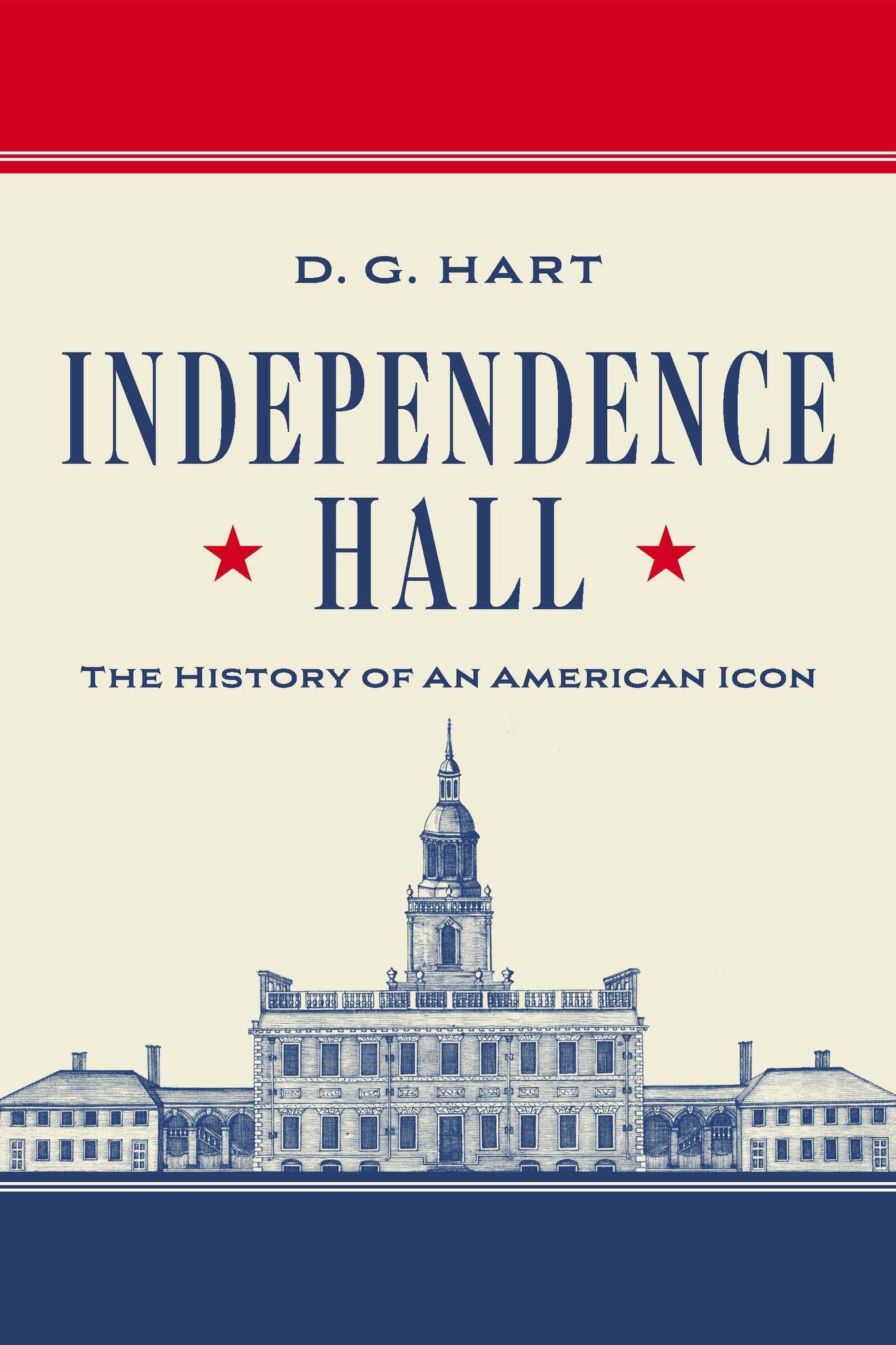
The surprising story of how an ordinary building became—finally—a chief symbol of the American Founding and its political ideals.
Independence Hall, where the Declaration of Independence was signed 250 years ago, is today a beloved American shrine and an international symbol of political liberty. Yet it was not always so. In Independence Hall: The History of an American Icon, one of our most accomplished and provocative historians unspools the surprising story of Independence Hall’s origins, varied uses, and ultimate rise to national-landmark status.
D. G. Hart, a Philadelphia native, has an eye for the fascinating and incongruous. He tells not only the stories surrounding the signing of the Declaration of Independence and the framing of the Constitution. He also reveals:
- Benjamin Franklin’s connection with Independence Hall’s origins;
- how the building became at one time America’s first natural history museum (led by quirky portraitist Charles Willson Peale), and at another time Philadelphia's municipal dog pound;
- why Abraham Lincoln lay in state there following his assassination;
- the role of Kevin Bacon’s father, Edmund, in creating Independence National Historical Park; and
- why it took so long for the nation to recognize Independence Hall’s significance and meaning.
Written for the general reader, everyone interested in our national story will find this quintessentially American history eye-opening and entertaining.


“Darryl Hart’s compulsively readable history vividly captures the dynamic mix of political, social, and historical forces that have shaped Philadelphia’s most iconic building—and the neighborhood it’s in—not just in their presumed eighteenth-century heyday but right up to the present.”—Michael Norris, Executive Director, Carpenters’ Hall
“Darryl Hart has had a distinguished career writing on American religion and politics. This new book is a work of high scholarship, yet it is designed for any educated citizen. Hart’s story tells the long and inspired tale of the old State House as it transformed from mere building to national symbol. The narrative is informed, amusing, and philosophical. Independence Hall is must reading for America’s 250th birthday celebration.”—Bruce Kuklick, Nichols Professor of American History Emeritus at the University of Pennsylvania
“We shape our buildings and afterward our buildings shape us,” Winston Churchill observed about rebuilding the House of Commons after it was destroyed in World War II. From its modest beginnings as a colonial assembly room, to the signing of the Declaration of Independence and the drafting of the Constitution, Darryl Hart traces the narrative of American self-government through the building where it was birthed and took life. Independence Hall: The History of an American Icon opens a new window to America’s great story, through a remarkable place that still shapes us today.”—Matthew Spalding, Hillsdale College and author, The Making of the American Mind: The Story of Our Declaration of Independence
Introduction
Chapter One: Good but Not Great
Chapter Two: The First Pentagon
Chapter Three: After the Revolution
Chapter Four: Classroom for Federalism
Chapter Five: Museum
Chapter Six: Political Theater
Chapter Seven: History Preserved
Chapter Eight: A Park for the City, Nation, and World
Conclusion: How Iconic