


Some error occured while loading the Quick View. Please close the Quick View and try reloading the page.
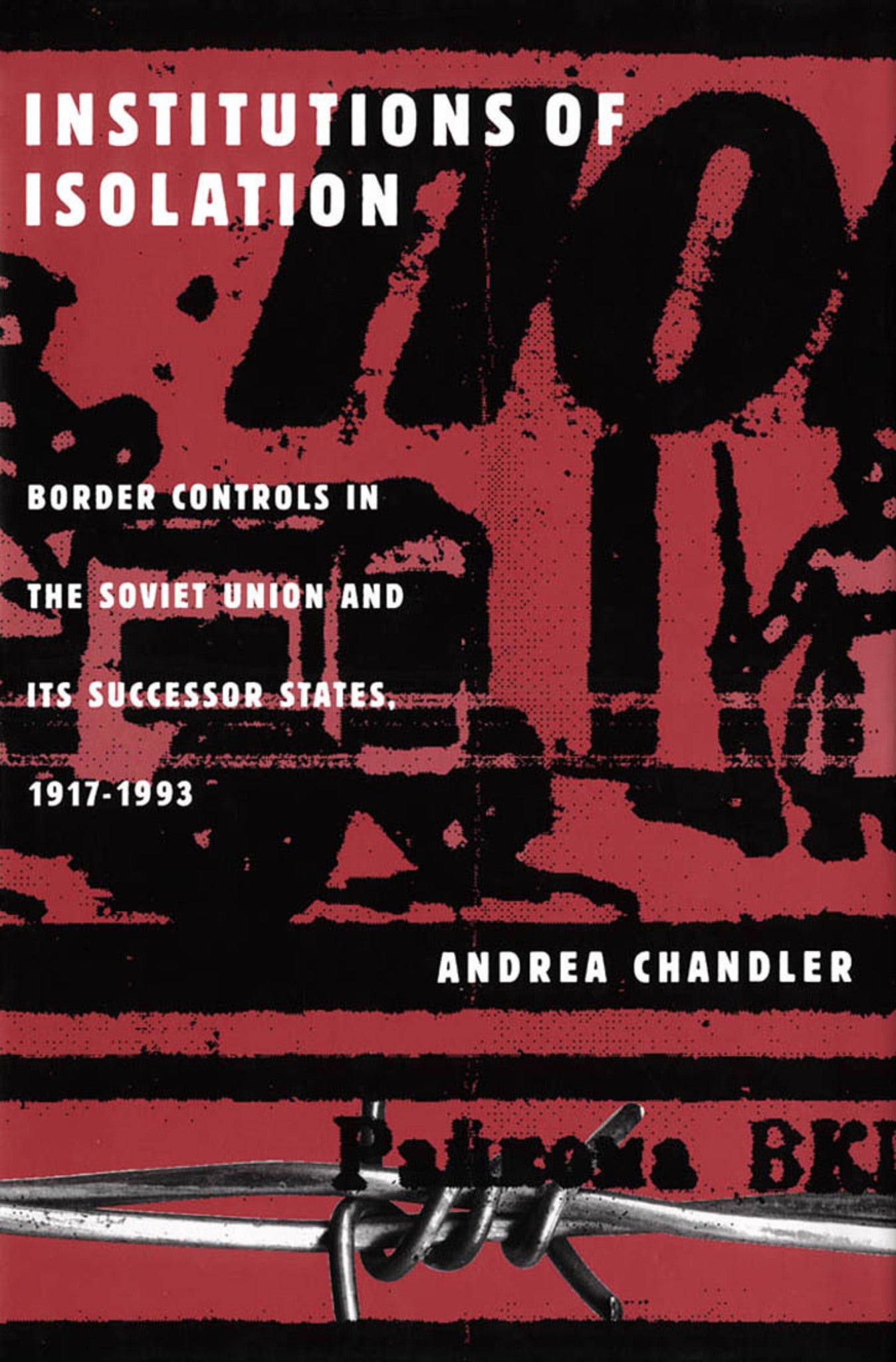
Chandler provides a comprehensive examination of border controls from the Bolshevik Revolution of 1917 to the collapse of the U.S.S.R. in 1991 and shows the continued importance of border controls for the newly independent Soviet successor states. She reveals the changing nature of Soviet border control policy, from the extreme Stalinist isolation of the 1930s to liberalization - and eventual instability - during perestroika in the late 1980s. Chandler argues that Communist ideology was not the only reason for the self-imposed isolation of the state and explores a complex, ever-changing set of political, inter-bureaucratic, and economic factors that combined to influence the Soviet Union's closed-border policies. She draws on social science theories of comparative institutional change and state formation to illuminate policies within the Soviet state, which has often been regarded as a unique case. By exploring why a political system that originally prided itself on its internationalism devoted such intense efforts to seal its society from the outside world, Institutions of Isolation provides a revealing case study of the strengths and weaknesses of the Soviet state.

Price: $110.00
Publisher: McGill-Queen's University Press
Imprint: McGill-Queen's University Press
Publication Date:
April 23, 1998
ISBN: 9780773567122
Format: eBook
BISACs:
HISTORY / Russia / General

"Institutions of Isolation is an excellent case study. Readers will come away from Chandler's work with an enhanced understanding of Soviet and post-Soviet politics." Bill McGrath, Department of Political Science, Memorial University