


Some error occured while loading the Quick View. Please close the Quick View and try reloading the page.
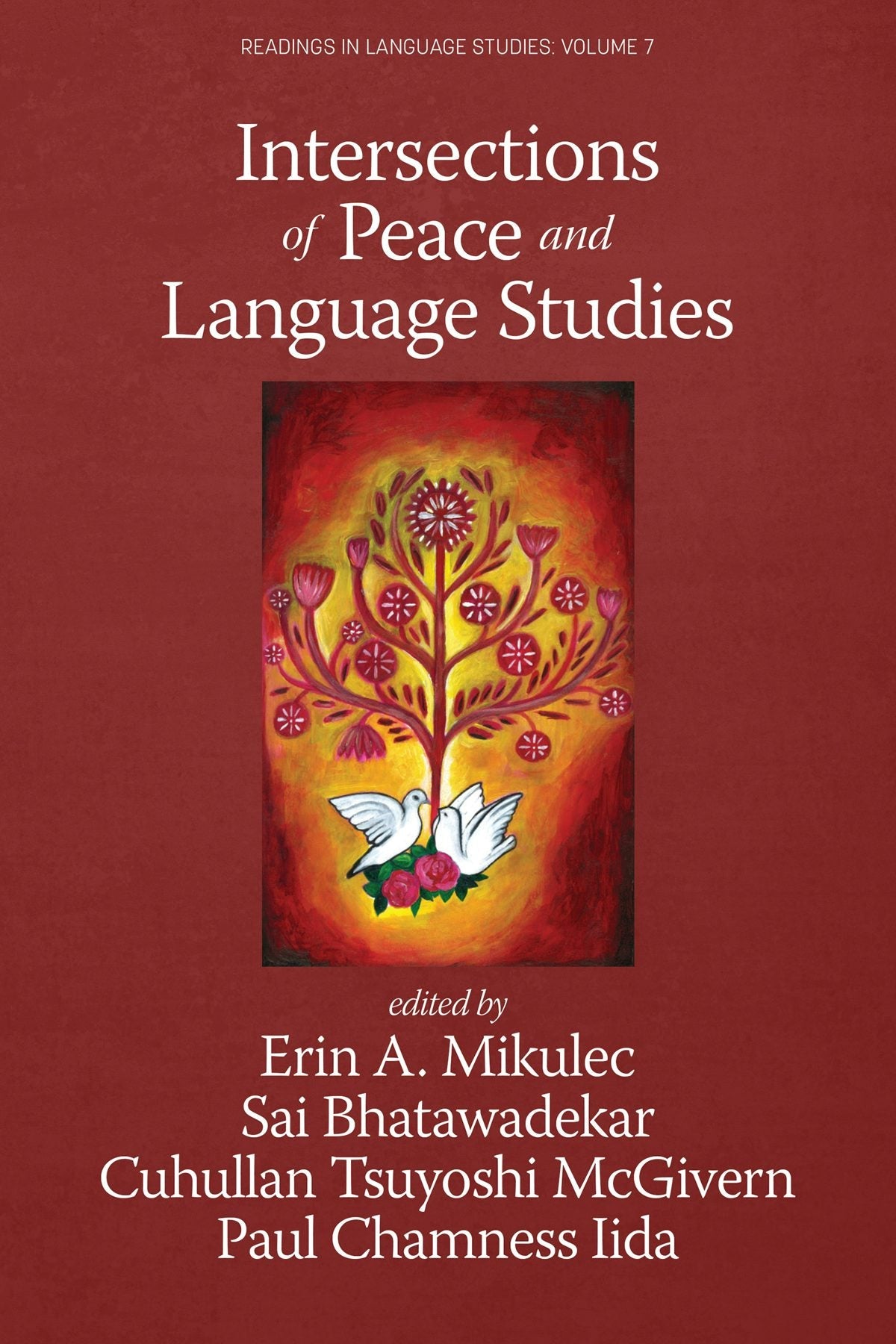
Readings in Language Studies, Volume 7: Intersections of Peace and Language Studies features international contributions that represent state-of-the-field reviews, multi-disciplinary perspectives, theory-driven syntheses of current scholarship, reports of new empirical research, reflections on pedagogical practices, and critical discussions of major topics centered on the intersection of language studies and peace. Consistent with the mission of ISLS, the collection of 13 chapters in this volume seeks to “bridge these arbitrary disciplinary territories and provide a forum for both theoretical and empirical research, from existing and emergent research methodologies, for exploring the relationships among language, power, discourses, and social practices.”
Language and peace are in themselves incredibly complex concepts. They are simultaneously interpersonal in their function and effect as well as intimately personal in their experience. From everyday communication to the pragmatics of world diplomacy, from embracing a foreign culture to embarking upon a journey of self-awareness, language and peace are inseparably intertwined. To reveal their myriad interconnections, in local and global contexts, is a limitless task; nevertheless, we attempt to bring you a few glimpses from far corners of the world. It is also a linguistic and postcolonial mission of this society and the book series to publish the voices of non-native speakers of English. Decolonizing the academic enterprise is part of our commitment to diversity.


Introduction.
Chapter 1. Foreign Popular Media: Boon or Bane for Peaceful Educational Outcomes in Japanese University EFL Learning Contexts? Brian G. Rubrecht.
Chapter 2. For the Peace of Mind of Language Learners: Understanding Constraints on Learners in an EFL Environment; Chieko Mimura.
Chapter 3. Identifying and Identifying With: A Critical Look into Student Interaction with Peace, Activism, Altruism, and Love in a Japanese University Setting; Kirk R. Johnson and Tim M. Murphey.
Chapter 4. Peacebuilding and Social Justice in English as a Foreign Language: Classroom Experiences from a Colombian High School; Yecid Ortega.
Chapter 5. Incorporating Peace Education into EFL; Maki Taniguchi.
Chapter 6. Critical Foreign Language Pedagogy: Peace Education & Confronting and Negotiating Aggressive Situations; Gerrard Mugford.
Chapter 7. Social Dispositions Against Women in Bangledesh: Using Critical Media Literacy to Promote Social Justice; Sabiha Sultana and K. C. Nat Turner.
Chapter 8. Bilingual Teacher Candidates Speak of Peace, Language, and Identity: Reflecting on the Era of Restrictive Language Policies in California; Ana M. Hernández.
Chapter 9. The Tattooed Body Speaks Peace: Centering the Male Brown Body as Language of Rebellion, Resilience, and Emancipation; Mia Angélica Sosa-Provencio and Tamara Anatska.
Chapter 10. Pragmatic Acts of the Talking Drum in Pre-Colonial Yoruba Warfare and Peace Initiative; Waheed A. Bamigbade.
Chapter 11. The Roles of Language Use in the Elusive Peace of the Nigerian Social and Political Landscapes; Babatunji Adepoju.
Chapter 12. Investigating Language Politics Before and After the 2016 U. S. Election; Nicole King, Jackie Ridley, and Esther Yoon.
Chapter 13. The Role of Language in the Western Sahara Conflict Between Algeria and Morocco; Kamal Belmihoub.
Chapter 14. Waging War in the Language of Peace: The Use of Esperanto as the Aggressor Language by the U.S. Army; Timothy Reagan.
About the Editors.
About the Authors.