


Some error occured while loading the Quick View. Please close the Quick View and try reloading the page.
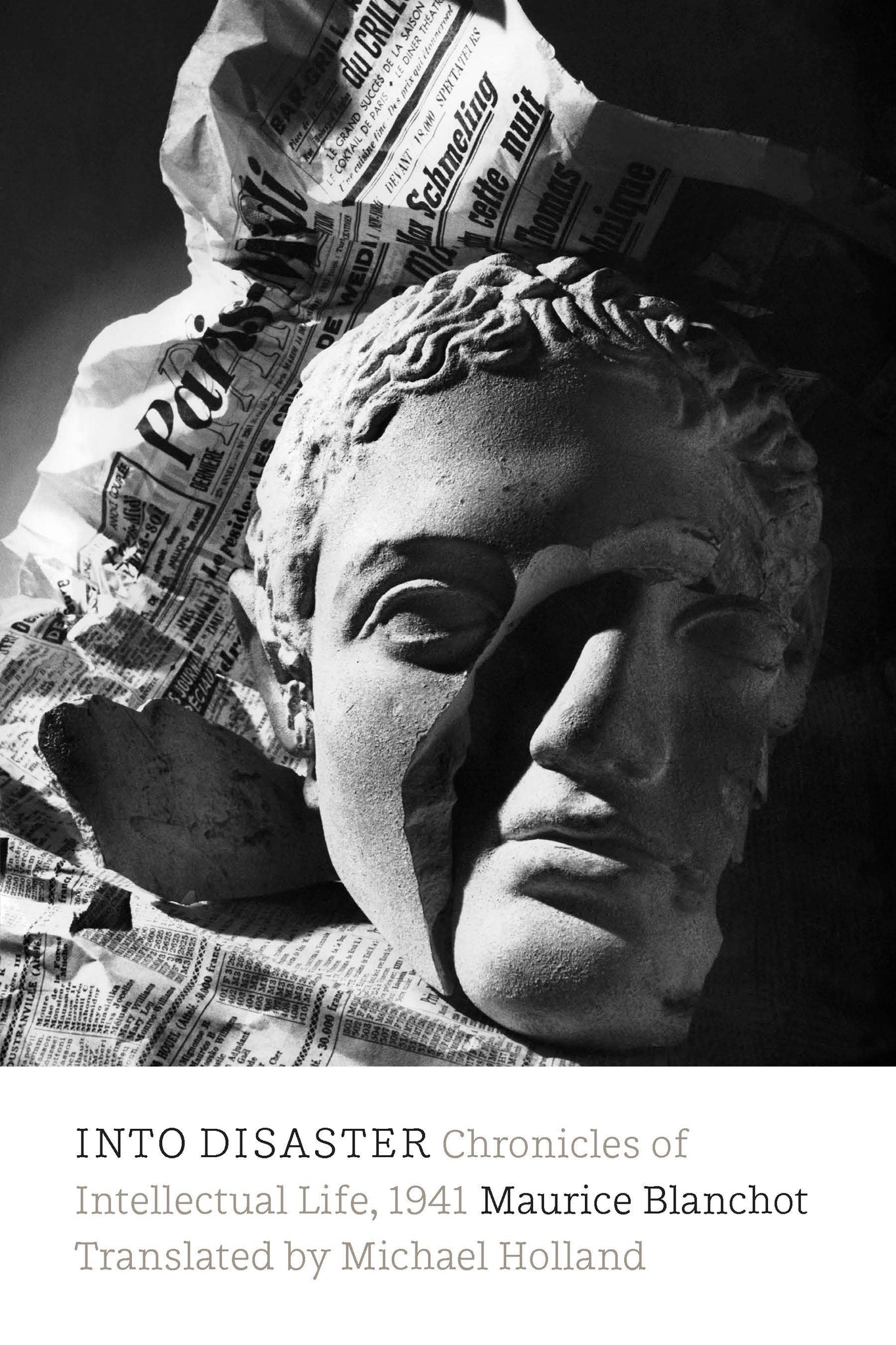
The German occupation of France put an end to Maurice Blanchot’s career as a political journalist. In April 1941, he began to publish a weekly column of literary criticism in the Journal des Débats, which became the source for his first critical work, Faux pas (1943). As well as providing a unique perspective on cultural life during the occupation, these pieces offer crucial insights into the mind and art of a writer who was to become one of the most influential figures on the French literary scene in the second half of the twentieth century.
In addition to laying the basis for the career of one France’s most original writers and thinkers, these articles offer a reminder that Blanchot’s political awareness remains undimmed, through clear if sometimes coded acts of criticism or defiance of the prevailing order.


“. . .an extraordinarily diverse and colourful series of critical essays, in which works of lasting quality and significance sit alongside others which have been justifiably forgotten, and where friendship and loyalty toward those who share Blanchot’s ideals play a decisive role in shaping his attention and his choices. Though given piquancy by the sometimes haughty verve always present in them to some degree, the articles also celebrate in sometimes ecstatic tones the pure joy and consolation that literature can bring.”---—Michael Holland, from the Introduction
What did Blanchot do, as a writer, during World War II? If this was a time of 'withdrawal,' as is often said, it was not a time of silence. The critical reflections and book reviews collected here reveal a writer in crisis who found it imperative to call on the public to read, and to think. In doing so, he continued to write in one of the only ways he knew how: by traversing a contemporary literary landscape shaped by war, conflict and defeat. This position is marked by compromise, to be sure. At the same time, Into Disaster resounds with a critical voice caught up in the urgency of literature experienced as the urgency of an unfolding history, and as one response to a moment in which no easy or adequate response was possible. These brief essays are tensed by the forces that wrought them.---—Jeff Fort, University of California, Davis
Michael Holland has brought a most valuable set of essays into English, masterfully providing new resources for approaching the emergence of what will become one of the most important literary voices of the post-war period. Into Disaster presents a thought obscurely defined by circumstances and separating from them in ways that are, in varying measure, problematic, enigmatic, and decisive. These efforts to uphold the exigencies of literature in uncertain hours provide a gripping reading experience.---—Christopher Fynsk, University of Aberdeen
Maurice Blanchot has remained our essential contemporary, and the best literary educator ever, because he is always thinking 'absolutely' while addressing the most burning issues of war-time France like terror, fascism and the degradation of humanity.---—Jean-Michel Rabaté, University of Pennsylvania
Maurice Blanchot (1907–2003)—writer, critic, and journalist—was one of the most important voices in twentieth-century literature and thought. His books include Thomas the Obscure, The Instant of my Death, The Writing of the Disaster, and The Unavowable Community.
Michael Holland (Translator)
Michael Holland is a Fellow of St Hugh’s College, Oxford.