


Some error occured while loading the Quick View. Please close the Quick View and try reloading the page.
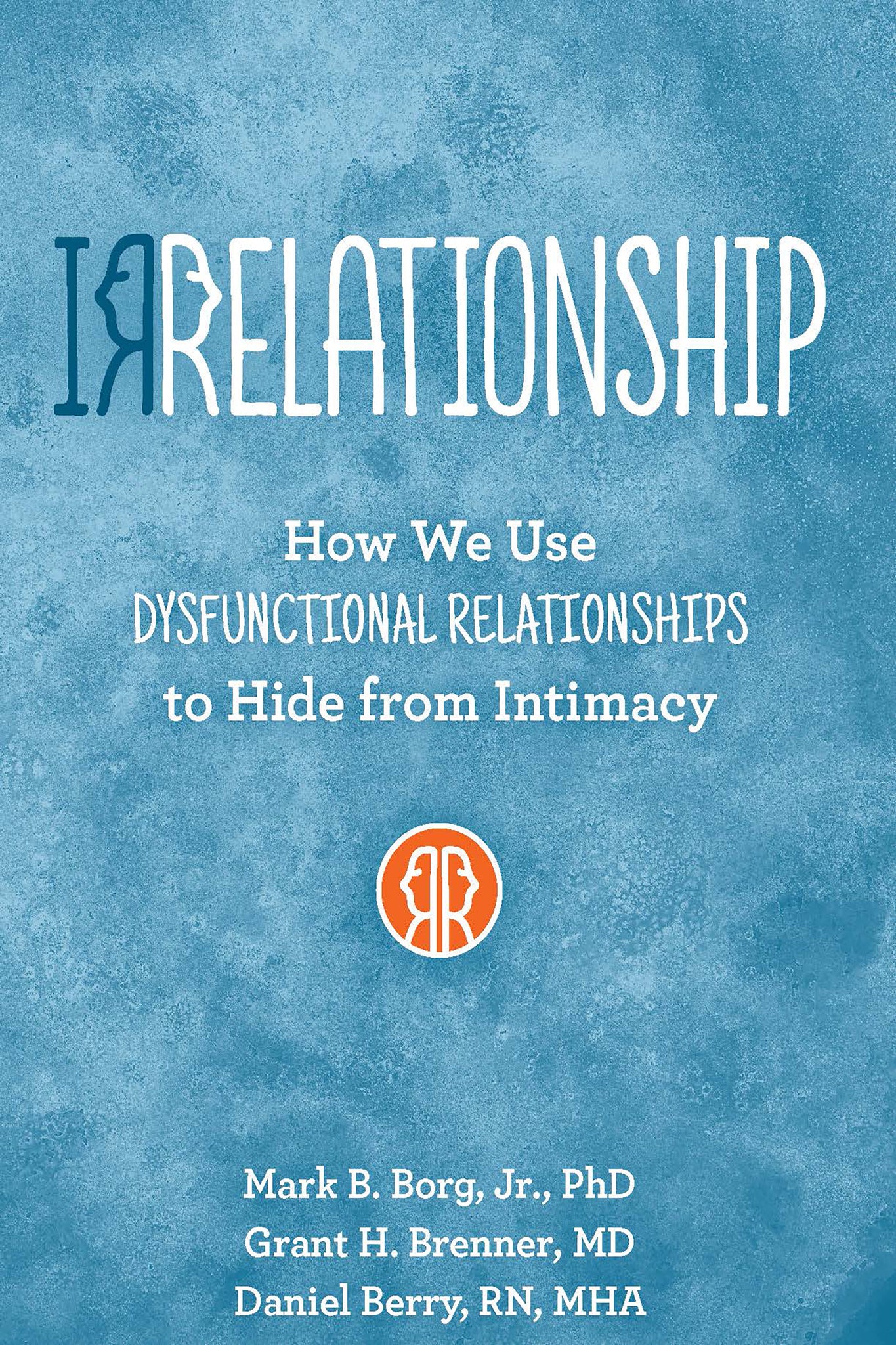
In this important and transformative guide, three experienced practitioners identify the widespread dysfunctional dynamic they call "irrelationship," a psychological defense system two people create together to protect themselves from the fear and anxiety of real intimacy in a relationship.
Drawing on their wide clinical and life experience, the authors look at the behavioral "song-and-dance" routines repeatedly performed by couples in irrelationships. Readers will find a valuable framework for understanding their challenges with action-oriented tools to help them navigate their way to fulfilling relationships.
Mark B. Borg, Jr., PhD, is a community psychologist and psychoanalyst, and a supervisor of psychotherapy at the William Alanson White Institute.
Grant H. Brenner, MD, is a board-certified psychiatrist in private practice, specializing in treating mood and anxiety disorders and the complex problems that may arise in adulthood from childhood trauma and loss.
Daniel Berry, RN, MHA, has practiced as a Registered Nurse in New York City since 1987 and has worked for almost two decades in community-based programs.


“Irrelationship crosses the frontier of “self help” into a new area which the authors call “self-other help.” The DREAM Sequence used for recovery from irrelationship is designed for couples to work together and help them reconnect with the wonderful chemistry and emotional connections that initially drew them to one another.” —Diana Kirschner, PhD, Bestselling author of Love in 90 Days
Grant H. Brenner, MD is a board-certified psychiatrist in private practice, specializing in treating mood and anxiety disorders and the complex problems that may arise in adulthood from childhood trauma and loss. He completed medical school at the University of Medicine and Dentistry of New Jersey and holds Certificates in Psychoanalysis and in Organizational Psychodynamics from the William Alanson White Institute. Dr. Brenner serves on the board of the nonprofit organization Disaster Psychiatry Outreach. He is a faculty member of the Mount Sinai Hospital and Director of the Trauma Service of the William Alanson White Institute. He is an editor of Creating Spiritual and Psychological Resilience: Integrating Care in Disaster Relief Work, and the author of several papers and book chapters related to disaster response.
Daniel Berry, RN, MHA has practiced as a Registered Nurse in New York City since 1987. He worked for almost two decades in community based programs and private care for HIV/AIDS and substance abuse populations. He is currently the Assistant Director of Nursing for Risk Management at a public hospital serving homeless and undocumented victims of street violence, drug addiction, and severe traumatic injuries. His work history includes employment at two of New York City’s major medical centers and as a visiting nurse in the homes of some of the city’s most privileged households as well as some of its most underprivileged housing projects.
Foreword
Introduction
Using this Book
Part One: Irrelationship on Stage—Your Song-and-Dance Routine
Chapter 1: Anatomy of Irrelationship
Chapter 2: Performer or Audience?
Chapter 3: Short-Circuiting the Possibility of Love
Chapter 4: The Threat of Intimacy
Part Two: Getting to Know You—Spotlight on the Performer and the Audience
Chapter 5: The Performer—Intuition Backfiring into Isolation
Chapter 6: The Audience—Resisting Care
Part Three: Backstage—The Inner Workings of Irrelationship
Chapter 7: Patterns and Pitfalls
Chapter 8: A Funny Thing Happened on the Way to Adulthood
Part Four: Raise the Curtain on Recovery—From
Irrelationship to Real Relationship
Chapter 9: Brand New World
Chapter 10: The DREAM Sequence—Step-by-Step Recovery
Chapter 11: Living the DREAM
Chapter 12: Zoe and Victor Break Free
Part Five: Encore—Cracked Open for Love
Chapter 13: Cracked Open at Last
An Invitation from the Authors
Chapter Notes
Bibliography
About the Authors