Skip to product information
1 of 1

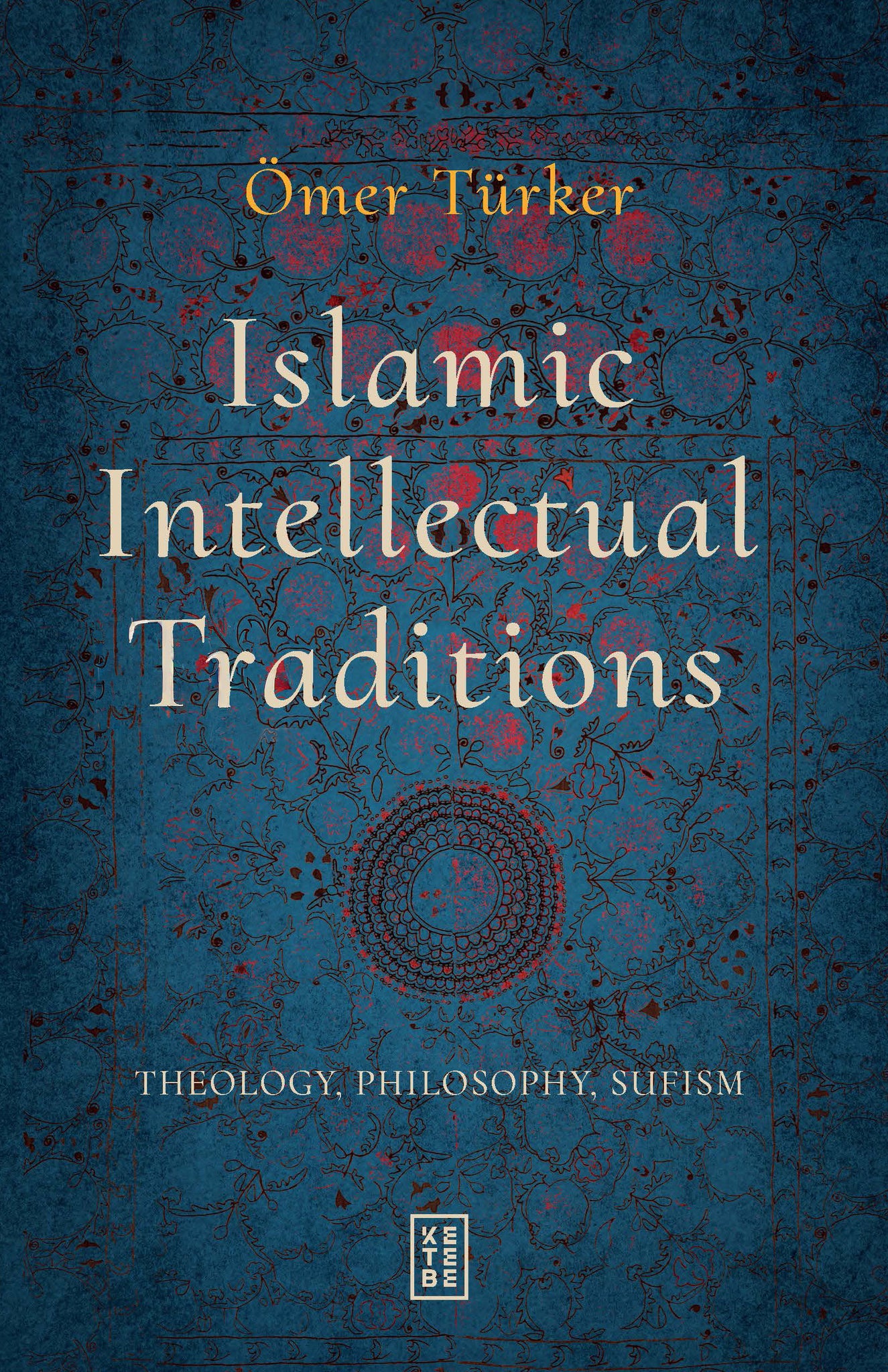
Islamic Intellectual Traditions

Regular price $16.99
Regular price $0.00 Sale price $16.99
Sold out
What if the key to our most urgent questions lies not ahead, but behind us?To truly address the challenges of the modern world, we must first rediscover the unity of meaning embedded in the great t...
Read More
  • 14 July 2026
View Product Details

What if the key to our most urgent questions lies not ahead, but behind us?


To truly address the challenges of the modern world, we must first rediscover the unity of meaning embedded in the great traditions of thought. Yet this can only begin through a deep and faithful understanding of the classical heritage.


Islamic Intellectual Traditions: Theology, Philosophy, Sufism by Professor Ömer Türker offers a compelling reappraisal of the core intellectual currents of Islamic civilisation. Traversing theology, philosophy, and Sufism, the book explores enduring questions of existence, the cosmos, knowledge, the human self, and the relationship between God, the universe, and humanity.


With clarity and depth, Türker reveals how these traditions emerged, how they interacted, and what they still have to offer. Rather than approaching the past as a museum of ideas, he presents it as a living legacy—one that holds transformative insights for those seeking orientation in an age of fragmentation.


In this important work, Türker explores the central questions that have defined centuries of Muslim intellectual inquiry — existence and ontology, the universe and cosmology, knowledge and epistemology, the nature of the human being, and the relationship between God and the universe. By examining the foundational principles of these traditions, he offers both a clear understanding of their historical development and a thoughtful reflection on their relevance for contemporary thought. Bringing together the theological, philosophical, and Sufi traditions as interconnected intellectual languages expressing a unified vision of reality, this impressive and practical handbook draws upon the author’s deep understanding of the classical sciences and their metaphysical foundations. Written with clarity and precision, the work speaks both to the interested reader and the specialist, offering a synthetic understanding of one of the richest intellectual heritages in world history.
files/i.png Icon
Price: $16.99
Pages: 185
Publisher: Kube Publishing Ltd
Imprint: Ketebe Publishing
Publication Date: 14 July 2026
Trim Size: 8.30 X 5.30 in
ISBN: 9786255888808
Format: Paperback
BISACs: RELIGION / Islam / Sufi, Islamic groups: Sufis, RELIGION / Islam / Theology, PHILOSOPHY / Religious, Theology, Philosophy & Religion, Islamic & Arab philosophy
REVIEWS Icon
This impressive and practical handbook provides a synthetic understanding of the Islamic theological, philosophical, and Sufi traditions. These three are historically and intellectually posited, embodying each a particular "language" by which to express a unitive view of Reality. Such synthesis is certainly only made possible by the author's thorough understanding of the underlying order of the sciences anchored in metaphysics. The ability to simultaneously address the intelligent and interested reader, as well as the specialist, is one of the remarkable achievements of this work. - Dr Karim Lahham (Senior Research Fellow, Tabah Foundation)
He was born in 1975 in Keskin, Kırıkkale. He graduated from Uludağ University Faculty of Theology (1997). He received his master's degree from Sakarya University Institute of Social Sciences with his thesis titled “Muqātil b. Suleiman's Understanding of Tawil” (1999) and his doctorate degree from Marmara University Institute of Social Sciences with his thesis titled “Sayyid Sharīf al-Jurjānī's Understanding of Tawil: Metaphysical, Logical and Linguistic Foundations of Interpretation” (2006). In 2012, he became an associate professor and in 2017 he became a professor. He is currently a faculty member at Marmara University Faculty of Theology.
Translator's Notes

Foreword 

Introduction

The Initial Problem Under Consideration: The Relation Between Reason and Revelation


Section 1: The Theological Tradition 

Chapter 1: Reason in the Theological Tradition 

Chapter 2: Cosmology in the Theological Tradition 

Chapter 3: Epistemology in the Theological Tradition

Chapter 4: The Theologians' Classification of Existent Entities and the Establishment of the Relation Between God and the Cosmos

Chapter 5: The Theological Tradition - Its Strengths and Limitations 


Section 2: The Philosophical Tradition

Chapter 6: Reason in the Philosophical Tradition

Chapter 7: Ontology

Chapter 8: Epistemology

Chapter 9: Cosmology in the Philosophical Traditions

Chapter 10: Foundational Principles of the Tradition of Sciences in the Ancient World

Chapter 11: The Relation Between God and the Cosmos in the Philosophical Tradition 

Chapter 12: The Philosophical Traditions


Section 3: The Sufi Tradition

Chapter 13: The Understanding of the Human Being in the Sufi Tradition

Chapter 14: Ontology - The Notion of Existence in the Sufi Tradition

Chapter 15: Cosmology in the Sufi Tradition

Chapter 16: The Sufi Tradition - Its Strengths and Limitations


Conclusion

Critical Sources of Each Tradition