


Some error occured while loading the Quick View. Please close the Quick View and try reloading the page.
Winner of an iParenting Media Award!
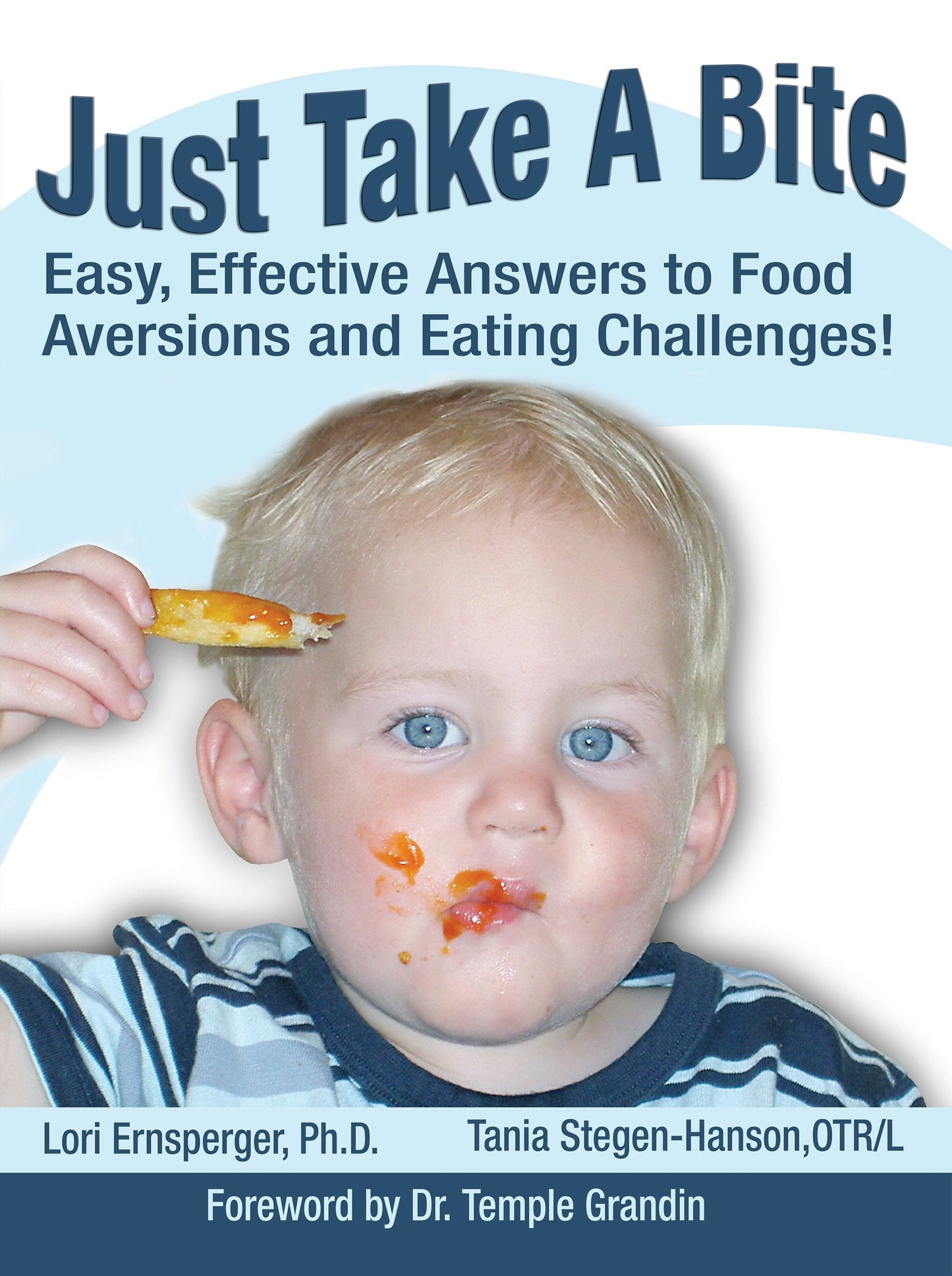
Is your child a picky eater, or a full-fledged resistant eater? Does he or she eat only 3-20 foods, refusing all others, eat from only one food group, or gag, tantrum, or become anxious if you introduce new foods? If so, you have a resistant eater. Learn the possible causes, when you need professional help, and how to deal with the behavior at home. Learn why “don’t play with your food” and “clean your plate”—along with many other old saws—are just plain wrong. And who said you have to eat dessert last? Get ready to have some stereotypes shattered!
Helpful chapters include:
- Who Are Resistant eaters?
- Oral-Motor Development
- Environmental and Behavioral Factors Contributing to Problems with Eating
- Designing and Implementing a Comprehensive Treatment Plan
- Stages of Sensory Development for Eating
- A Recipe for Success
And more!


"This talented team has a blockbuster book . . . as they offer a positive program to help those who are struggling at least three times a day with the serious problem of food aversion and food sensitivity."
Temple Grandin, Ph.D.
Foreword
Acknowledgements
Introduction
CHAPTER 1 - Who Are Resistant eaters?
Identifying a Resistant Eater
Common Characteristic of a Resistant Eater
Food Neophobia Scale
Other Assessment Tools
CHAPTER 2 - Oral-Motor Development
In Utero
Newborns: 0-3 Months
4-6 Months
7-9 Months
10-12 Month-Old
13-15 Month-Old
16-18 Month-Old
19-24 Month-Old
25-26 Month-Old
Food Texture and Eating Skills
CHAPTER 3 - Environmental and Behavioral Factors Contributing to Problems with Eating
Food Neophobia
Environmental Factors and Eating
Cultural Roadblocks
Resistant Eaters and Developmental Disabilities
CHAPTER 4 - Sensory-Based and Motor-Based Problems Affecting the Resistant Eater
Sensory Integration Dysfunction
Proprioceptive Sensory Information
Vestibular Sensory Information CONTENTS
Tactile Sensory Information
Gustatory Sensory Information (Taste)
Olfactory Sensory Information (Smell)
Visual Sensory Information
Auditory Sensory Information (Hearing)
Modulation
How to Use and Organize the Information We Have About the Resistant Eater
CHAPTER 5 - Motor-Based Eating Problems vs. Sensory-Based Eating Problems
Reflux and Other Gastrointestinal Problems
Abnormal Sucking Pattern
Nasal Reflux
Aspiration
Gagging
Drooling
Tooth Grinding
Limited Upper-Lip Movement
Immature Spoon Feeding Skills
Immature Cup-Drinking Skills
Immature biting and Chewing Skills
CHAPTER 6 - Designing and Implementing a Comprehensive Treatment Plan
Guidelines for Writing a Treatment Plan
CHAPTER 7 - Part 1: Environmental Controls
Snack and Mealtime Schedules
Guidelines for Creating the Meal/Snack Schedules
The Mealtime Setting
Guidelines for Selecting a Setting
Create a Supportive and Nurturing Environment
Guidelines for Creating a Supportive Mealtime Environment
Portion Size and Food Selection
Guidelines for Implementing Appropriate Portion Sizes
Food Selection
Guidelines for Food Selection
Food Jags
Guidelines for Addressing Food Jags
Appropriate Behavior During the Mealtime
Guidelines for Implementing Appropriate Mealtime Behaviors
CHAPTER 8 - Part 2: Gastrointestinal, Physical and Oral-Motor Development
Gastrointestinal Comfort
Physical Development
The Upper Body
The Lower Body
Postural Control Activities
Goals for Postural Control
Physical Development Lessons 1-5
Oral-Motor Activities
Goals for Oral-Motor Programs
Oral-Motor Lessons 1-8
CHAPTER 9 - Part 3: Stages of Sensory Development for Eating
Guidelines for Implementing the Stages for Sensory Development
Stage One: Acceptance
Guidelines for Implementing Stage One-Acceptance
Stage One-Acceptance Lessons 1-8
Stage Two: Touch
Guidelines for Implementing Stage Two-Touch
Stage Two-Touch Lessons 1-6
Stage Three: Smell
Guidelines for Implementing Stage Three-Smell
Stage Three-Smell Lessons 1-5
Stage Four: Taste
Guidelines for Implementing Stage Four-Taste
Stage Four-Taste Lessons 1-7
Stage Five: Eating New Foods
CHAPTER 10 - A Recipe for Success
Cultural Factors
Medical Issues
Older Children
Gluten, Casein and Other Allergy-Related Diets
Appendix
Cue Card Applications
References