


Some error occured while loading the Quick View. Please close the Quick View and try reloading the page.
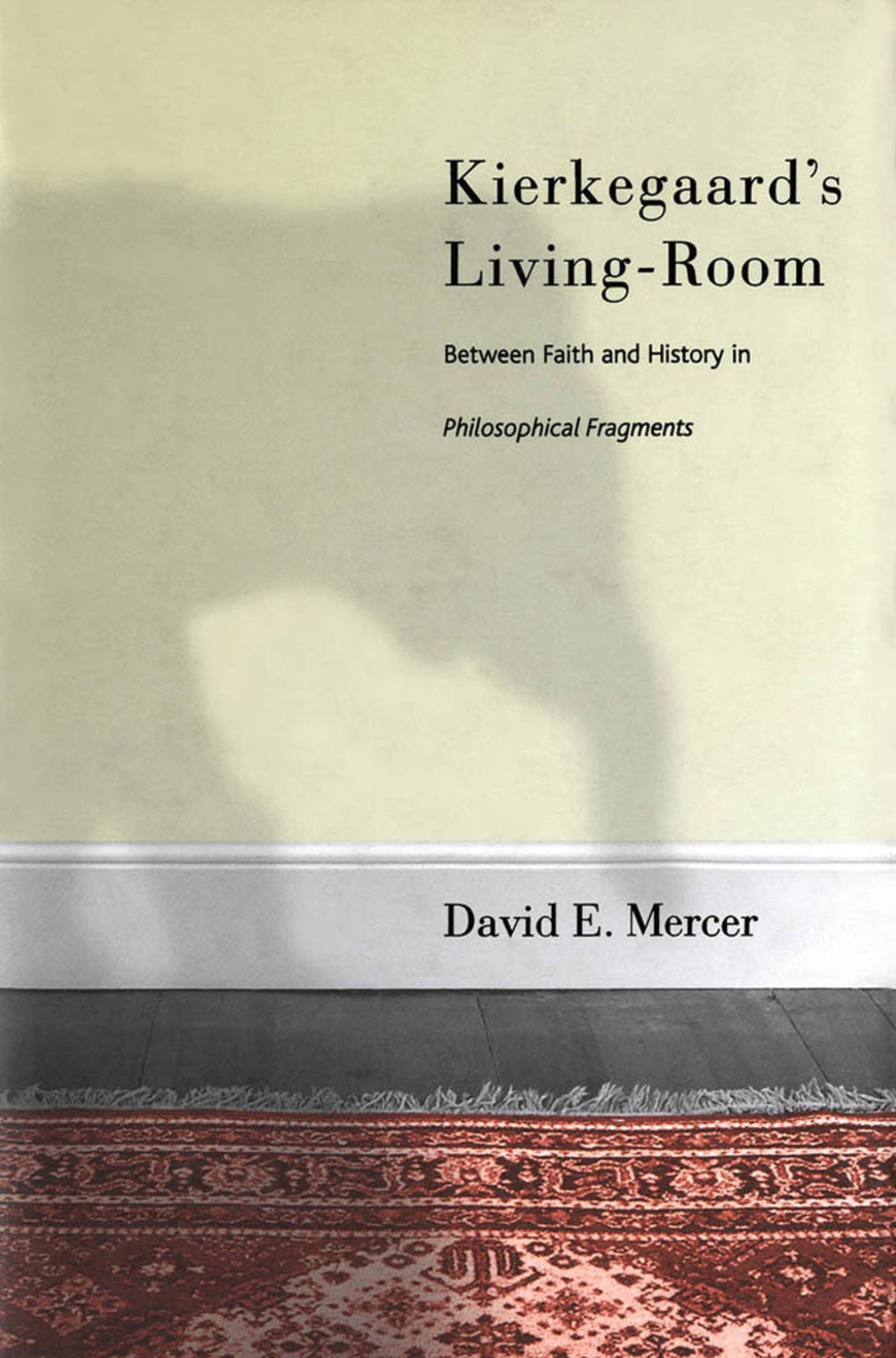
He shows us that Kierkegaard's expressed intent is to provide readers with the opportunity to choose or reject Christ. He explores the question of who Kierkegaard understands Jesus to be and why he believes that faith or history alone cannot answer this question, claiming that history is meaningful only when it is understood from the perspective of "sacred history." Kierkegaard's Livingroom explores what "sacred history" is, why it is so important to us, and why it depends on an incarnate God. Mercer argues that Kierkegaard is not tilting at windmills but responding to Hegel's view of history and Kant's view of faith, showing that Kierkegaard has much to contribute to the debates on liberalism and post-modernism.

Price: $110.00
Publisher: McGill-Queen's University Press
Imprint: McGill-Queen's University Press
Publication Date:
25 January 2001
ISBN: 9780773568747
Format: eBook
BISACs:
PHILOSOPHY / History & Surveys / Modern

"An important book that adds to the understanding of Kierkegaard." Lee Barrett, Theology, Lancaster Theology Seminar
"A solid exposition of the Fragments. The clarity and soundness in its critical exposition of a central theme and related ones in Kierkegaard corpus is particularly interesting." Abrahim Khan, Religious Studies, Trinity College
"An important book that adds to the understanding of Kierkegaard." Lee Barrett, Theology, Lancaster Theology Seminar "A solid exposition of the Fragments. The clarity and soundness in its critical exposition of a central theme and related ones in Kierkegaard corpus is particularly interesting." Abrahim Khan, Religious Studies, Trinity College