


Some error occured while loading the Quick View. Please close the Quick View and try reloading the page.
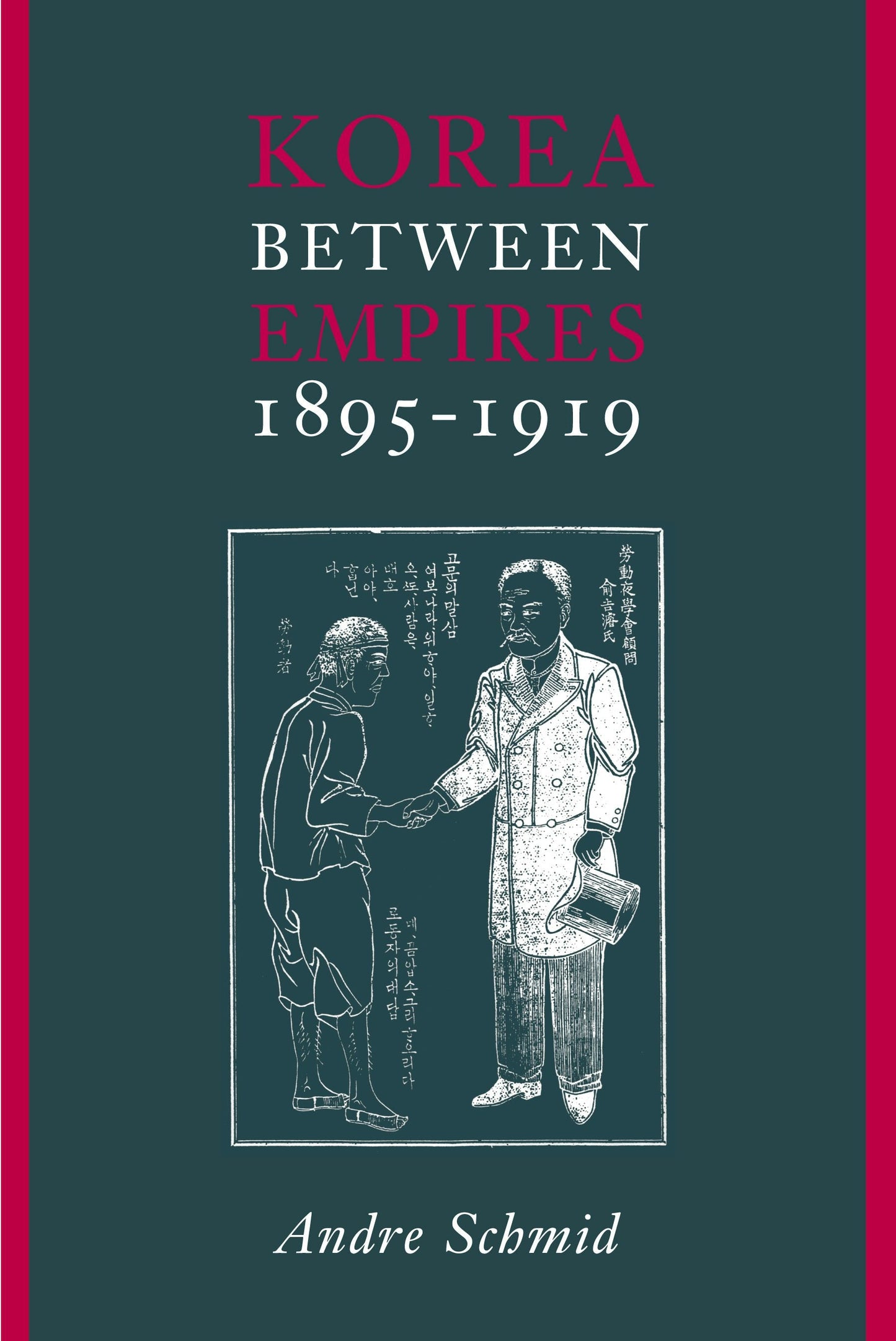
Korea Between Empires chronicles the development of a Korean national consciousness. It focuses on two critical periods in Korean history and asks how key concepts and symbols were created and integrated into political programs to create an original Korean understanding of national identity, the nation-state, and nationalism. Looking at the often-ignored questions of representation, narrative, and rhetoric in the construction of public sentiment, Andre Schmid traces the genealogies of cultural assumptions and linguistic turns evident in Korea's major newspapers during the social and political upheavals of the late nineteenth and early twentieth centuries.
Newspapers were the primary location for the re-imagining of the nation, enabling readers to move away from the conceptual framework inherited from a Confucian and dynastic past toward a nationalist vision that was deeply rooted in global ideologies of capitalist modernity. As producers and disseminators of knowledge about the nation, newspapers mediated perceptions of Korea's precarious place amid Chinese and Japanese colonial ambitions and were vitally important to the rise of a nationalist movement in Korea.


Introduction: A Monumental Story
1: The Universalizing Winds of Civilization
2: Decentering the Middle Kingdom and Realigning the East
3: Engaging a Civilizing Japan
4: Spirit, History, and Legitimacy
5: Narrating the Ethnic Nation
6: Peninsular Boundaries
7: Beyond the Peninsula
Epilogue