


Some error occured while loading the Quick View. Please close the Quick View and try reloading the page.
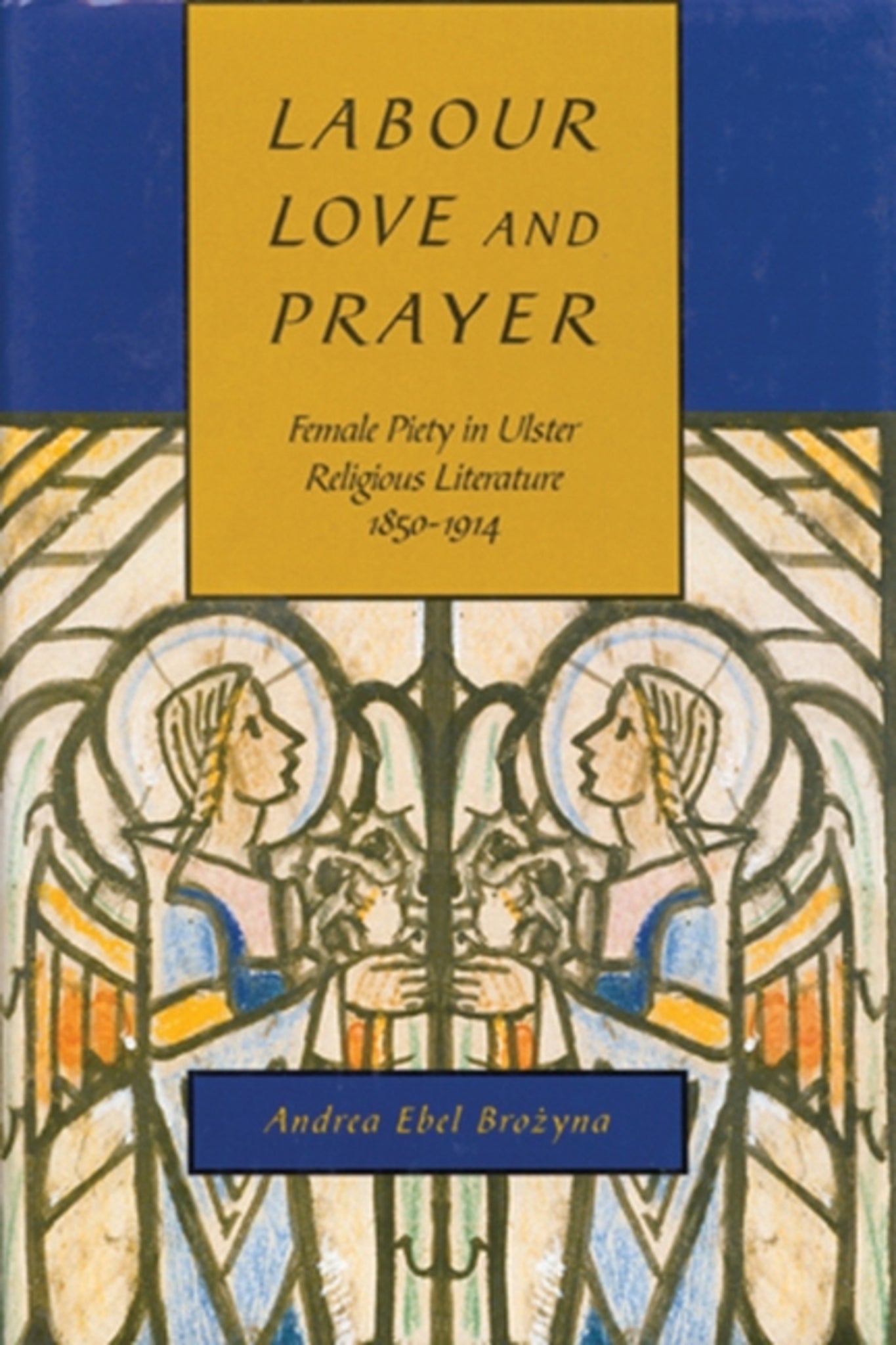
Labour, Love, and Prayer explores the construction of female stereotypes during a period of mounting religious tension in Ireland by examining the central role played by Protestant and Catholic women in establishing the religious faith of their children and, by extension, the future of their respective communities. Andrea Ebel Brozyna compares ideas of faith and family in both cultures, highlighting the remarkable similarities in their views and each group's stubborn refusal to acknowledge them.
Brozyna argues that Catholics and Protestants shared very similar views of Christian womanhood. Both lauded the influence of the virtuous Christian woman, used the same female role models from the Bible, and saw the home as the locus of the construction of female piety. Yet each group castigated the other for having antifemale values. Protestants developed the slovenly, drunken "Biddy" as a stereotype of Catholic women and Catholics portrayed Protestant devotional and family life as cold and arid. Observers of present-day Northern Ireland will find these historical contrasts of immediate relevance.
An interesting new look at the Irish problem, Love, Labour, and Prayer makes a valuable contribution to the histories of women, Ireland, and religion.

