


Some error occured while loading the Quick View. Please close the Quick View and try reloading the page.
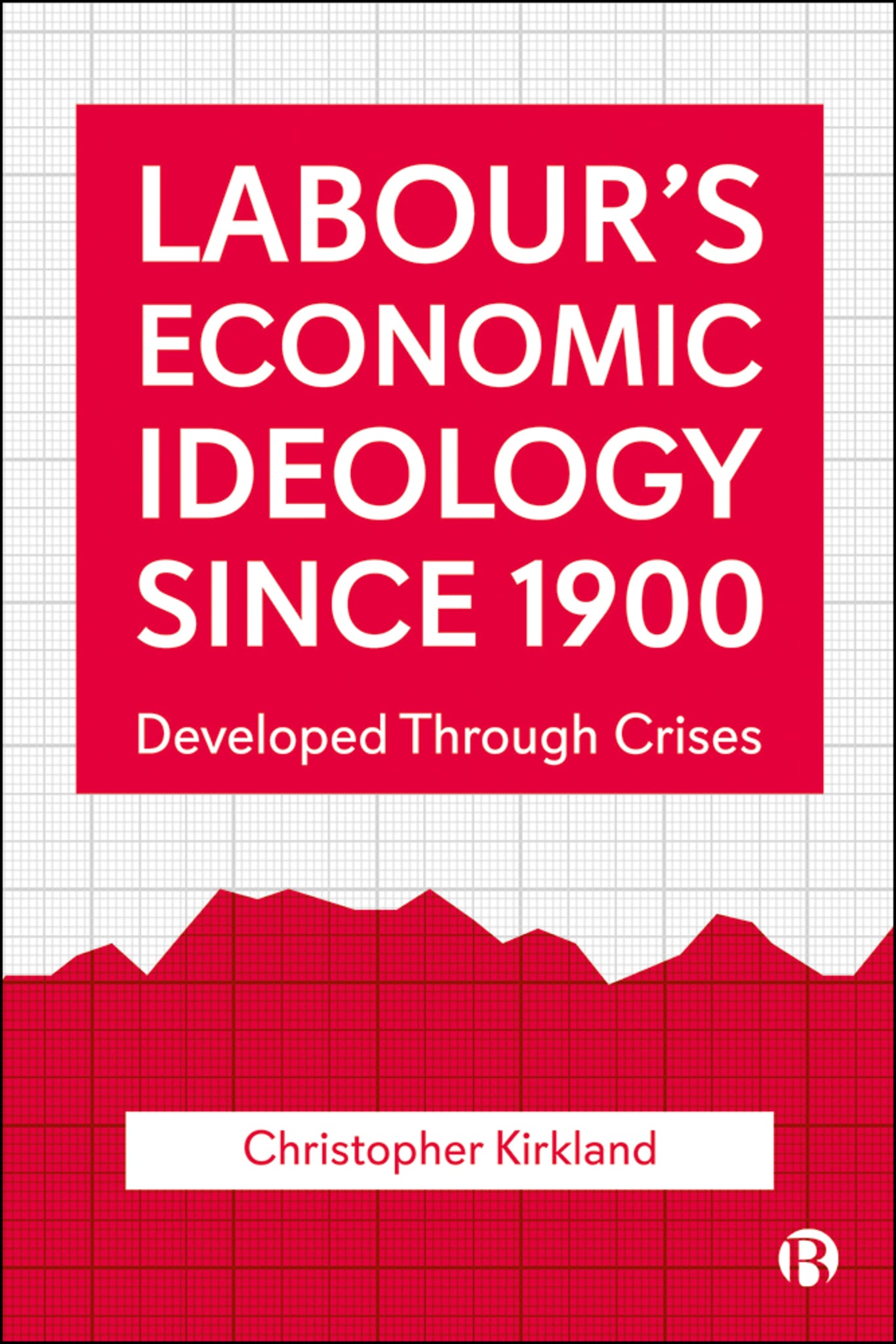
This book traces the economic ideology of the UK Labour Party from its origins to the current day. Through its analysis, the book emphasises key crises, including the 1926 General Strike, the 1931 Great Depression, the 1979 Winter of Discontent and the 2007/2008 economic crisis.
In analysing this history, the ideology of the Labour Party is examined through four core themes:
• the party’s definition of socialism;
• the role of the state in economic decision making;
• the party’s understanding of inequalities; and
• its relationship with the trade union movement.
The result is a systematic exploration of the drivers and key ideas behind the Labour Party’s economic ideology. In demonstrating how crises have affected the party’s economic policy, the book presents a historical analysis of the party’s evolution since its formation and offers insights into how future changes may occur.


Chapter 1: Introduction: The Labour Party’s Economic Policy and Crises
Chapter 2: Taff Vale and the First World War
Chapter 3: Governing in Hard Times: The Second Labour Government and Need for a Coherent Economic Policy
Chapter 4: The Second World War, Reconstruction and Revisionism
Chapter 5: Testing the Labour–Unions Relationship
Chapter 6: The Advent of New Labour
Chapter 7: New Labour and the Global Financial Crisis
Chapter 8: Electoral Revision
Chapter 9: Conclusion