


Some error occured while loading the Quick View. Please close the Quick View and try reloading the page.
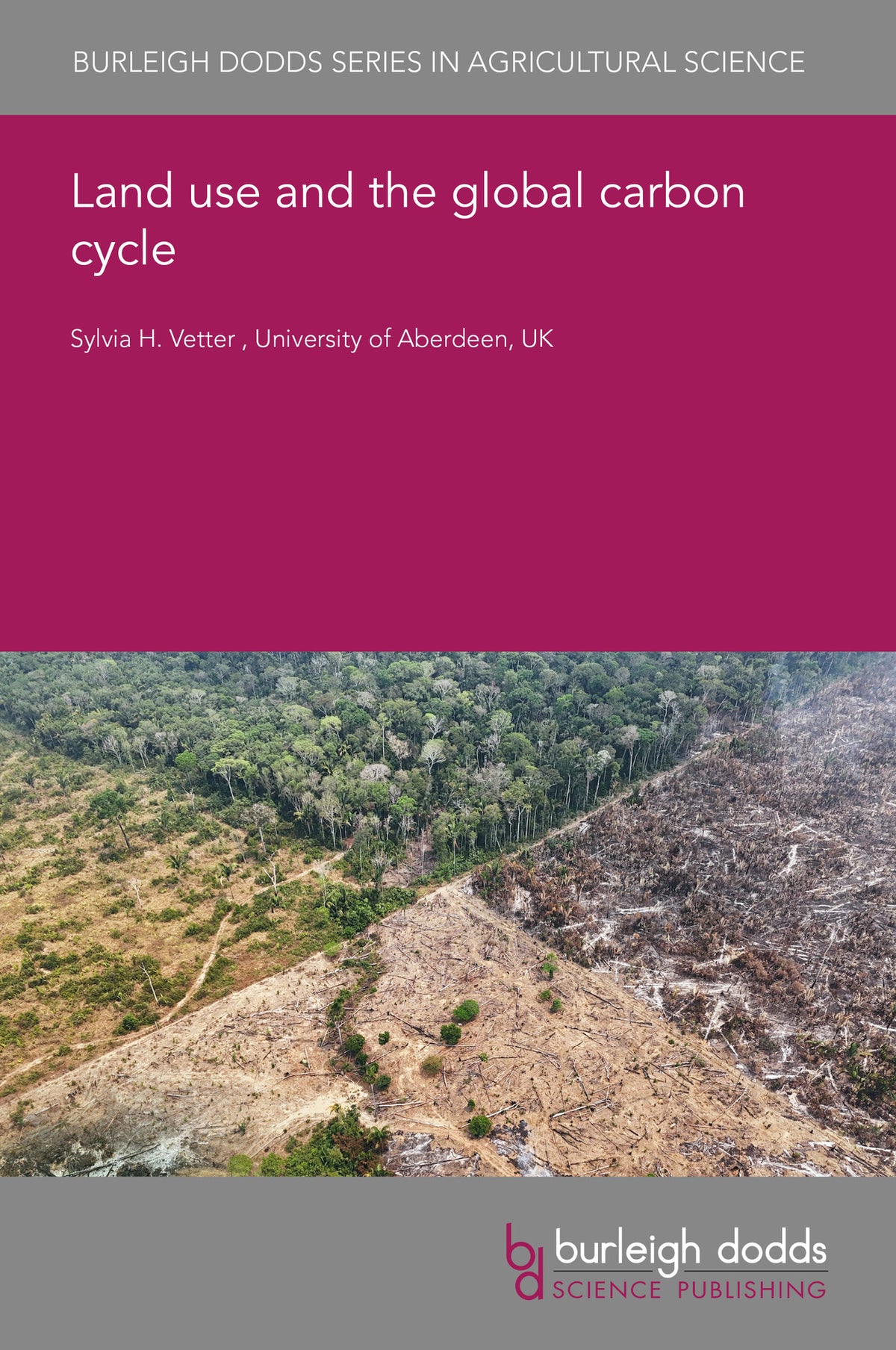
Land use change and agricultural expansion are major drivers of greenhouse gas emissions and biodiversity loss, threatening climate stability and ecosystem resilience. At the same time, land systems offer some of the most promising opportunities for carbon sequestration and climate mitigation. This chapter explores the role of terrestrial ecosystems (forests, grasslands, croplands, and permafrost) in the global carbon cycle, examining carbon stocks and fluxes. Land-based mitigation strategies are assessed, including soil carbon sequestration, biochar, reforestation, and agroecological practices. Considering current scientific understanding, their technical potentials, trade-offs, and regional applications are evaluated. The chapter also addresses challenges in implementation, such as measurement and verification, land tenure, climate finance, and equity. Integrating biophysical science with policy insights highlights the critical role of land in achieving global climate goals and net zero.


- 1 Introduction
- 2 Forests
- 3 Croplands
- 4 Grasslands
- 5 Peatlands and wetlands
- 6 Restoration of degraded land
- 7 Permafrost soils
- 8 Pathway to net zero
- 9 Conclusion and future trends in research
- 10 Where to look for further information
- 11 References