


Some error occured while loading the Quick View. Please close the Quick View and try reloading the page.
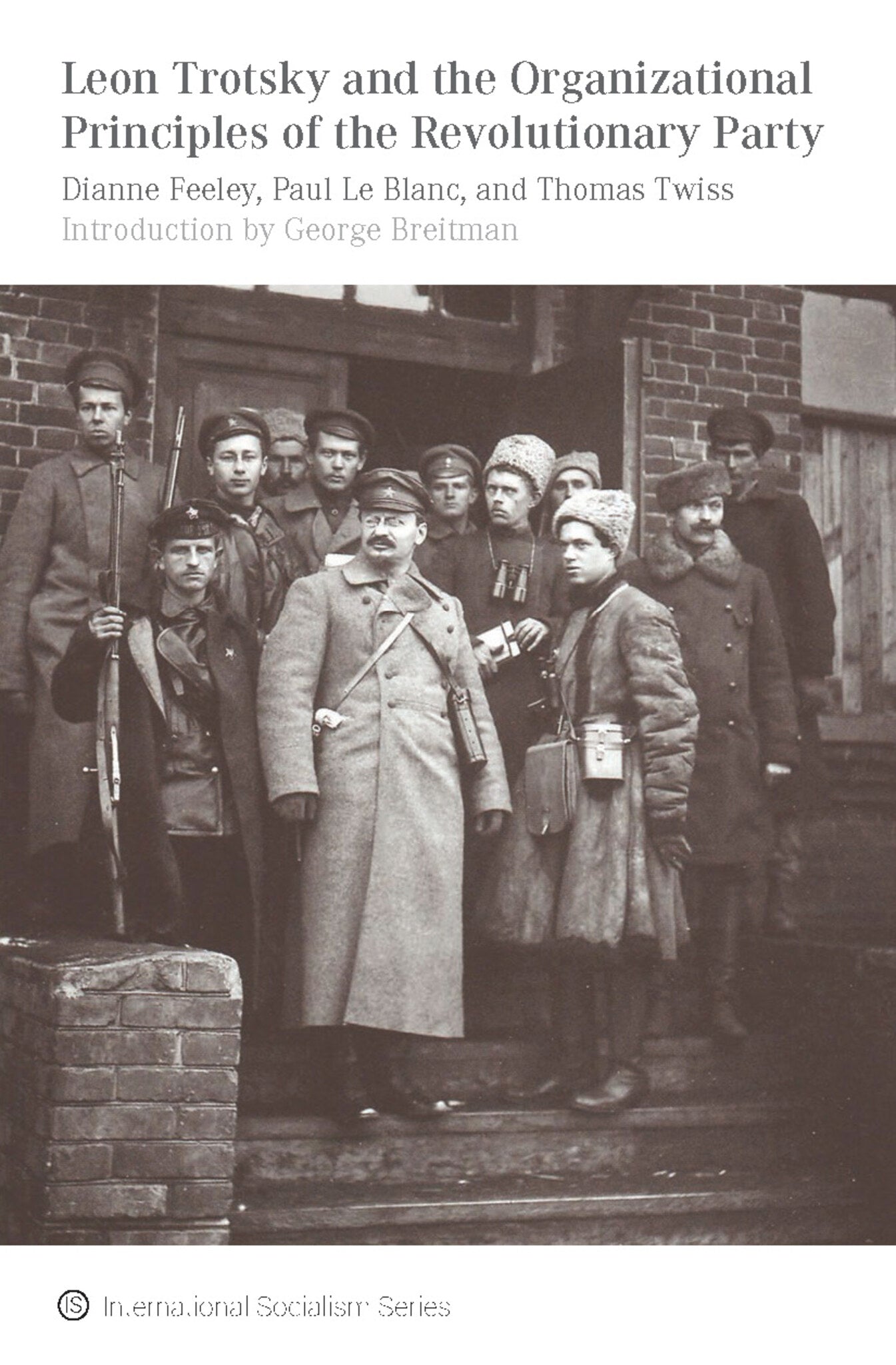
This is the first comprehensive examination of Leon Trotsky's view on revolutionary organizational principles, and the dynamic interplay of democratic initiative and principled centralism. Mostly in his own words, these writings are grounded in Trotsky's experience in Russia's revolutionary movement, as a leader of the International Left Opposition and Fourth International.

Price: $15.95
Pages: 128
Publisher: Haymarket Books
Imprint: Haymarket Books
Series: International Socialism
Publication Date:
04 November 2014
Trim Size: 7.50 X 5.25 in
ISBN: 9781608463961
Format: Paperback
BISACs:
POLITICAL SCIENCE / Political Ideologies / Communism, Post-Communism & Socialism, Political ideologies and movements, POLITICAL SCIENCE / Political Economy, POLITICAL SCIENCE / Political Process / Political Parties, SOCIAL SCIENCE / Social Classes & Economic Disparity, Political economy, Political parties and party platforms, Social classes

Paul Le Blanc is author of a number of widely-read studies, including Lenin and the Revolutionary Party, and Marx, Lenin and the Revolutionary Experience. With Michael Yates he has written the widely-acclaimed A Freedom Budget for All Americans. He has co-edited a selection of Leon Trotsky’s Writings in Exile.
Prefatory Note from the Authors (2010) . . . . . . . . . . . . . . . . . . . . . . . . . . . . . . . . . . . . . . . . . iii
Introductory Note by George Breitman . . . . . . . . . . . . . . . . . . . . . . . . . . . . . . . . . . . . . . . . . . vi
Leon Trotsky and the Organizational Principles of the Revolutionary Party . . . . . . . . . . . . . . . 1
I. The Revolutionary Party: Its Function and Consequent Norms . . . . . . . . . . . . . . . . . . . . . . . . 2
II. The Challenge of the Left Opposition . . . . . . . . . . . . . . . . . . . . . . . . . . . . . . . . . . . . . . . . . . . 6
1. Function of Democracy in Democratic Centralism . . . . . . . . . . . . . . . . . . . . . . . . . . . . . . . 9
a) The Responsibility of the Ranks . . . . . . . . . . . . . . . . . . . . . . . . . . . . . . . . . . . . . . . . . 9
b) How the Party Builds Itself . . . . . . . . . . . . . . . . . . . . . . . . . . . . . . . . . . . . . . . . . . . . . 10
c) The Responsibility of the Leadership . . . . . . . . . . . . . . . . . . . . . . . . . . . . . . . . . . . . . 12
2. The Bureaucratic Mode of Functioning . . . . . . . . . . . . . . . . . . . . . . . . . . . . . . . . . . . . . . . 13
a) What Were the Objective Reasons for the Rise of the Bureaucracy? . . . . . . . . . . . 14
b) How the Bureaucratic Apparatus Functioned . . . . . . . . . . . . . . . . . . . . . . . . . . . . . . 17
3. Inner-Party Groups and Party Norms . . . . . . . . . . . . . . . . . . . . . . . . . . . . . . . . . . . . . . . . . . 22
4. The Program to Restore Party Democracy . . . . . . . . . . . . . . . . . . . . . . . . . . . . . . . . . . . . . 23
III. Toward the World Party of Socialist Revolution . . . . . . . . . . . . . . . . . . . . . . . . . . . . . . . . . . 27
1.The Integrity of the Revolutionary Program . . . . . . . . . . . . . . . . . . . . . . . . . . . . . . . . . . . .28
2.Functions of Party Democracy . . . . . . . . . . . . . . . . . . . . . . . . . . . . . . . . . . . . . . . . . . . . . .30
3.Stressing Centralism . . . . . . . . . . . . . . . . . . . . . . . . . . . . . . . . . . . . . . . . . . . . . . . . . . . . . .33
4.The Crisis of the French Section . . . . . . . . . . . . . . . . . . . . . . . . . . . . . . . . . . . . . . . . . . . . .37
a)Principled Politics . . . . . . . . . . . . . . . . . . . . . . . . . . . . . . . . . . . . . . . . . . . . . . . . . . . . . 38
b)Democratic Centralism . . . . . . . . . . . . . . . . . . . . . . . . . . . . . . . . . . . . . . . . . . . . . . . . . 39
c)Party Building and Responsibilities of Leadership . . . . . . . . . . . . . . . . . . . . . . . . . . . 40
d)The Turn to Workers and Mass Struggles . . . . . . . . . . . . . . . . . . . . . . . . . . . . . . . . . . 42
5.Crises of the American Section . . . . . . . . . . . . . . . . . . . . . . . . . . . . . . . . . . . . . . . . . . . . . .43
a)Averting an unprincipled Split . . . . . . . . . . . . . . . . . . . . . . . . . . . . . . . . . . . . . . . . . . . 43
b)Against Freelancing . . . . . . . . . . . . . . . . . . . . . . . . . . . . . . . . . . . . . . . . . . . . . . . . . . . . 48
c)The Sectarian Opposition . . . . . . . . . . . . . . . . . . . . . . . . . . . . . . . . .
Introductory Note by George Breitman . . . . . . . . . . . . . . . . . . . . . . . . . . . . . . . . . . . . . . . . . . vi
Leon Trotsky and the Organizational Principles of the Revolutionary Party . . . . . . . . . . . . . . . 1
I. The Revolutionary Party: Its Function and Consequent Norms . . . . . . . . . . . . . . . . . . . . . . . . 2
II. The Challenge of the Left Opposition . . . . . . . . . . . . . . . . . . . . . . . . . . . . . . . . . . . . . . . . . . . 6
1. Function of Democracy in Democratic Centralism . . . . . . . . . . . . . . . . . . . . . . . . . . . . . . . 9
a) The Responsibility of the Ranks . . . . . . . . . . . . . . . . . . . . . . . . . . . . . . . . . . . . . . . . . 9
b) How the Party Builds Itself . . . . . . . . . . . . . . . . . . . . . . . . . . . . . . . . . . . . . . . . . . . . . 10
c) The Responsibility of the Leadership . . . . . . . . . . . . . . . . . . . . . . . . . . . . . . . . . . . . . 12
2. The Bureaucratic Mode of Functioning . . . . . . . . . . . . . . . . . . . . . . . . . . . . . . . . . . . . . . . 13
a) What Were the Objective Reasons for the Rise of the Bureaucracy? . . . . . . . . . . . 14
b) How the Bureaucratic Apparatus Functioned . . . . . . . . . . . . . . . . . . . . . . . . . . . . . . 17
3. Inner-Party Groups and Party Norms . . . . . . . . . . . . . . . . . . . . . . . . . . . . . . . . . . . . . . . . . . 22
4. The Program to Restore Party Democracy . . . . . . . . . . . . . . . . . . . . . . . . . . . . . . . . . . . . . 23
III. Toward the World Party of Socialist Revolution . . . . . . . . . . . . . . . . . . . . . . . . . . . . . . . . . . 27
1.The Integrity of the Revolutionary Program . . . . . . . . . . . . . . . . . . . . . . . . . . . . . . . . . . . .28
2.Functions of Party Democracy . . . . . . . . . . . . . . . . . . . . . . . . . . . . . . . . . . . . . . . . . . . . . .30
3.Stressing Centralism . . . . . . . . . . . . . . . . . . . . . . . . . . . . . . . . . . . . . . . . . . . . . . . . . . . . . .33
4.The Crisis of the French Section . . . . . . . . . . . . . . . . . . . . . . . . . . . . . . . . . . . . . . . . . . . . .37
a)Principled Politics . . . . . . . . . . . . . . . . . . . . . . . . . . . . . . . . . . . . . . . . . . . . . . . . . . . . . 38
b)Democratic Centralism . . . . . . . . . . . . . . . . . . . . . . . . . . . . . . . . . . . . . . . . . . . . . . . . . 39
c)Party Building and Responsibilities of Leadership . . . . . . . . . . . . . . . . . . . . . . . . . . . 40
d)The Turn to Workers and Mass Struggles . . . . . . . . . . . . . . . . . . . . . . . . . . . . . . . . . . 42
5.Crises of the American Section . . . . . . . . . . . . . . . . . . . . . . . . . . . . . . . . . . . . . . . . . . . . . .43
a)Averting an unprincipled Split . . . . . . . . . . . . . . . . . . . . . . . . . . . . . . . . . . . . . . . . . . . 43
b)Against Freelancing . . . . . . . . . . . . . . . . . . . . . . . . . . . . . . . . . . . . . . . . . . . . . . . . . . . . 48
c)The Sectarian Opposition . . . . . . . . . . . . . . . . . . . . . . . . . . . . . . . . .