


Some error occured while loading the Quick View. Please close the Quick View and try reloading the page.
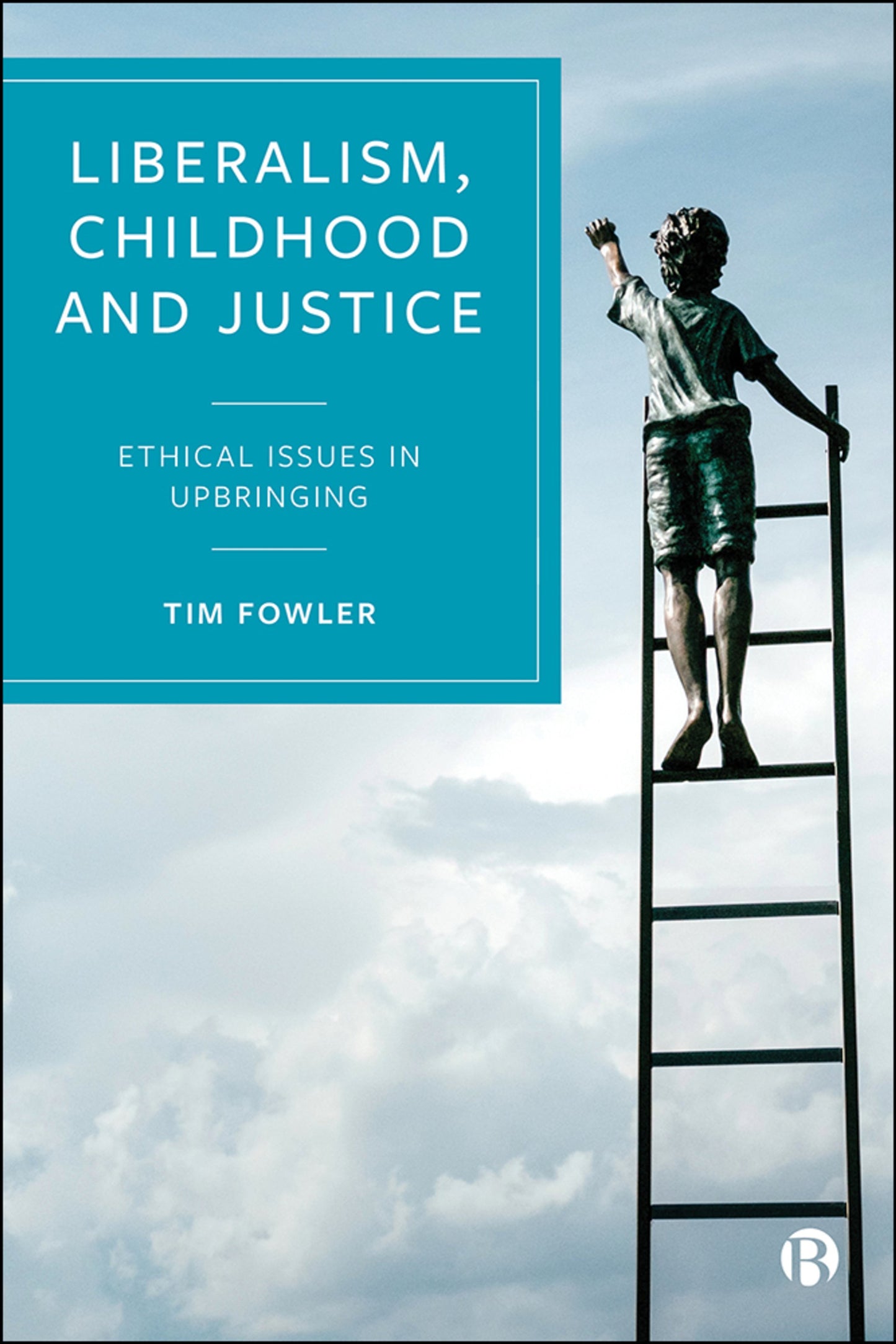
This radical and critical account of family justice explores children’s wellbeing and ethical issues in children’s upbringing through the lens of political philosophy. Fowler reconceptualises what constitutes children’s wellbeing, the duties of parents to promote children’s wellbeing and the collective obligations of state and society to ensure that children’s best interests are advanced and protected.
Arguing that the wellbeing of children should not be measured in terms of subjective happiness but rather by them coming to hold an appropriate set of values and aspirations, Fowler challenges the dominant liberal model of parenting and calls instead for all citizens to take greater responsibility for guaranteeing that children lead flourishing lives.


PART I: Children and Moral Theory
1 The Aims of a Moral Theory
2 What is a Child?
PART II: A Distributive Theory for Children
3 The Currency of Children’s Justice
4 Welfare across the Lifespan
5 Priority, Not Equality, of Welfare
PART III: Perfectionism and Upbringing
6 The Case against Neutrality
7 Understanding Perfectionism
8 The Implications of Perfectionism
PART IV: The Rights and Duties of Parents
9 The Project View of Parenting
10 Distributing Parental Duties
11 Perfectionism and Parenting
12 Beyond Parents: Collective Duties to Children
PART V: Distributive Implications
13 Children’s Distributive Outcomes: Equality of Opportunity?
14 Paying for Childcare
Conclusion