Skip to product information
1 of 1

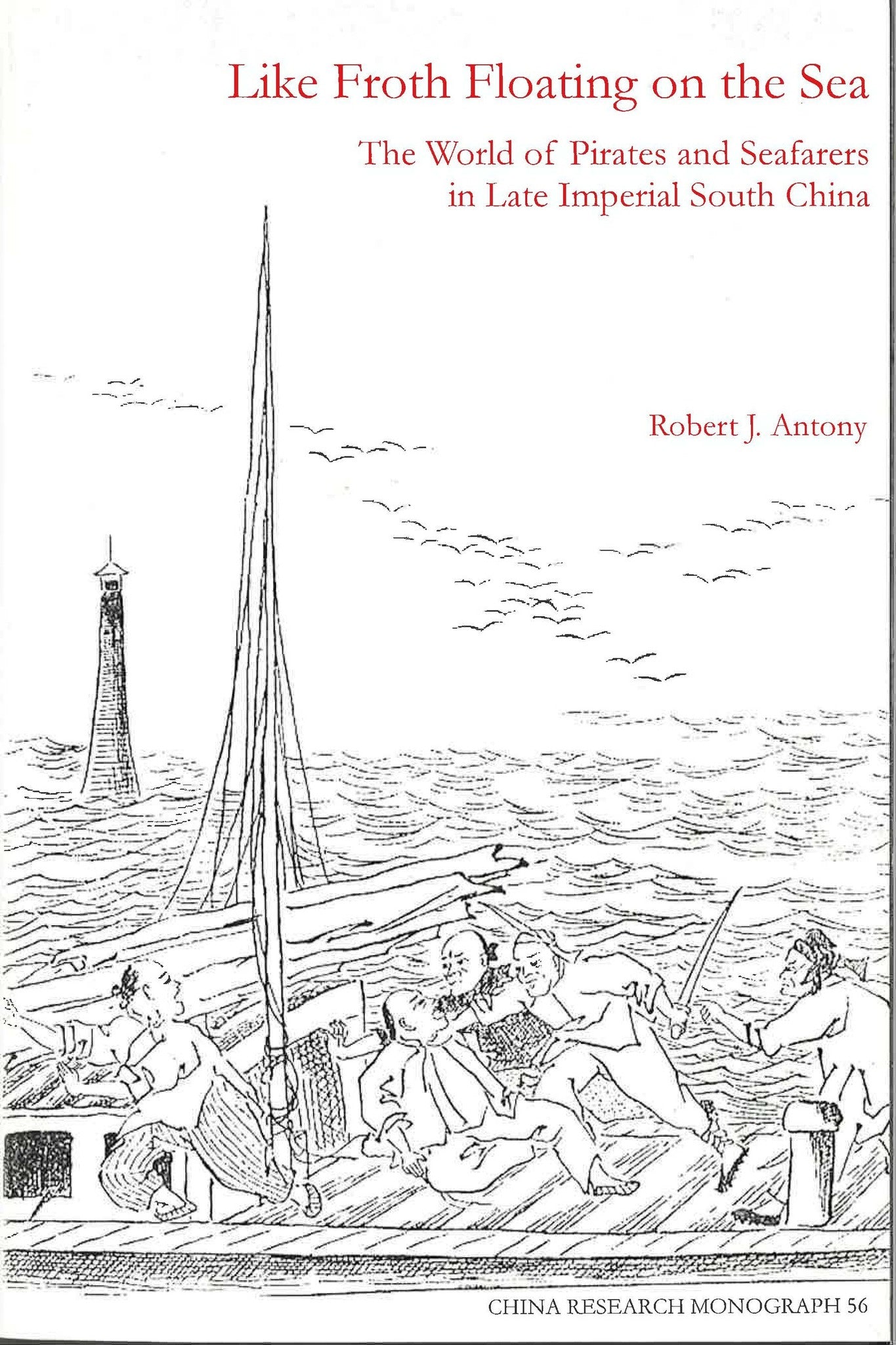
Like Froth Floating on the Sea

Regular price $25.00
Regular price $0.00 Sale price $25.00
Sold out
This book explores the world of pirates and seafarers and the integral role they played in shaping maritime society in Fujian and Guangdong during the late eighteenth and early nineteenth centuries...
Read More
  • 01 January 2003
View Product Details
This book explores the world of pirates and seafarers and the integral role they played in shaping maritime society in Fujian and Guangdong during the late eighteenth and early nineteenth centuries. The study is an attempt to understand piracy for what it can tell us about the nature of socioeconomic change in maritime South China during the late imperial age. The approach, what has been called "history from the bottom up," seeks to look at ordinary seafarers and pirates on their own terms and to reconstruct their daily lives and aspirations. By reclaiming their social, economic, and cultural history, the book not only furthers our understanding of maritime society as a whole, but also demonstrates how dynamic economic growth, commercial change, and population explosion promoted dislocation, conflict, and violence on China's southern coast.
files/i.png Icon
Price: $25.00
Pages: 216
Publisher: Institute of East Asian Studies, University of California, Berkeley
Imprint: Institute of East Asian Studies, University of California, Berkeley
Series: China Research Monograph
Publication Date: 01 January 2003
Trim Size: 9.00 X 6.00 in
ISBN: 9781557290786
Format: Paperback
REVIEWS Icon
Robert J. Antony (安乐博) is Distinguished Professor and Senior Researcher in the Canton’s Thirteen Hongs Research Center, Guangzhou University.
Education: B.A. Louisiana State University in New Orleans; M.A.University of New Orleans; Ph.D. University of Hawaii, 1988

List of Tables and Figures – vii
Acknowledgments – ix
Conventions and Equivalencies – xii

1. Prelude: The Empress of Heaven saves Dianbai – 1
2. Waves of Piracy in Late Imperial China – 19
    Piracy in Early Imperial China – 21
         The Merchant-Pirates of the Mid-Ming – 22
         Merchants, Rebels, and Pirates of the Ming-Qing Transition – 28
         The Seafarer-Pirates of the Mid-Qing – 37
3. Prosperity and Poverty in Maritime South China – 54
         Commercialization and Prosperity – 55
         Hardship and Poverty – 71
4. Fishermen, Sailors, and Pirates – 82
         Social Backgrounds of Pirates and Victims – 83
         Becoming a Pirate ¬– 88
         Professional Pirates – 91
         Occasional Piracy – 94
         Reluctant Pirates and Captives – 97
5. Pirate Brutality and Hegemony – 105
         Pirate Modi Operandi – 106 Robbery, Kidnapping, and Rape – 112
         Murder, Mutilation, and Dismemberment – 115
         Protection Rackets – 118
6. Piracy and Seafaring Society – 122
         Pirate Lairs and Black Markets – 122
         Wicked People and Worthless Fellows – 129
         Pirates, Bandits, and Brotherhoods – 135
         Piracy and Local Economies – 137
7. The Cultural World of Seafarers and Pirates – 139
         Habits and Lifestyles – 140
         Violence and Vice – 144
         Lecherous Men and Lewd Women – 147
         Mastering the Natural Environment – 150
         Worshipping Deities of the Sea – 152
         Pirates and Human Sacrifice – 161
8. Conclusion: Maritime History from the Bottom Up – 164

Glossary –173
Bibliography – 176
Index – 194