


Some error occured while loading the Quick View. Please close the Quick View and try reloading the page.
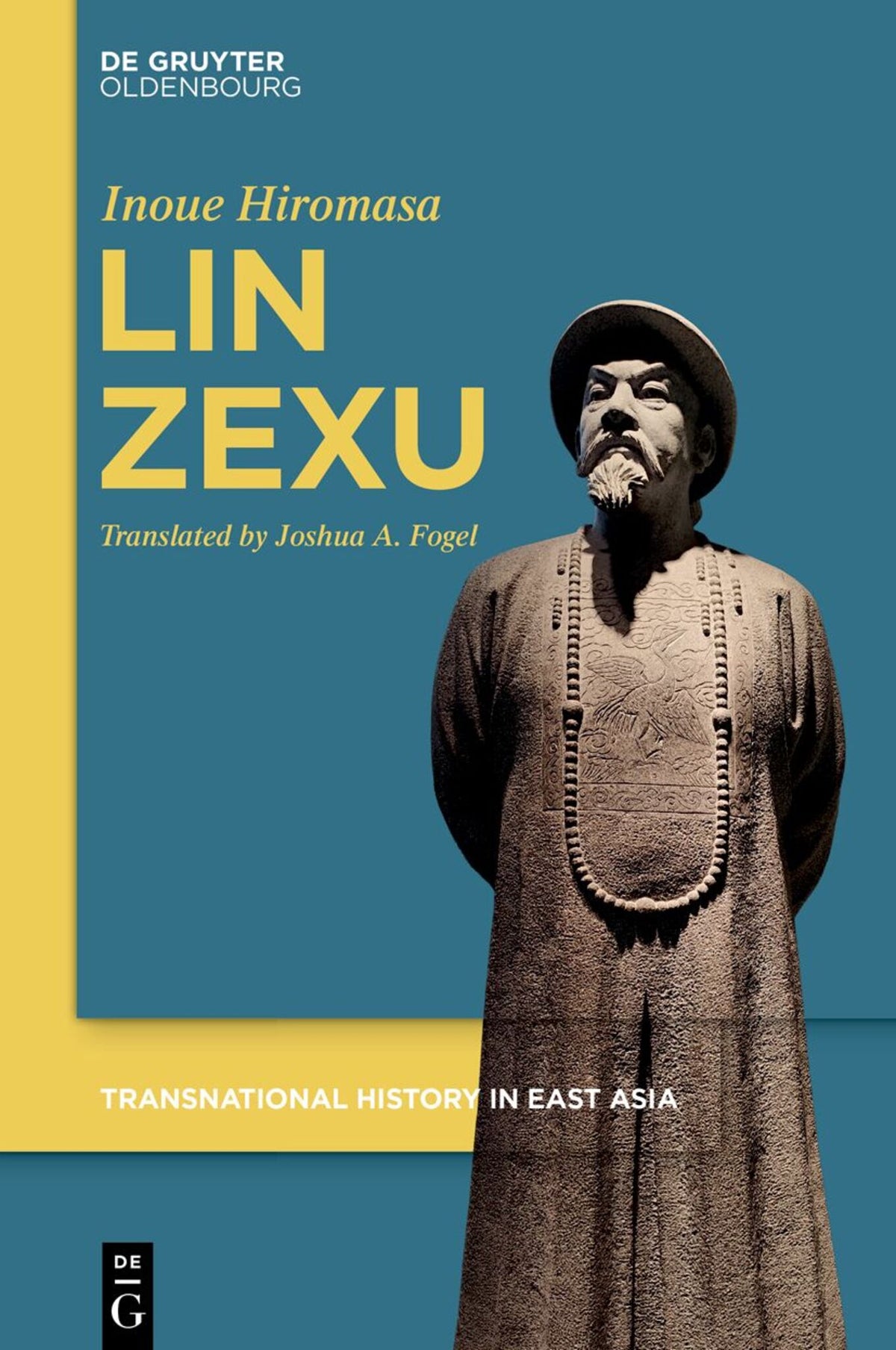
In the early nineteenth century, the Qing dynasty was faced with a serious problem: opium, the drug imported by the British from its colony in India but also dealt and spread by Chinese merchants. It was having a devastating impact on the Chinese populace. Lin Zexu was the Chinese official who was sent as imperial commissioner to deal with the British and rid China of this problem from banning its sale.
In this biography of Lin, Inoue Hiromasa depicts his protagonist as a typical candidate, albeit a successful one, in the civil service examinations, leading to his gradual elevation within the bureaucratic system. It shows him an official in an assortment of posts at various sites, a man engaged in all manner of civil, institutional, and social problems—river conservancy work, grain transport, water utilization, and the salt administration. Inoue stresses that Lin was a statecraft official, meaning he saw his ultimate role as an official to be ameliorating the lives of the people.
The most famous and compelling issue Lin faced was opium, and there was a plethora of views on the Chinese side, banning it to legalizing it. With no experience dealing with foreigners, Lin found himself confronting the British and being out of his depth. This is his story.


Inoue Hiromasa (1948–2022) was born and raised in Yokohama. He did all of his education in the Department of East Asian Studies at Kyoto University. After teaching for several years at Shimane University, he moved to Nara Women’s University in 1986, becoming a full professor in 2009. He worked primarily in the field of Sino-British relations in the nineteenth century and was especially interested in the issue of opium in those relations. This is the first book-length study of his to appear in translation.