


Some error occured while loading the Quick View. Please close the Quick View and try reloading the page.
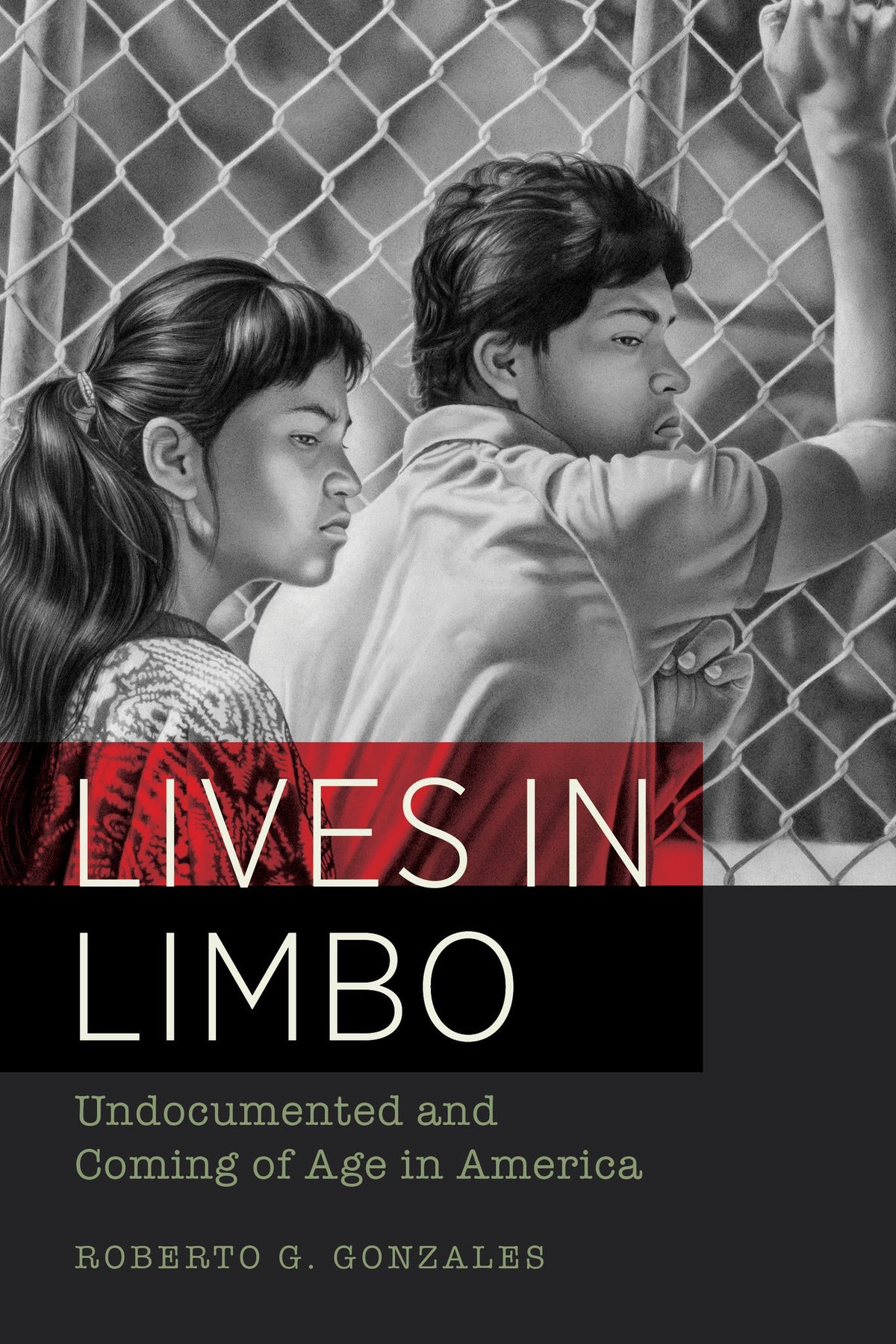
“My world seems upside down. I have grown up but I feel like I’m moving backward. And I can’t do anything about it.” –Esperanza
Over two million of the nation’s eleven million undocumented immigrants have lived in the United States since childhood. Due to a broken immigration system, they grow up to uncertain futures. In Lives in Limbo, Roberto G. Gonzales introduces us to two groups: the college-goers, like Ricardo, who had good grades and a strong network of community support that propelled him to college and DREAM Act organizing but still landed in a factory job a few short years after graduation, and the early-exiters, like Gabriel, who failed to make meaningful connections in high school and started navigating dead-end jobs, immigration checkpoints, and a world narrowly circumscribed by legal limitations. This vivid ethnography explores why highly educated undocumented youth share similar work and life outcomes with their less-educated peers, despite the fact that higher education is touted as the path to integration and success in America. Mining the results of an extraordinary twelve-year study that followed 150 undocumented young adults in Los Angeles, Lives in Limbo exposes the failures of a system that integrates children into K-12 schools but ultimately denies them the rewards of their labor.
Over two million of the nation’s eleven million undocumented immigrants have lived in the United States since childhood. Due to a broken immigration system, they grow up to uncertain futures. In Lives in Limbo, Roberto G. Gonzales introduces us to two groups: the college-goers, like Ricardo, who had good grades and a strong network of community support that propelled him to college and DREAM Act organizing but still landed in a factory job a few short years after graduation, and the early-exiters, like Gabriel, who failed to make meaningful connections in high school and started navigating dead-end jobs, immigration checkpoints, and a world narrowly circumscribed by legal limitations. This vivid ethnography explores why highly educated undocumented youth share similar work and life outcomes with their less-educated peers, despite the fact that higher education is touted as the path to integration and success in America. Mining the results of an extraordinary twelve-year study that followed 150 undocumented young adults in Los Angeles, Lives in Limbo exposes the failures of a system that integrates children into K-12 schools but ultimately denies them the rewards of their labor.

Price: $14.95
Pages: 320
Publisher: University of California Press
Imprint: University of California Press
Publication Date:
15 December 2015
ISBN: 9780520962415
Format: eBook

Foreword by Jose Antonio Vargas
Preface
Acknowledgments
1. Contested Membership over Time 2. Undocumented Young Adults in Los Angeles: College-Goers and Early Exiters
3. Childhood: Inclusion and Belonging
4. School as a Site of Belonging and Conflict
5. Adolescence: Beginning the Transition to Illegality
6. Early Exiters: Learning to Live on the Margins
7. College-Goers: Managing the Distance between Aspirations and Reality
8. Adulthood: How Immigration Status Becomes a Master Status
9. Conclusion: Managing Lives in Limbo
Notes
References
Index
Preface
Acknowledgments
1. Contested Membership over Time 2. Undocumented Young Adults in Los Angeles: College-Goers and Early Exiters
3. Childhood: Inclusion and Belonging
4. School as a Site of Belonging and Conflict
5. Adolescence: Beginning the Transition to Illegality
6. Early Exiters: Learning to Live on the Margins
7. College-Goers: Managing the Distance between Aspirations and Reality
8. Adulthood: How Immigration Status Becomes a Master Status
9. Conclusion: Managing Lives in Limbo
Notes
References
Index