


Some error occured while loading the Quick View. Please close the Quick View and try reloading the page.
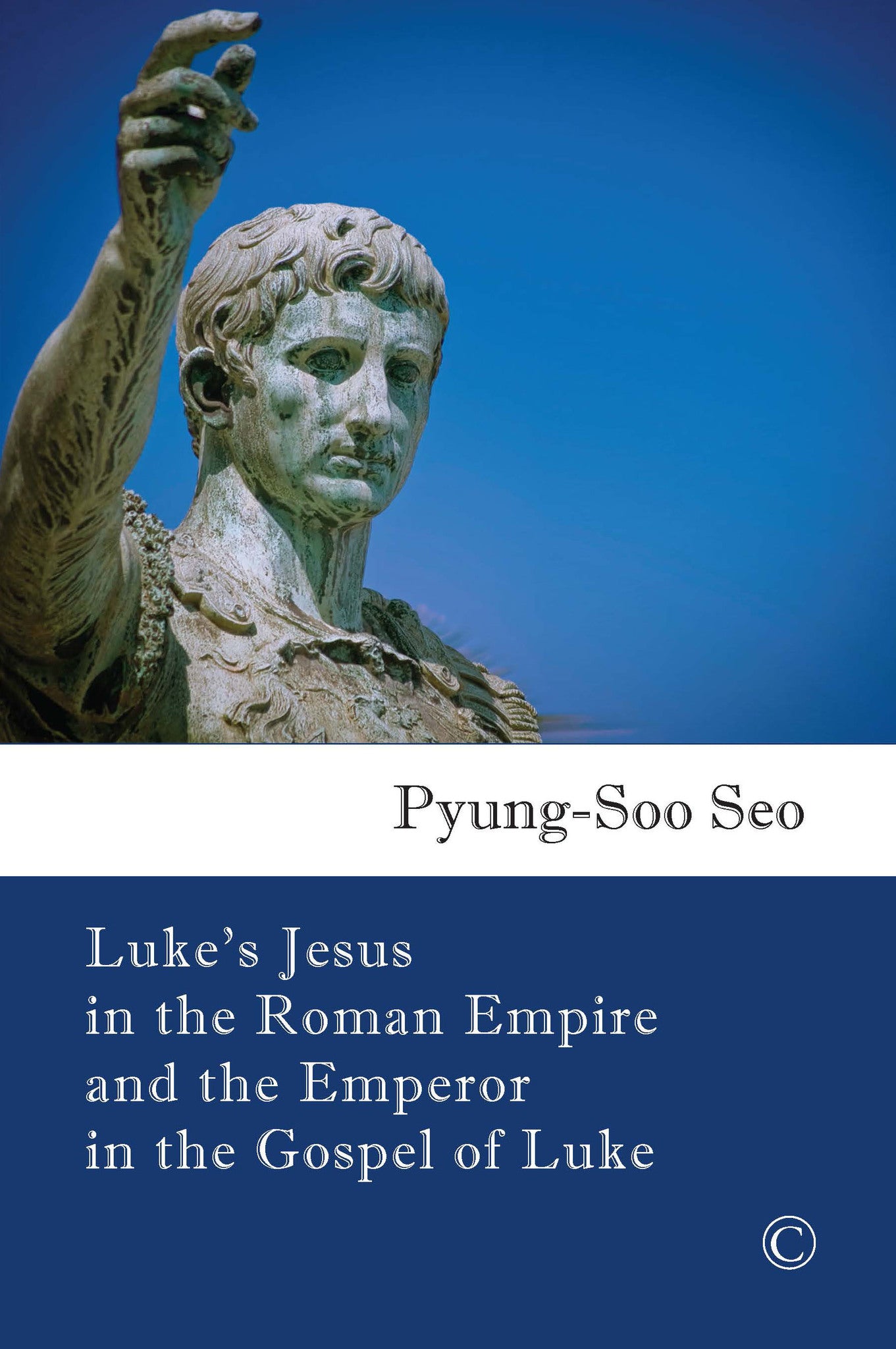
An insightful re-examination of Luke's Gospel showing how the moral stature of Jesus is emphasised through his conflict with the tax collectors.
Shrewd and thoughtful, Pyung-Soo Seo offers an exciting and refreshing perspective on Luke's Gospel, which provides valuable clues to a deeper understanding of the vast power of the Roman Empire through Jesus' birth and trial accounts. Seo analyses the political role the Gospel played in the decades following the Crucifixion, and presents a compelling argument: the Bible emphasises Jesus' relationships with tax collectors as a way of displaying his moral authority, seen as he confronts one of the most hated aspects of the empire: the corruption and intimidation for which the emperor was ultimately responsible. Seo suggests that Luke wants us to compare Jesus and the emperor to show us how the emperor is found wanting. Concentrating on the titles of 'benefactor' and 'saviour' his analysis of Christ's moral authority is both discerning and erudite.
Shrewd and thoughtful, Pyung-Soo Seo offers an exciting and refreshing perspective on Luke's Gospel, which provides valuable clues to a deeper understanding of the vast power of the Roman Empire through Jesus' birth and trial accounts. Seo analyses the political role the Gospel played in the decades following the Crucifixion, and presents a compelling argument: the Bible emphasises Jesus' relationships with tax collectors as a way of displaying his moral authority, seen as he confronts one of the most hated aspects of the empire: the corruption and intimidation for which the emperor was ultimately responsible. Seo suggests that Luke wants us to compare Jesus and the emperor to show us how the emperor is found wanting. Concentrating on the titles of 'benefactor' and 'saviour' his analysis of Christ's moral authority is both discerning and erudite.

Price: $29.99
Pages: 208
Publisher: Boydell & Brewer Inc.
Imprint: James Clarke
Publication Date:
27 August 2015
Trim Size: 9.02 X 5.98 in
ISBN: 9780227175439
Format: Paperback
BISACs:
HISTORY / Wars & Conflicts / World War II / General, Second World War, RELIGION / Biblical Studies / General, Criticism and exegesis of sacred texts, Bibles

The book is full of information about the imperial background to Luke's account; its thesis is interesting and worthwhile...
— David Wenham
— David Wenham
Acknowledgments
Abbreviations of Periodicals, Reference Works
Ancient Sources: Editions and Abbreviation
Introduction
1) Jesus' Birth and Trial in Relation to the Issue of Authority
Jesus' Birth: Charismatic Authority
Jesus' Trial: Traditional Authority and Bureaucratic
Authority
Hearing before the Jewish Assembly (Luke 22:66-71)
Initial Trial before Pilate (Luke 23:1-5)
Charges
Perverting the Nation
Tribute
Kingship
Trial before Herod (Luke 23:6-12)
Pilate's Reasons for Sending Jesus over to Herod (Luke 23:7)
Herod as Fox in Luke 13:31
Friendship in Luke 23:12
Second Trial before Pilate (Luke 23:13-25)
Summary
2) Census, Tribute, and Tax Collectors
Census and Tribute
Identification of Denarius and Authority of Coin-Mint
Revolt in Relation to Religious Reasons
Jesus' Response
Various Taxes
Tax Collectors
Emperor's Imperium and Auctoritas
Imperium
Auctoritas
Levi (Luke 5:27-32)
Zacchaeus (Luke 19:1-10)
Summary
3 Benefactor: Who is Greater?
The Identity of the Kings of the Gentiles
Luke's Understanding of the Title 'Benefactor'
Benefactor and Savior
Summary
4 Savior: Victory-Peace-Salvation
Augustus as Savior
Augustus' Victory and Peace Based upon His Military Imperium
Two Theories
Assimilation and Acculturation
Contra-culture theory
Jesus as Victor: His Victory over His Enemies
Non-Human Being: Satan and His relationship with the Roman Empire
Human Being
Jesus as Peace-Bringer
Sword/Violence
Jesus' Rejection of the Use of Sword (Luke 22:35-38 and Luke 22:47-53)
The Cleansing of the Temple (Luke 19:45-48)
Love Your Enemies (Luke 6:27-38)
Jesus as Savior
Jesus' Saving Activities in Relation to Tax Collectors
Zechariah's Praise
Enemy
Peace and Salvation
Summary
5 Conclusion
Bibliography
Abbreviations of Periodicals, Reference Works
Ancient Sources: Editions and Abbreviation
Introduction
1) Jesus' Birth and Trial in Relation to the Issue of Authority
Jesus' Birth: Charismatic Authority
Jesus' Trial: Traditional Authority and Bureaucratic
Authority
Hearing before the Jewish Assembly (Luke 22:66-71)
Initial Trial before Pilate (Luke 23:1-5)
Charges
Perverting the Nation
Tribute
Kingship
Trial before Herod (Luke 23:6-12)
Pilate's Reasons for Sending Jesus over to Herod (Luke 23:7)
Herod as Fox in Luke 13:31
Friendship in Luke 23:12
Second Trial before Pilate (Luke 23:13-25)
Summary
2) Census, Tribute, and Tax Collectors
Census and Tribute
Identification of Denarius and Authority of Coin-Mint
Revolt in Relation to Religious Reasons
Jesus' Response
Various Taxes
Tax Collectors
Emperor's Imperium and Auctoritas
Imperium
Auctoritas
Levi (Luke 5:27-32)
Zacchaeus (Luke 19:1-10)
Summary
3 Benefactor: Who is Greater?
The Identity of the Kings of the Gentiles
Luke's Understanding of the Title 'Benefactor'
Benefactor and Savior
Summary
4 Savior: Victory-Peace-Salvation
Augustus as Savior
Augustus' Victory and Peace Based upon His Military Imperium
Two Theories
Assimilation and Acculturation
Contra-culture theory
Jesus as Victor: His Victory over His Enemies
Non-Human Being: Satan and His relationship with the Roman Empire
Human Being
Jesus as Peace-Bringer
Sword/Violence
Jesus' Rejection of the Use of Sword (Luke 22:35-38 and Luke 22:47-53)
The Cleansing of the Temple (Luke 19:45-48)
Love Your Enemies (Luke 6:27-38)
Jesus as Savior
Jesus' Saving Activities in Relation to Tax Collectors
Zechariah's Praise
Enemy
Peace and Salvation
Summary
5 Conclusion
Bibliography