


Some error occured while loading the Quick View. Please close the Quick View and try reloading the page.
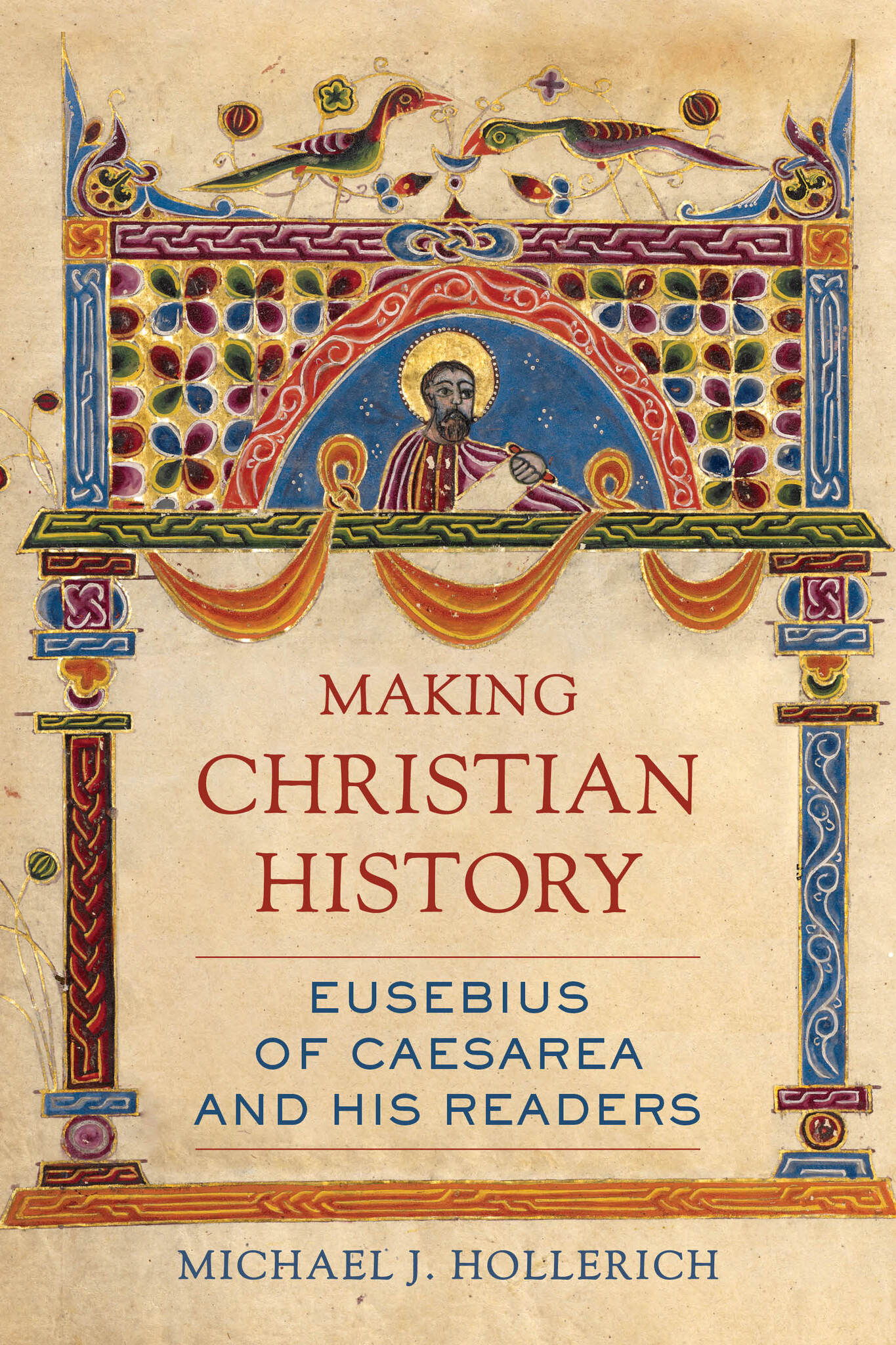
Known as the “Father of Church History,” Eusebius was bishop of Caesarea in Palestine and the leading Christian scholar of his day. His Ecclesiastical History is an irreplaceable chronicle of Christianity’s early development, from its origin in Judaism, through two and a half centuries of illegality and occasional persecution, to a new era of tolerance and favor under the Emperor Constantine. In this book, Michael J. Hollerich recovers the reception of this text across time. As he shows, Eusebius adapted classical historical writing for a new “nation,” the Christians, with a distinctive theo-political vision.
Eusebius’s text left its mark on Christian historical writing from late antiquity to the early modern period—across linguistic, cultural, political, and religious boundaries—until its encounter with modern historicism and postmodernism. Making Christian History demonstrates Eusebius’s vast influence throughout history, not simply in shaping Christian culture but also when falling under scrutiny as that culture has been reevaluated, reformed, and resisted over the past 1,700 years.
Eusebius’s text left its mark on Christian historical writing from late antiquity to the early modern period—across linguistic, cultural, political, and religious boundaries—until its encounter with modern historicism and postmodernism. Making Christian History demonstrates Eusebius’s vast influence throughout history, not simply in shaping Christian culture but also when falling under scrutiny as that culture has been reevaluated, reformed, and resisted over the past 1,700 years.

Price: $95.00
Pages: 332
Publisher: University of California Press
Imprint: University of California Press
Series: Christianity in Late Antiquity
Publication Date:
22 June 2021
ISBN: 9780520968134
Format: eBook

Abbreviations
Acknowledgments
1. Eusebius and His Ecclesiastical History
Eusebius as Transitional Figure
Eusebius's Historical Diptych: The Chronicle and the Ecclesiastical History
What Is "Ecclesiastical History," and Why Did Eusebius Write One?
An Untrodden Path? Eusebius’s Predecessors
2. The Reception of the Ecclesiastical History in a Christian Empire
The Manuscript Tradition as Reception History
Translations and Continuations in Antiquity
Eusebius's First Continuators: Rufinus of Aquileia and Gelasius of Caesarea
Eusebius's Ancient Greek Continuators: An Ecclesiastical History Canon
3. The Reception of the Ecclesiastical History in the Non-Greek East
Syriac Christianity: Historiography, Doctrinal Conflict, and Regime Change
Armenia: Adapting Eusebius on the Borderland of Rome and Persia
Eusebius in the Coptic Tradition: From Ecumenical to Ethnic Ecclesiastical History
4. The Reception of the Ecclesiastical History in the Latin West
The Ancient Latin Tradition after Rufinus
"National" Ecclesiastical History in the Middle Ages
Bede and Ecclesiastical History in Anglo-Saxon England: Eusebius's Heir and Critic
Eusebius and Frankish Identity: The Cult of the Book
A Norman Ecclesiastical History: Orderic Vitalis
Ecclesiastical History in a Corpus Christianum
5. Eusebius in Byzantium
John Malalas and His Chronicle
The Paschal Chronicle
George Synkellos and Theophanes: At the Summit of Byzantine Chronography
Nicephorus Callistus Xanthopulus and the Return of Ecclesiastical History
6. Eusebius Rediscovered in Early Modernity: Renaissance, Reformation, and the Republic of Letters
The Ecclesiastical History and Renaissance Humanism: Humanist Historiography and Sacred History
Eusebius in a Confessional Age: From Humanist Retrieval to the Weaponizing of Ecclesiastical History
Eusebius in the Republic of Letters
7. Reading Eusebius in Modernity and Postmodernity: The Ecclesiastical History in Modern Scholarship
In Search of Patrons: The Ecclesiastical History and Its Modern History of Publication
Critical Reception I: Secular
Critical Reception II: Religious and Theological
Ecclesiastical History and Its Future
Bibliography
Index
Acknowledgments
1. Eusebius and His Ecclesiastical History
Eusebius as Transitional Figure
Eusebius's Historical Diptych: The Chronicle and the Ecclesiastical History
What Is "Ecclesiastical History," and Why Did Eusebius Write One?
An Untrodden Path? Eusebius’s Predecessors
2. The Reception of the Ecclesiastical History in a Christian Empire
The Manuscript Tradition as Reception History
Translations and Continuations in Antiquity
Eusebius's First Continuators: Rufinus of Aquileia and Gelasius of Caesarea
Eusebius's Ancient Greek Continuators: An Ecclesiastical History Canon
3. The Reception of the Ecclesiastical History in the Non-Greek East
Syriac Christianity: Historiography, Doctrinal Conflict, and Regime Change
Armenia: Adapting Eusebius on the Borderland of Rome and Persia
Eusebius in the Coptic Tradition: From Ecumenical to Ethnic Ecclesiastical History
4. The Reception of the Ecclesiastical History in the Latin West
The Ancient Latin Tradition after Rufinus
"National" Ecclesiastical History in the Middle Ages
Bede and Ecclesiastical History in Anglo-Saxon England: Eusebius's Heir and Critic
Eusebius and Frankish Identity: The Cult of the Book
A Norman Ecclesiastical History: Orderic Vitalis
Ecclesiastical History in a Corpus Christianum
5. Eusebius in Byzantium
John Malalas and His Chronicle
The Paschal Chronicle
George Synkellos and Theophanes: At the Summit of Byzantine Chronography
Nicephorus Callistus Xanthopulus and the Return of Ecclesiastical History
6. Eusebius Rediscovered in Early Modernity: Renaissance, Reformation, and the Republic of Letters
The Ecclesiastical History and Renaissance Humanism: Humanist Historiography and Sacred History
Eusebius in a Confessional Age: From Humanist Retrieval to the Weaponizing of Ecclesiastical History
Eusebius in the Republic of Letters
7. Reading Eusebius in Modernity and Postmodernity: The Ecclesiastical History in Modern Scholarship
In Search of Patrons: The Ecclesiastical History and Its Modern History of Publication
Critical Reception I: Secular
Critical Reception II: Religious and Theological
Ecclesiastical History and Its Future
Bibliography
Index