


Some error occured while loading the Quick View. Please close the Quick View and try reloading the page.
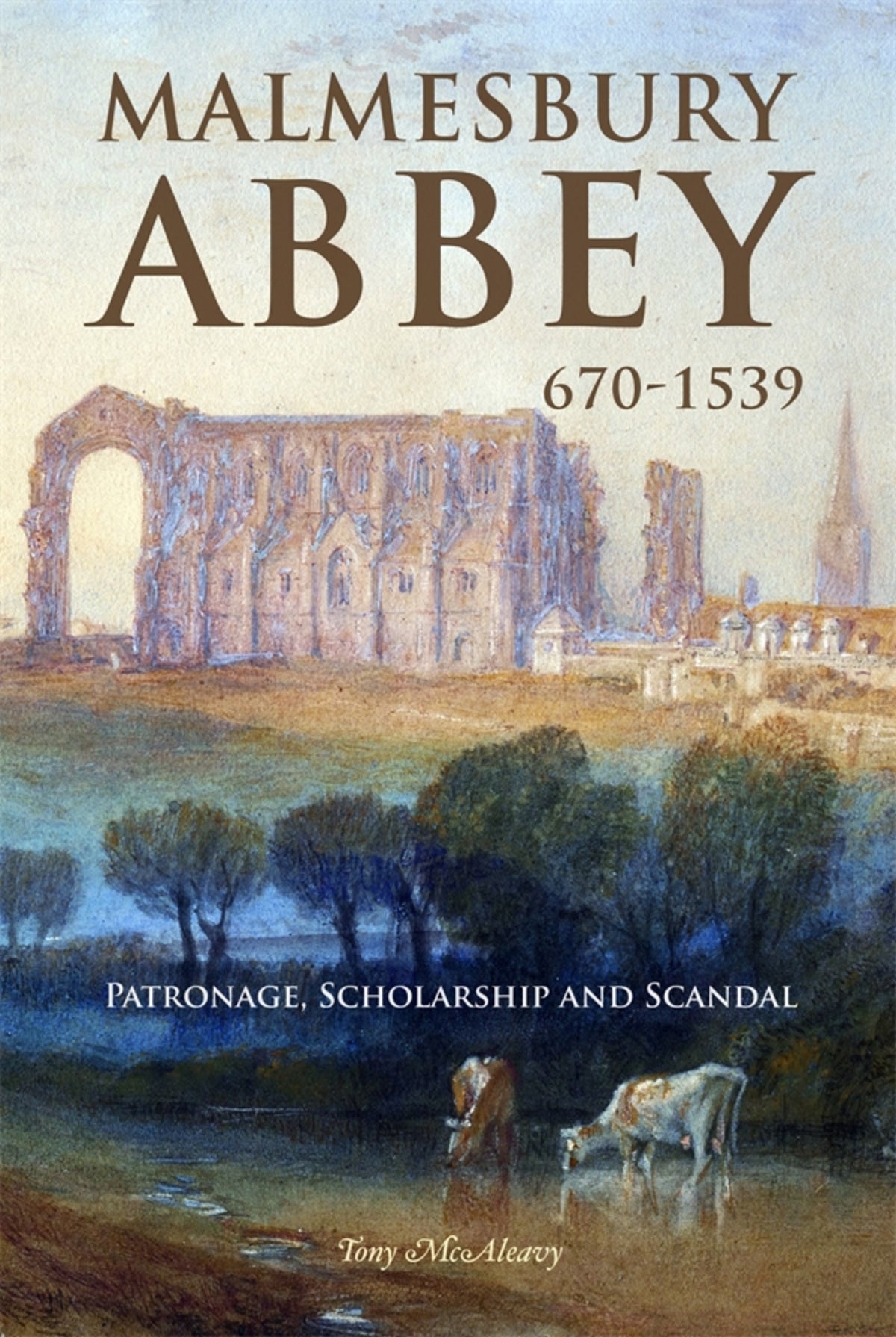
Malmesbury Abbey was an institution of national significance throughout the Middle Ages and this book is the first full-length study of its history. Drawing upon particularly rich surviving documentary sources, it describes the monastery's evolution from the late seventh century to the Dissolution in 1539. The place was home to two particularly eminent writers: Aldhelm and William of Malmesbury. The Abbey had many royal connections. It housed the mausoleum of Æthelstan, first king of all England, and was effectively re-founded by King Edgar as part of an elite network of Benedictine communities intended to offer prayers on behalf of the royal house of Wessex. Queen Matilda, wife of Henry I, took a close interest in the monastery's affairs. Henry Plantagenet was present when a massacre took place in the Abbey church in 1153. In the 1320s the monks became caught up in the conflict between Edward II and his baronial opponents. The Abbey was also important architecturally. The church was completely rebuilt at the behest of Bishop Roger of Salisbury, chief minister of Henry I, and the surviving south porch contains some of the finest Romanesque sculpture in England.
Previously neglected or unexamined sources are used extensively. The book reveals for the first time the identity of the Malmesbury monk who wrote the chronicle known as Eulogium Historiarum in the 1360s; his name was Thomas of Bromham and he envisaged a messianic role for the Black Prince. New light is shed on the extraordinary careers of abbots such as William of Colerne who transformed the Abbey's economic fortunes and John of Tintern who was accused of murder and arson. The turbulent final years of the Abbey's existence receive considerable attention, including an account of the spectacular breakdown in discipline in 1527 when Abbot Richard Camme was attacked by a gang of rebellious monks.
Previously neglected or unexamined sources are used extensively. The book reveals for the first time the identity of the Malmesbury monk who wrote the chronicle known as Eulogium Historiarum in the 1360s; his name was Thomas of Bromham and he envisaged a messianic role for the Black Prince. New light is shed on the extraordinary careers of abbots such as William of Colerne who transformed the Abbey's economic fortunes and John of Tintern who was accused of murder and arson. The turbulent final years of the Abbey's existence receive considerable attention, including an account of the spectacular breakdown in discipline in 1527 when Abbot Richard Camme was attacked by a gang of rebellious monks.

Price: $90.00
Pages: 298
Publisher: Boydell & Brewer Inc.
Imprint: Boydell Press
Publication Date:
September 5, 2023
Trim Size: 9.21 X 6.14 in
ISBN: 9781783277148
Format: Hardcover
BISACs:
HISTORY / Europe / Great Britain / Norman Conquest to Late Medieval (1066-1485), European history: medieval period, middle ages, RELIGION / Christianity / History, Christianity, History of religion

McAleavy has brought together the often fragmentary evidence from more than a thousand years for reconstructing a history. Judiciously and methodically he has relied upon archaeological reports, medieval narratives, and medieval and Tudor legal documents and court records. Ample footnotes and extensive bibliography will aid future historians of this important medieval monastery.
This is an important contribution to the history of one of the more influential English Benedictine medieval houses whose complete history is now available to the general reader in a single volume which acknowledges the value of past published primary sources and the recent research of Rodney Thomson.
McAleavy presents an engaging and judicious narrative of the monastery's fortunes and affairs, with a particular focus on its abbots, estates and intellectual life.
McAleavy's work succeeds in being both ambitious and accessible. He has a great eye for memorable anecdotes about both Malmesbury's more saintly and more sinful inhabitants. This book will provide a wonderful introduction to Malmesbury for the general public and scholars alike.
One important contribution made in this study is the identification of Thomas of Bromham as the author of Eulogium Historiarum of the 1360s. McAleavy draws on the writings of William of Malmesbury, Thomas of Bromham, and other primary sources to create this new overview of the abbey and consequently provides fresh insights. This is a work that uses the surviving documents extensively and the author is also willing to admit where the evidence is slight. As such it is a useful tool for teaching. It is certainly helpful in contextualising the abbey and its inhabitants who have played such a prominent role in the interpretation of English history.
This is an important contribution to the history of one of the more influential English Benedictine medieval houses whose complete history is now available to the general reader in a single volume which acknowledges the value of past published primary sources and the recent research of Rodney Thomson.
McAleavy presents an engaging and judicious narrative of the monastery's fortunes and affairs, with a particular focus on its abbots, estates and intellectual life.
McAleavy's work succeeds in being both ambitious and accessible. He has a great eye for memorable anecdotes about both Malmesbury's more saintly and more sinful inhabitants. This book will provide a wonderful introduction to Malmesbury for the general public and scholars alike.
One important contribution made in this study is the identification of Thomas of Bromham as the author of Eulogium Historiarum of the 1360s. McAleavy draws on the writings of William of Malmesbury, Thomas of Bromham, and other primary sources to create this new overview of the abbey and consequently provides fresh insights. This is a work that uses the surviving documents extensively and the author is also willing to admit where the evidence is slight. As such it is a useful tool for teaching. It is certainly helpful in contextualising the abbey and its inhabitants who have played such a prominent role in the interpretation of English history.
Prologue: Before the monastery
1. From Máeldub to Aldhelm
2. Aldhelm's community
3. Royal patronage and exploitation: 710-960
4. Malmesbury and the late Anglo-Saxon Benedictine reform movement
5. Responding to the Conquest: 1066-1100
6. William of Malmesbury and Queen Matilda
7. The ascendancy of Bishop Roger of Salisbury
8. The Abbey and the Anarchy
9. The dispute with the bishops of Salisbury: 1142-1217
10. A self-confident age: the Abbey in the thirteenth century
11. The Despenser years and the criminal career of Abbot John of Tintern
12. Thomas of Bromham and theEulogium Historiarum
13. After the Black Death
14. The abbots of Malmesbury: 1396-1480
15. The Tudor Abbey
Epilogue: After the departure of the monks
Bibliography
Index
1. From Máeldub to Aldhelm
2. Aldhelm's community
3. Royal patronage and exploitation: 710-960
4. Malmesbury and the late Anglo-Saxon Benedictine reform movement
5. Responding to the Conquest: 1066-1100
6. William of Malmesbury and Queen Matilda
7. The ascendancy of Bishop Roger of Salisbury
8. The Abbey and the Anarchy
9. The dispute with the bishops of Salisbury: 1142-1217
10. A self-confident age: the Abbey in the thirteenth century
11. The Despenser years and the criminal career of Abbot John of Tintern
12. Thomas of Bromham and theEulogium Historiarum
13. After the Black Death
14. The abbots of Malmesbury: 1396-1480
15. The Tudor Abbey
Epilogue: After the departure of the monks
Bibliography
Index