


Some error occured while loading the Quick View. Please close the Quick View and try reloading the page.
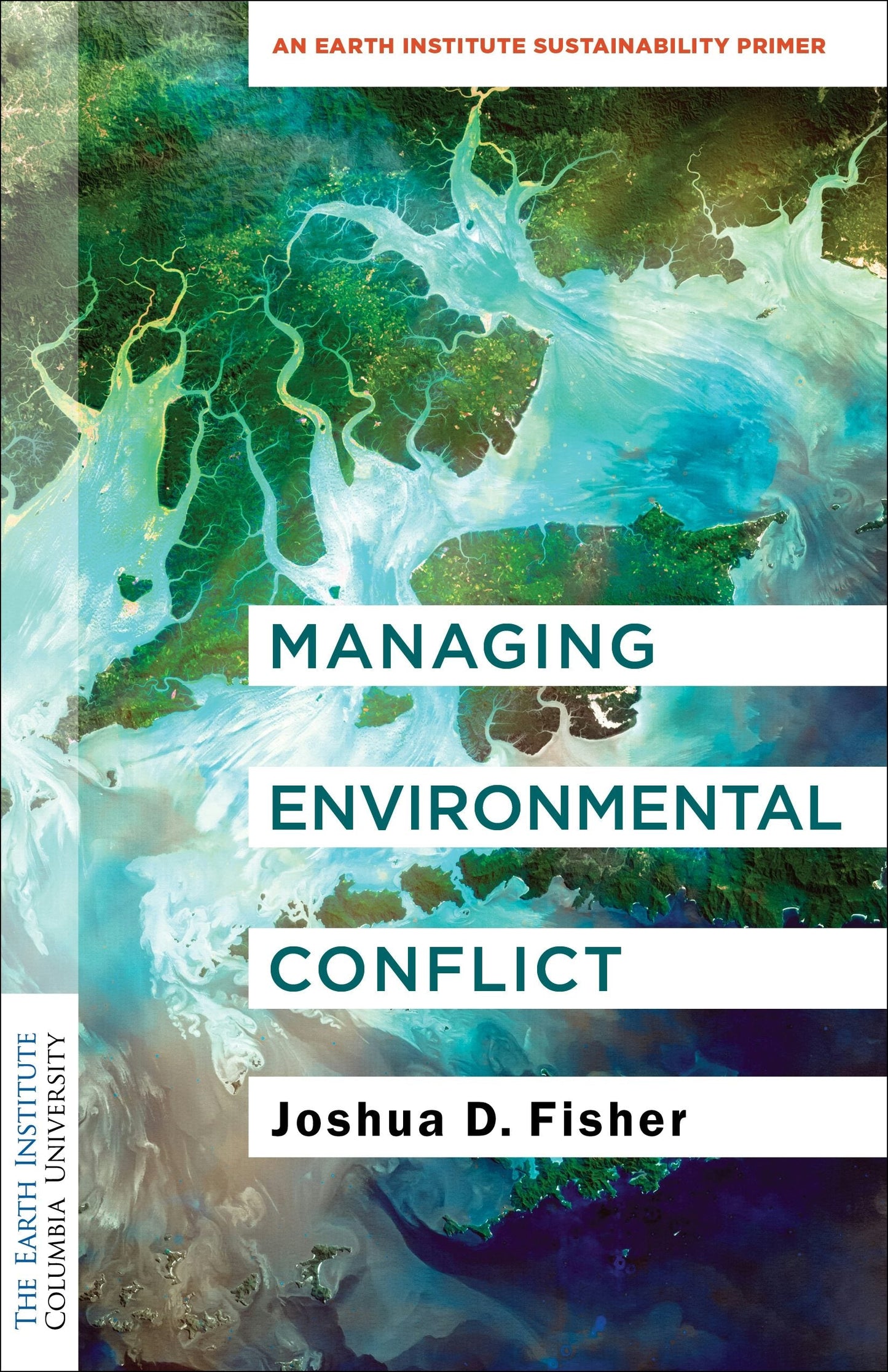
Conflicts frequently arise over environmental issues such as land use, natural resource management, and laws and regulation, emerging from diverging interests and values among stakeholders. This book is a primer on causes of and solutions to such conflicts. It provides a foundational overview of the theory and practice of collaborative approaches to managing environmental disputes.
Joshua D. Fisher explains the core concepts in collaborative conflict management and presents a clear, practical, and implementable framework for understanding and responding to environmental disputes. He details strategies to bring stakeholders together in pursuit of collective solutions, emphasizing ongoing processes of dialogue, analysis, action, and learning. This collaborative approach can create new opportunities for stakeholders to better understand each other and the natural world, which enables more effective and context-appropriate environmental governance. The primer examines why and how system dynamics can constrain or expand the possibility of constructive management of conflicts. It features a case study from the Amazon Basin, where local communities, extractive industry operators, conservationists, and land managers have often clashed over access to natural resources, drawing out lessons to illustrate how to adapt the conflict management framework to distinct contexts.
Managing Environmental Conflict synthesizes knowledge, methods, and practices spanning consensus building, collaborative governance, complex adaptive systems science, environmental conflict resolution, and environmental peacebuilding. Its presentation of this important and timely topic will be invaluable for academics and practitioners alike, including decision makers, scientists, and conflict management professionals.


Acknowledgments
1. The Case for Collaborative Environmental Conflict Management
2. Foundations of Environmental Conflict
3. Wicked Systems
4. Collaborative Dynamics
5. Collaborative Environmental Conflict Management: An Integrative Framework
6. Collaborative Environmental Conflict Management in Protected Area Management
7. Collaborative Environmental Conflict Management Practice
8. The Road Ahead
Appendix A. Illustrative Tools for Implementing CECM Processes
Appendix B. Supplemental Information on Chapter 6 Case Study
Glossary
Notes
Bibliography
Index