


Some error occured while loading the Quick View. Please close the Quick View and try reloading the page.
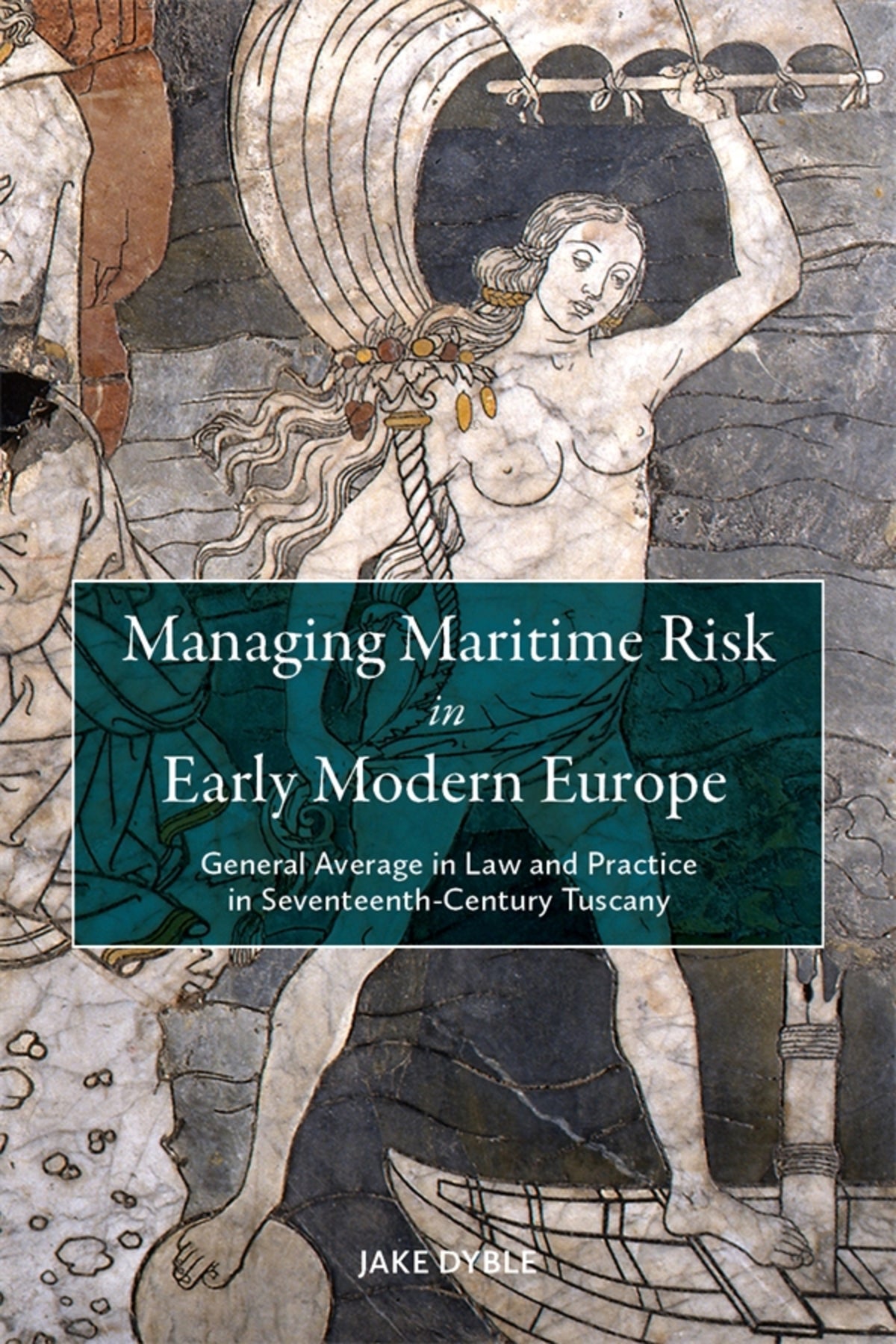
Draws on the rich surviving archives of the Tuscan port of Livorno to explore how General Average worked.
Commercial seafaring, both dangerous and with large amounts of capital at stake, was the source of the risk-management institutions that still undergird the global economy today. A key institution of early modern risk management was General Average, a procedure used to redistribute extraordinary costs arising from a maritime venture between all financially interested parties. For example, should one merchant's cargo be jettisoned to lighten a ship in a storm, the loss would be shared pro rata by the shipper and all the cargo-owners. A risk-sharing practice, different from the risk-shifting of marine insurance which became established relatively late, General Average is still in widespread use.
This book explores how General Average worked. It reveals the gap between General Average in law and how it worked on the ground. It shows how General Average partitioned a wide array of business costs, thereby performing a significant role in structuring maritime commerce, managing risk and promoting shipping and trade. In addition, the book discusses how far General Average was a feature of a supposedly ancient, universal, customary maritime law, and contributes to debates about the evolution of institutions in economic development.
Commercial seafaring, both dangerous and with large amounts of capital at stake, was the source of the risk-management institutions that still undergird the global economy today. A key institution of early modern risk management was General Average, a procedure used to redistribute extraordinary costs arising from a maritime venture between all financially interested parties. For example, should one merchant's cargo be jettisoned to lighten a ship in a storm, the loss would be shared pro rata by the shipper and all the cargo-owners. A risk-sharing practice, different from the risk-shifting of marine insurance which became established relatively late, General Average is still in widespread use.
This book explores how General Average worked. It reveals the gap between General Average in law and how it worked on the ground. It shows how General Average partitioned a wide array of business costs, thereby performing a significant role in structuring maritime commerce, managing risk and promoting shipping and trade. In addition, the book discusses how far General Average was a feature of a supposedly ancient, universal, customary maritime law, and contributes to debates about the evolution of institutions in economic development.

Price: $29.99
Pages: 256
Publisher: Boydell & Brewer Inc.
Imprint: Boydell Press
Publication Date:
11 March 2025
Trim Size: 9.21 X 6.14 in
ISBN: 9781837652822
Format: Paperback
BISACs:
HISTORY / Maritime History & Piracy, Maritime history, BUSINESS & ECONOMICS / Economic History, HISTORY / Europe / Renaissance, Economic history, European history: Renaissance

Jake Dyble is a post-doctoral researcher at the University of Padova, Italy
List of Illustrations
Acknowledgments
List of Abbreviations
Note on Dates, Currencies, and Terminology
Introduction
1. The Free Port of Livorno and its Pisan Court
2. Defining Average in Early Modern Italy and Europe
3. Average in Practice: The Evidence from the Pisan Archive
4. Commercial Justice and Political Economy: Stephen Dring's Tale
5. How Early Modern Shipping Managed Risk
Conclusion
Appendix
Bibliography
Index
Acknowledgments
List of Abbreviations
Note on Dates, Currencies, and Terminology
Introduction
1. The Free Port of Livorno and its Pisan Court
2. Defining Average in Early Modern Italy and Europe
3. Average in Practice: The Evidence from the Pisan Archive
4. Commercial Justice and Political Economy: Stephen Dring's Tale
5. How Early Modern Shipping Managed Risk
Conclusion
Appendix
Bibliography
Index