


Some error occured while loading the Quick View. Please close the Quick View and try reloading the page.
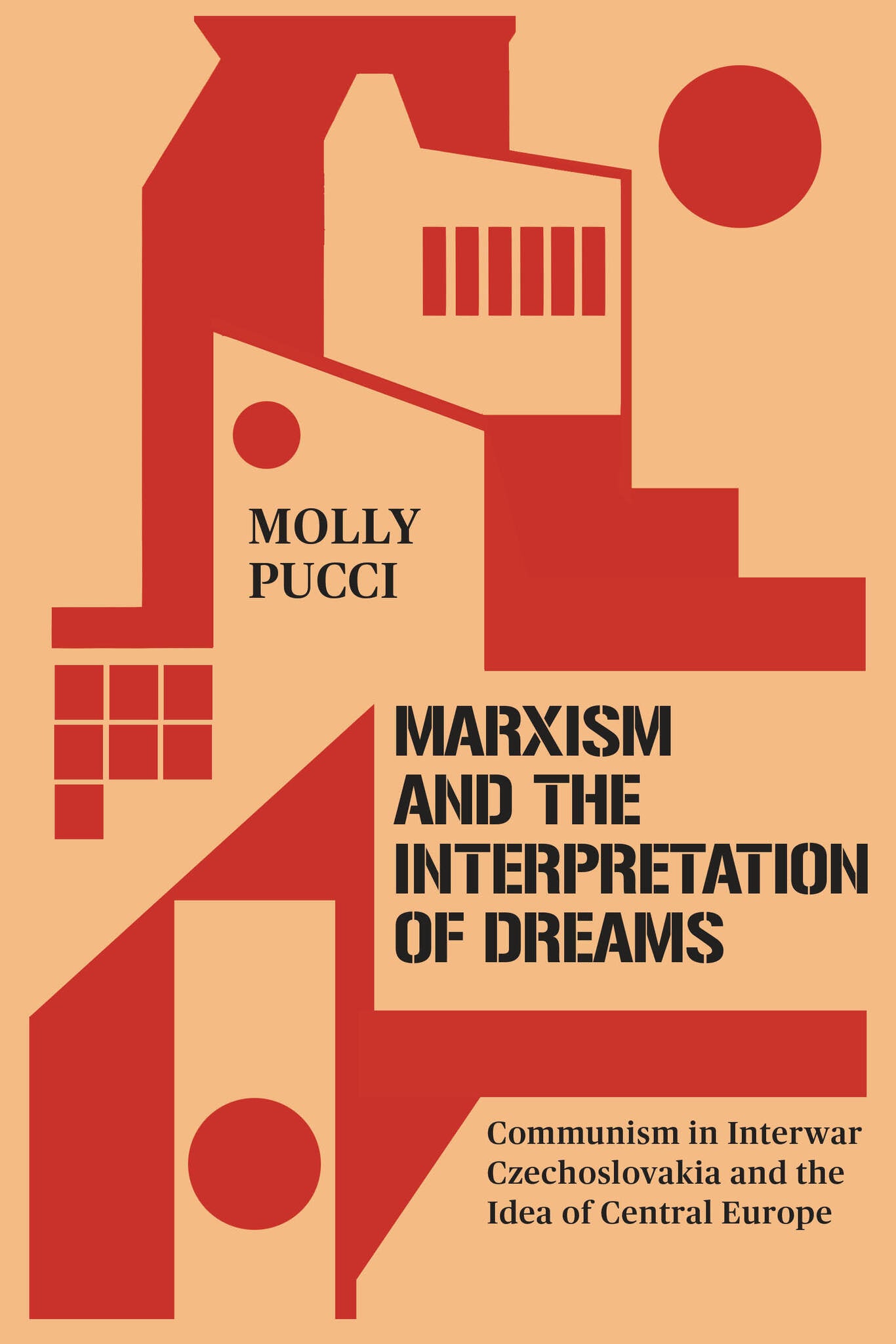
This book tells the story of one of the largest and most multinational communist parties in interwar Europe: the Czechoslovak communist party. Rather than telling a story rooted in later divisions between East and West, Molly Pucci considers the party in a Central European context, shaped by the common experiences of postwar displacement, imperial collapse, economic and social upheaval, grassroots violence, and the uncertain power of revolution.
Starting with the party's unique approach to socialism, derived from its Austro-Marxist heritage, she discusses its diverse Czech, Slovak, Jewish, Hungarian, Ruthenian, Polish, and German national groups and unique role in fostering radical emigre communities from across the region. Pucci offers a vibrant new history of how the party's artists, novelists, poets, photographers, lawyers, and journalists made sense of, and sought inspiration from, the socialist experiment in the East. Placing the party's history in a regional, transnational, and global perspective, she provides a multinational, multilingual perspective on early communist ideas, networks, and culture in Central Europe.


"Molly Pucci's compelling account of the KSČ makes the case for Prague rather than Moscow as the intellectual center of Central European communism. It tells the story of a diverse and multinational movement whose members hoped to revolutionize everything from poetry to the justice system." —Melissa Feinberg, Rutgers University
"Pucci's multinational approach to the early history of the Communist Party of Czechoslovakia and the Comintern turns the conventional narrative on its head. Broad in its scope and ambition, Pucci's story of these Central European dreamers and doers is inspiring and convincing. A thoroughly enjoyable book!" —Peter Bugge, Aarhus University
1. Two Types of Communists
2. A Small Central Europe
3. Journalistic Dreams and Nightmares of Bolshevism
4. Life Is Poetry!
5. The International Search for Class Justice
Conclusion: The Legacy of the 1920s and the Idea of Central Europe