


Some error occured while loading the Quick View. Please close the Quick View and try reloading the page.
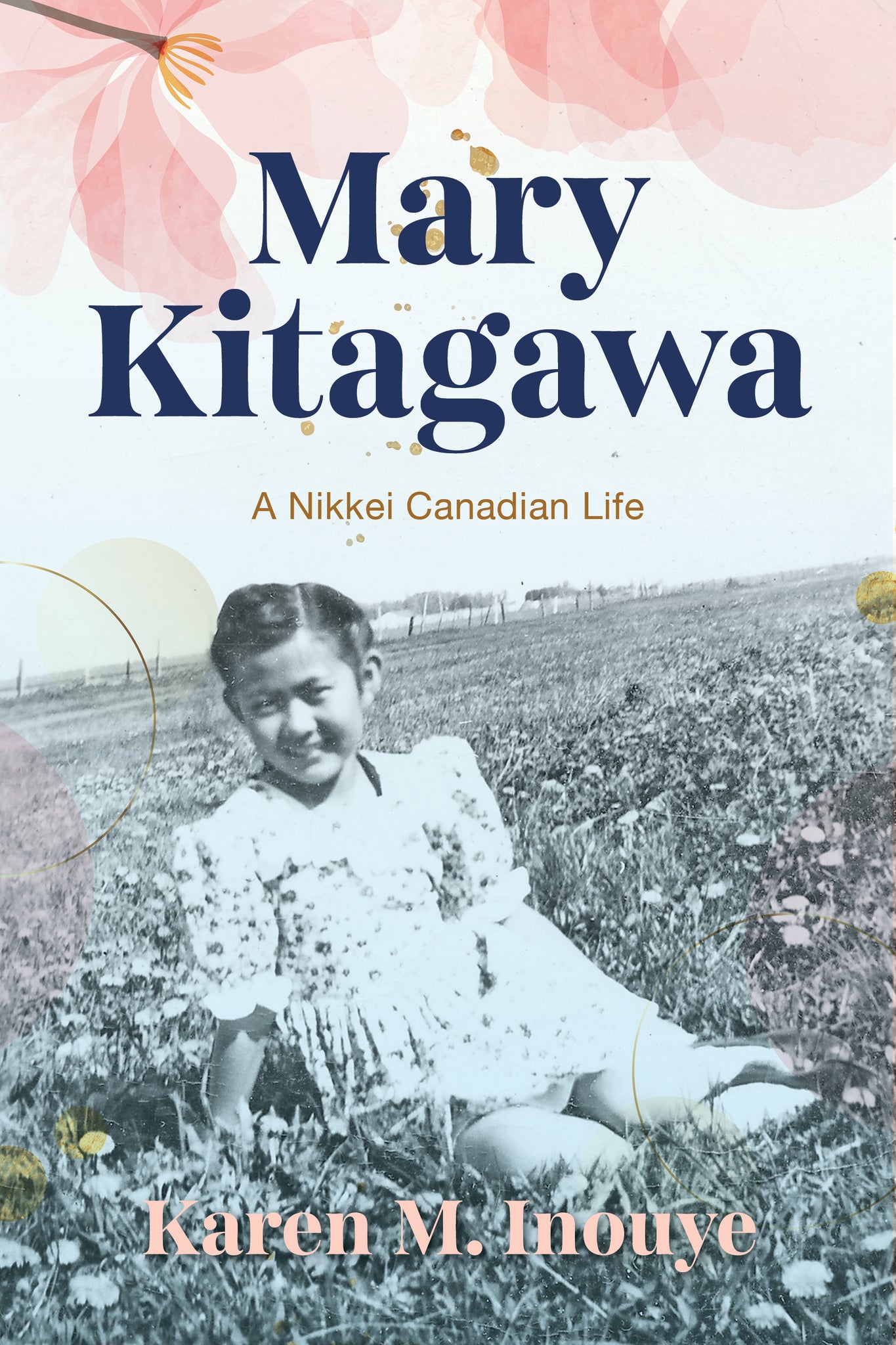
This book tells the story of Japanese Canadian activist Mary Kitagawa. In the aftermath of the Pearl Harbor bombing, Mary was one of roughly 22,000 Nikkei uprooted from their homes on the Pacific coast and forbidden to return to western British Columbia until long after World War II had officially ended. In the decades that followed, Mary and her family navigated financial precarity and ostracism, but also found ways to pursue both economic stability and political engagement. Beginning with Mary's grandparents, who were among the earliest immigrants to Canada from Japan, this book tracks the family's experiences—and those of the larger Nikkei Canadian community—from the late 1800s to the present.
Concentrating on the interpersonal and intergenerational bonds that shaped Kitagawa, Karen M. Inouye describes the increasingly activist sensibilities that arose from transformative relationships—with family members, other members of the Nikkei Canadian community, Doukhobors, First Nations peoples, and white allies—as well as in response to the anti-Asian racism that Kitagawa encountered in many forms throughout her life. Inouye presents the Nikkei Canadian experience not as a linear triumph over a single adversity, but as a continual process of identity formation in relation to obstacles and opportunities, suffering and joy, isolation and connection.


"A childhood scarred by racism and wartime incarceration turned Mary Kitagawa into a fierce advocate for human rights and social justice. Her profound and moving story provides an invaluable window into Japanese Canadian history and experience. At a time of resurgent anti-Asian racism and xenophobia, this book needs to be read." —Christopher Lee, co-editor of Tracing the Lines: Reflections on Cultural Politics in Honour of Roy Miki
"Karen M. Inouye's book is indeed, as promised, a Nikkei Canadian life. Inouye's portrait of Mary Kitagawa's career offers an excellent touchstone for understandingthe collectiveexperience of Japanese Canadians: their unjust wartime confinement,and the long postwar reckoning that they went through with the trauma caused by those events." —Greg Robinson, author of The Unknown Great: Stories of Japanese Americans at the Margins of History
"In Mary Kitagawa: A Nikkei Canadian Life, Karen M. Inouye presents a richly detailed description of the life of a legendary Japanese Canadian woman, Keiko Mary (Murakami) Kitagawa. Notwithstanding its title, however, Mary Kitagawa is not the story of one woman alone. Inouye sensitively and skillfully situates Mary's life within that of her ancestors: the Murakamis and the Okanos, as they cross time and space in a racist, white settler colonial society." —Pamela Sugiman, American Historical Review
1. Nikkei Canadian Lives before World War II
2. An Uprooted Childhood
3. Sensing Right and Wrong in Internal Exile
4. College and the Beginnings of Political Self-Awareness
5. Transformational Relationships
Afterword