


Some error occured while loading the Quick View. Please close the Quick View and try reloading the page.
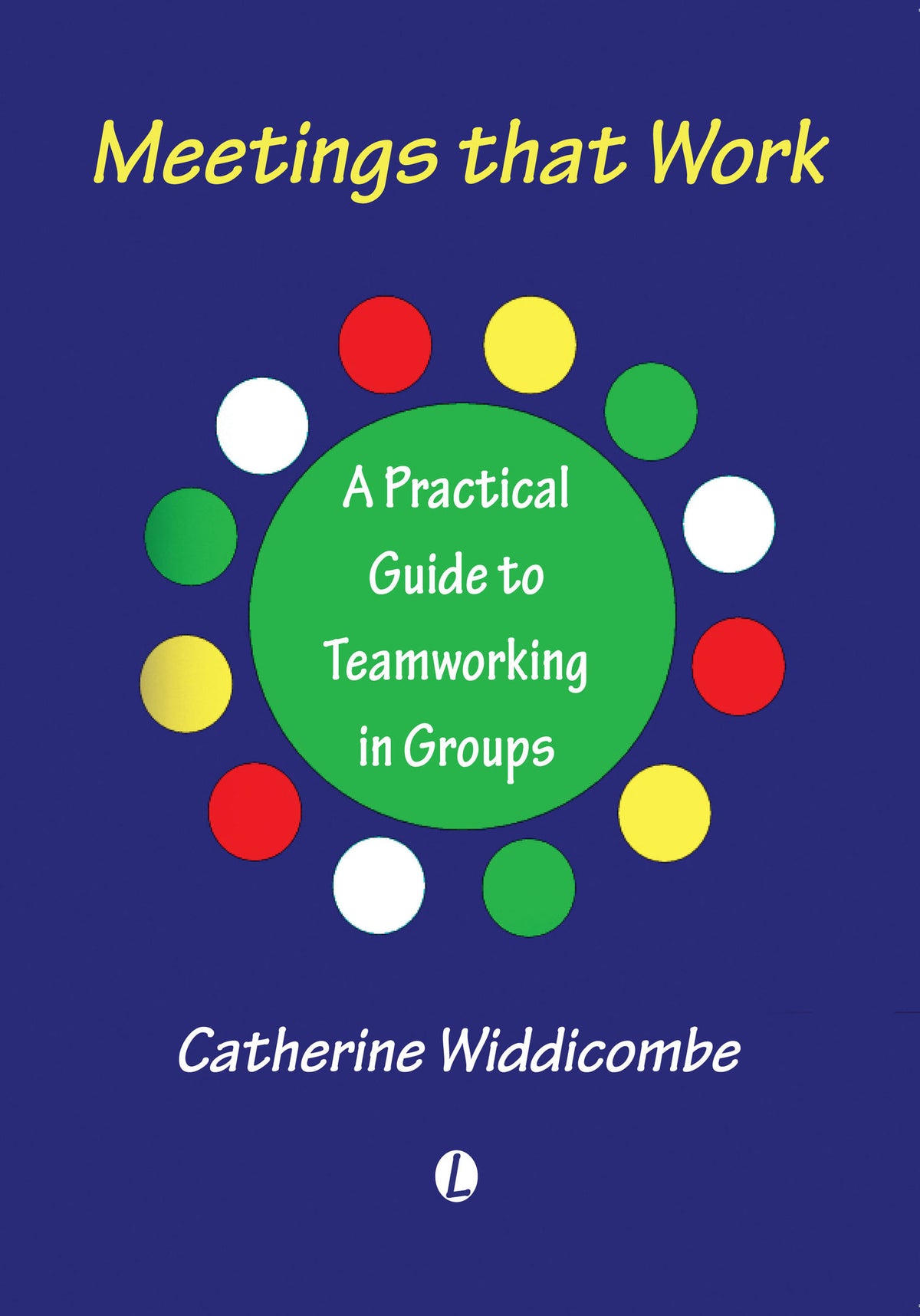
An invaluable 'how-to' guide for anyone who needs to organise, chair or contribute to meetings or discussions.
How do I establish a group? What is the best way to prepare a meeting? How should we arrange the seating? Help! I need to chair a meeting. What should I do? What sort of minutes should we keep? How can we deal with a diffi cult member? Can we remotivate someone who has lost interest? These are just some of the many questions dealt with in Catherine Widdicombe's Meetings that Work.
A plethora of meetings and committees is one of the inescapable features of modern life. From small businesses to multinational corporations, from large charities to small voluntary organisations, from training courses to statutory services, from professional societies to church groups, from community organisations to political pressure groups, meetings are endemic. Meetings help society to move forward; they provide a vital medium for disseminating information and for decision-making. But, vital though they are, they can be deadening, rather than life-giving. Meetings that Work is a vital aid to helping make meetings of all sorts realise their full potential for development and enjoyment.
Meetings that Work is a 'how-to' guide, a manual and helpmate, arranged to enable the reader to focus on what is specifically needed for a particular group or situation. Based on more than two decades of practical experience, the book is an invaluable vade mecum for all who attend or chair meetings.
How do I establish a group? What is the best way to prepare a meeting? How should we arrange the seating? Help! I need to chair a meeting. What should I do? What sort of minutes should we keep? How can we deal with a diffi cult member? Can we remotivate someone who has lost interest? These are just some of the many questions dealt with in Catherine Widdicombe's Meetings that Work.
A plethora of meetings and committees is one of the inescapable features of modern life. From small businesses to multinational corporations, from large charities to small voluntary organisations, from training courses to statutory services, from professional societies to church groups, from community organisations to political pressure groups, meetings are endemic. Meetings help society to move forward; they provide a vital medium for disseminating information and for decision-making. But, vital though they are, they can be deadening, rather than life-giving. Meetings that Work is a vital aid to helping make meetings of all sorts realise their full potential for development and enjoyment.
Meetings that Work is a 'how-to' guide, a manual and helpmate, arranged to enable the reader to focus on what is specifically needed for a particular group or situation. Based on more than two decades of practical experience, the book is an invaluable vade mecum for all who attend or chair meetings.

Price: $29.99
Pages: 204
Publisher: Boydell & Brewer Inc.
Imprint: Lutterworth Press
Publication Date:
28 March 2013
Trim Size: 9.61 X 6.69 in
ISBN: 9780718830014
Format: Paperback
BISACs:
BUSINESS & ECONOMICS / Management

Introduction
Part 1: Establishing and re-establishing a group
Part 2: Before a meeting
Part 3: Conducting a meeting
Part 4: After and between meetings
Part 5: Facing common problems
Part 6: Specific application
Part 7: Training yourself and others
Conclusion
Bibliography
Index
Index of Names
Part 1: Establishing and re-establishing a group
Part 2: Before a meeting
Part 3: Conducting a meeting
Part 4: After and between meetings
Part 5: Facing common problems
Part 6: Specific application
Part 7: Training yourself and others
Conclusion
Bibliography
Index
Index of Names