


Some error occured while loading the Quick View. Please close the Quick View and try reloading the page.
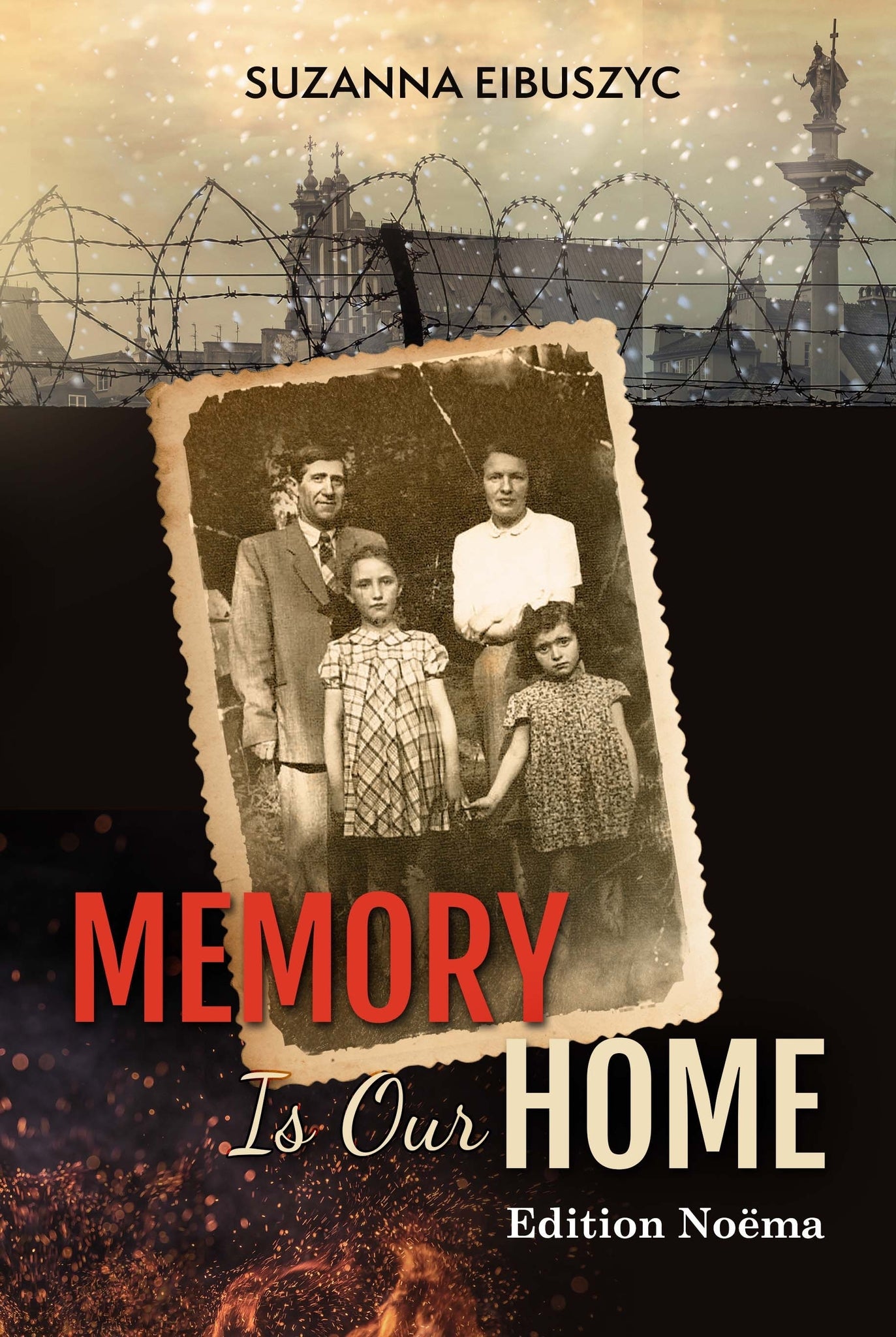
Memory is Our Home is a powerful biographical memoir based on the diaries of Roma Talasiewicz-Eibuszyc, who was born in Warsaw before the end of World War I, grew up during the interwar period and who, after escaping the atrocities of World War II, was able to survive in the vast territories of Soviet Russia and Uzbekistan.
Translated by her own daughter, interweaving her own recollections as her family made a new life in the shadows of the Holocaust in Communist Poland after the war and into the late 1960s, this book is a rich, living document, a riveting account of a vibrant young woman’s courage and endurance.
A forty-year recollection of love and loss, of hopes and dreams for a better world, it provides richly-textured accounts of the physical and emotional lives of Jews in Warsaw and of survival during World War II throughout Russia. This book, narrated in a compelling, unique voice through two generations, is the proverbial candle needed to keep memory alive.


— Marcy Dermansky, author of the Bad Marie
This Memoir fascinates from the early paragraphs. … Rarely has a book been written that pencils so bleak a portrait of the Poland that had been cloaked in the secrecy of life under Germany’s iron fist. Even for those who lived those years in the rest of occupied Europe it presents an unfamiliar, stark black and white vision of hell.
— Rudy Rosenberg, author of And Somehow We Survive
Memory is Our Home underscores the importance of remembering and giving voice to victims in order to restore their dignity by validating their memories. The book powerfully conveys the need and responsibility to preserve one’s identity and heritage and to tell the story of a once-vibrant cultural life destroyed in the course of the Holocaust. Equally important, it also calls upon readers to keep the memory of past atrocities alive as a way of preventing future injustices
— Tanya Narozhna, Associate Professor, Department of Political Science, University of Winnipeg