


Some error occured while loading the Quick View. Please close the Quick View and try reloading the page.
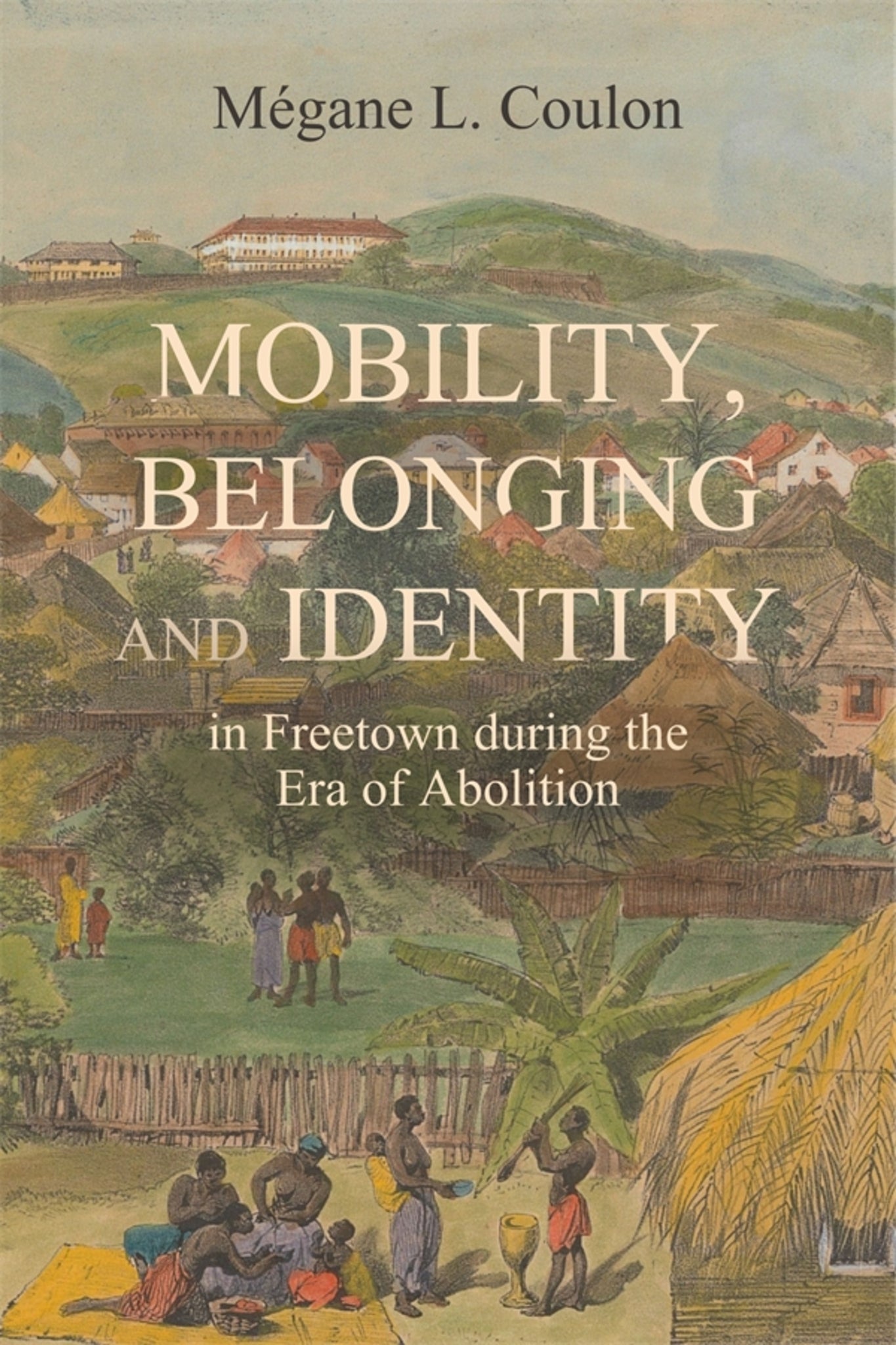
Depicts Freetown not as a society defined solely by 'Liberated Africans', but as a diverse urban world where multiple populations negotiated identity, belonging and opportunity.
This book is a social history of Freetown in the British colony of Sierra Leone during the mid‑nineteenth century, a period of rapid settlement and demographic change. It contributes to the history of forced displacement in the age of abolition and empire while engaging with emerging Digital Humanities scholarship that seeks to recover the lives of enslaved people. Across the long nineteenth century, more than 700,000 individuals enslaved in Africa were emancipated through legal processes at sea, on land and by seeking asylum at European consulates in the Atlantic world, the Ottoman Empire and North Africa. Of these, approximately 104,000 'Liberated Africans' disembarked in the colony Sierra Leone, making the colony one of the largest centres of these relocations. Drawing on life histories and testimonies, the study reconstructs the complex trajectories of people who moved between Atlantic and African worlds. It highlights the varied experiences of African men, women and children who were forcibly displaced yet forged new lives in the colony.
At the same time, it situates their arrival within a broader, social landscape shaped by long‑established communities, Muslim merchants, Temne, Loko, Limba and other groups, whose own histories, networks and aspirations intersected with those of formerly enslaved people. Freetown thus emerges not as a society defined solely by 'Liberated Africans', but as a diverse and evolving urban world in which multiple populations negotiated identity, belonging and opportunity. The various stories discussed in this book reveal how freedom and coercion coexisted, and how individuals navigated shifting forms of labour, kinship and mobility. By examining how different areas of Freetown were reshaped by settlement, the book traces the emergence of new social structures, commercial networks and patterns of migration.
This book is a social history of Freetown in the British colony of Sierra Leone during the mid‑nineteenth century, a period of rapid settlement and demographic change. It contributes to the history of forced displacement in the age of abolition and empire while engaging with emerging Digital Humanities scholarship that seeks to recover the lives of enslaved people. Across the long nineteenth century, more than 700,000 individuals enslaved in Africa were emancipated through legal processes at sea, on land and by seeking asylum at European consulates in the Atlantic world, the Ottoman Empire and North Africa. Of these, approximately 104,000 'Liberated Africans' disembarked in the colony Sierra Leone, making the colony one of the largest centres of these relocations. Drawing on life histories and testimonies, the study reconstructs the complex trajectories of people who moved between Atlantic and African worlds. It highlights the varied experiences of African men, women and children who were forcibly displaced yet forged new lives in the colony.
At the same time, it situates their arrival within a broader, social landscape shaped by long‑established communities, Muslim merchants, Temne, Loko, Limba and other groups, whose own histories, networks and aspirations intersected with those of formerly enslaved people. Freetown thus emerges not as a society defined solely by 'Liberated Africans', but as a diverse and evolving urban world in which multiple populations negotiated identity, belonging and opportunity. The various stories discussed in this book reveal how freedom and coercion coexisted, and how individuals navigated shifting forms of labour, kinship and mobility. By examining how different areas of Freetown were reshaped by settlement, the book traces the emergence of new social structures, commercial networks and patterns of migration.

Price: $29.99
Pages: 262
Publisher: Boydell & Brewer Inc.
Imprint: Boydell Press
Publication Date:
20 October 2026
Trim Size: 9.21 X 6.14 in
ISBN: 9781837653072
Format: Paperback
BISACs:
HISTORY / Africa / General, African history, BUSINESS & ECONOMICS / Economic History, HISTORY / Modern / 19th Century, Colonialism and imperialism, Slavery and abolition of slavery, Migration, immigration and emigration

Notes on the text
Introduction
1. The Framework of Abolition
2. Free and Coerced Settlements
3. The Economic and Social Profile of Freetown
4. Kinship in the aftermath of displacement
5. Trade, Kinship, and the Afterlives of Slavery
6. The Public Sphere and Cultural Expression
Conclusion
Appendices
Introduction
1. The Framework of Abolition
2. Free and Coerced Settlements
3. The Economic and Social Profile of Freetown
4. Kinship in the aftermath of displacement
5. Trade, Kinship, and the Afterlives of Slavery
6. The Public Sphere and Cultural Expression
Conclusion
Appendices