


Some error occured while loading the Quick View. Please close the Quick View and try reloading the page.
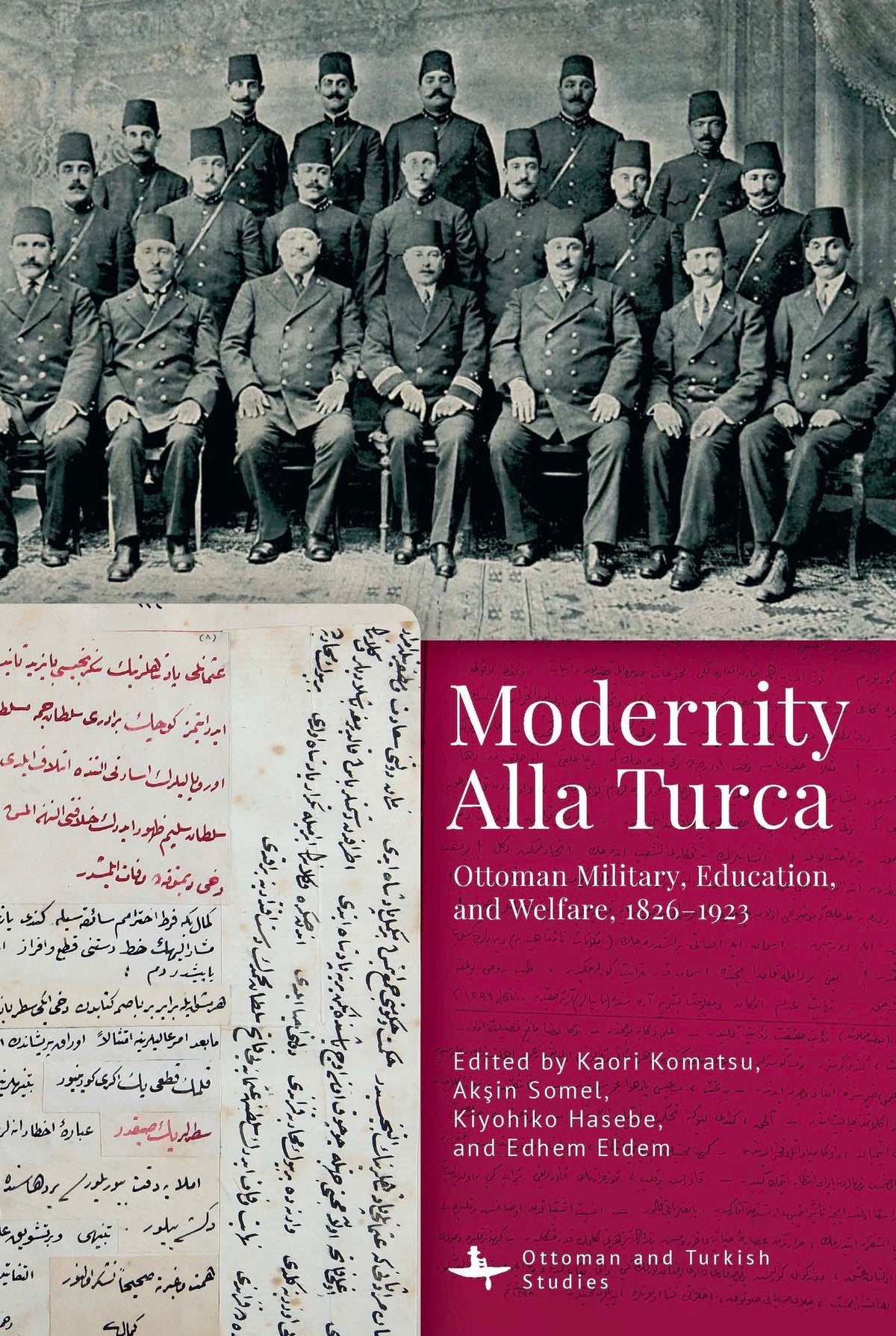
A scholarly study of the late Ottoman Empire's unique experiment of modernization that provides an alternative understanding of nineteenth-century world history.
Modernity Alla Turca: Ottoman Military, Education, and Welfare, 1826–1923 focuses on the complex issue of modernity and change in the Ottoman Empire, a non-Western state facing European imperialism. It analyses three specific areas of transformation: the military, education, and welfare, which were central to the process of modernization in the age of capitalist globalization. The state-sponsored reform measures directed toward these sectors had already been present in previous centuries. These circumstances created patterns of both resistance and accommodation among the population, which in turn contributed to the inconsistent quality of Ottoman reforms. This unique experiment of modernization makes it all the more important to understand the extent to which the innovations represented a radical break with the past.


“There is no single blueprint for modernity. This book reframes the story of modernity in the context of the late Ottoman Empire. Confronting internal fractures and institutional strain, Ottoman reformers did not just mirror the West. They reshaped science, education, and state agencies to fit their own history and values. From military overhauls to early ideas of social welfare, Ottoman and later Turkish modernity was not just imported wholesale but also negotiated and created. This is an occasion for us to rethink modernity, and its many faces, each marked by local trials and challenges.”
- Seyfi Kenan, Marmara University
Selçuk Akşin Somel is a retired historian previously teaching at Sabancı University Faculty of Arts and Social Sciences (Istanbul). His research interests include nineteenth century Ottoman education; women and gender during Ottoman reform era; the relationship between the imperial center and peripheral populations; nationalism in the Balkans; biographies of Ottoman politicians.
Kiyohiko Hasebe serves as an Expert Advisor to Japan’s Ministry of Education, contributing to the authorization of high school history textbooks. He teaches at Waseda University and other universities. His research focuses on Ottoman educational history, global education history, and the history of Japan–Turkey relations.
Edhem Eldem is a historian of the Ottoman Empire in the nineteenth century, focusing on Ottoman funerary epigraphy, the development of an urban bourgeoisie in Istanbul, the history of the Imperial Ottoman Bank, the history of archaeology and photography in the Ottoman Empire, late Ottoman first-person narratives, Ottoman Westernization and Orientalism.