


Some error occured while loading the Quick View. Please close the Quick View and try reloading the page.
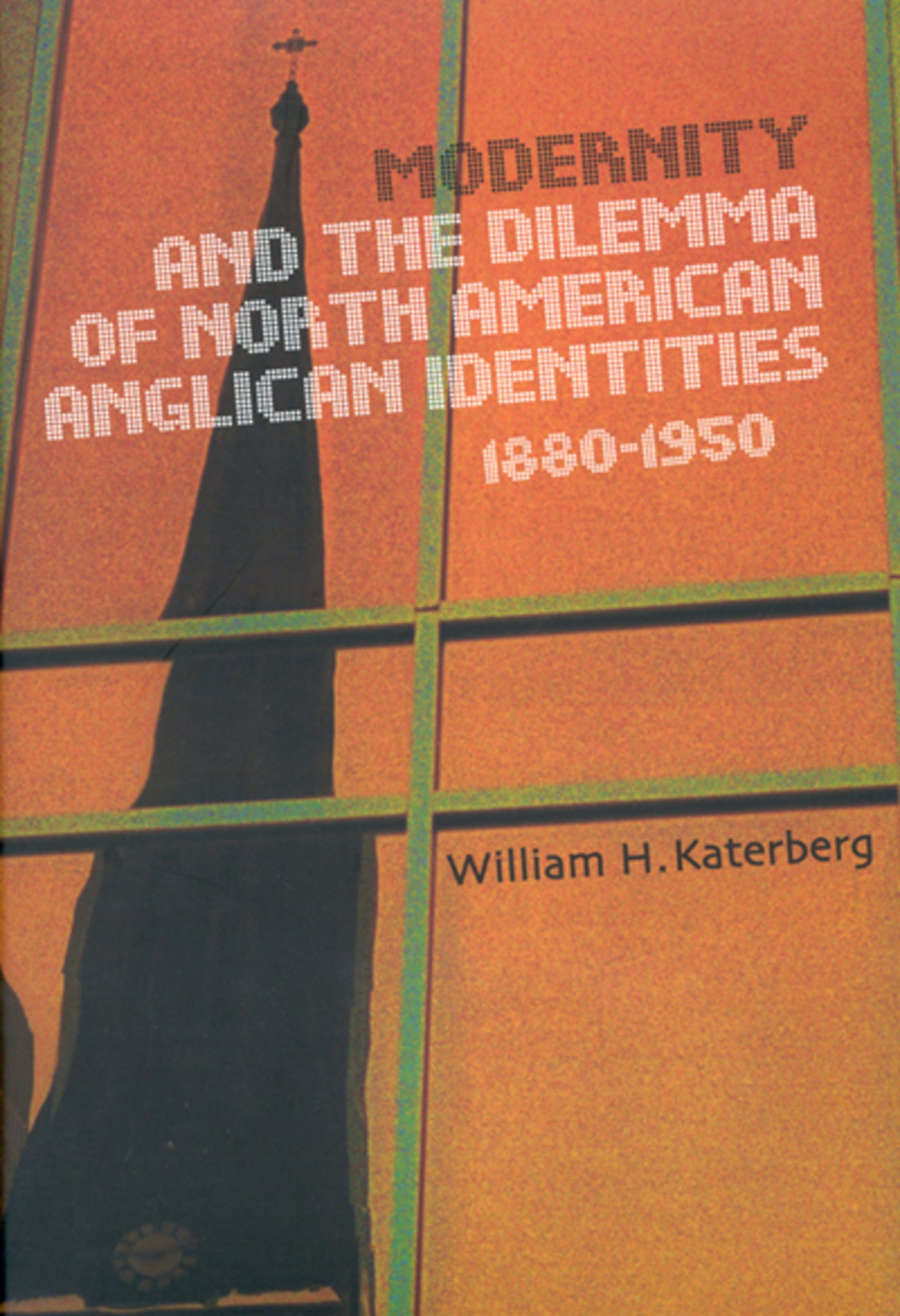
He describes the life and work of five leaders in the Anglican Church in Canada and the Episcopal Church in the United States who came of age in the late nineteenth century and served their religious communities until the mid-twentieth century. As clergy and educators they hoped to root the faith of modern Anglicans/Episcopalians in past traditions to provide a compelling spiritual purpose and identity for the present and the future. Their attempts to articulate a historical basis for Anglican unity and Christian ecumenism often had contradictory and even sectarian results. Modernity and the Dilemma of North American Anglican Identities, 1880-1950 offers historians and scholars of religion and culture in North America a comparative perspective and a new way to understand how a previous generation looked to the past to address the dilemmas of an uncertain present and future.

Price: $110.00
Publisher: McGill-Queen's University Press
Imprint: McGill-Queen's University Press
Series: McGill-Queen's Studies in the History of Religion
Publication Date:
23 April 2001
ISBN: 9780773569034
Format: eBook
BISACs:
RELIGION / Christianity / Episcopalian, RELIGION / Christianity / Anglican

"A very important book in North American religious history. The fact that Katerberg has taken up a church in which the composition of religious materials was quite different makes an important contribution to the scholarly literature. He addresses these issues within a cultural framework that purposely avoids the many pitfalls of the secularization thesis. Indeed, his critique of the secularization model is one of the strongest theoretical features of this book." William Westfall, Department of History, York University