


Some error occured while loading the Quick View. Please close the Quick View and try reloading the page.
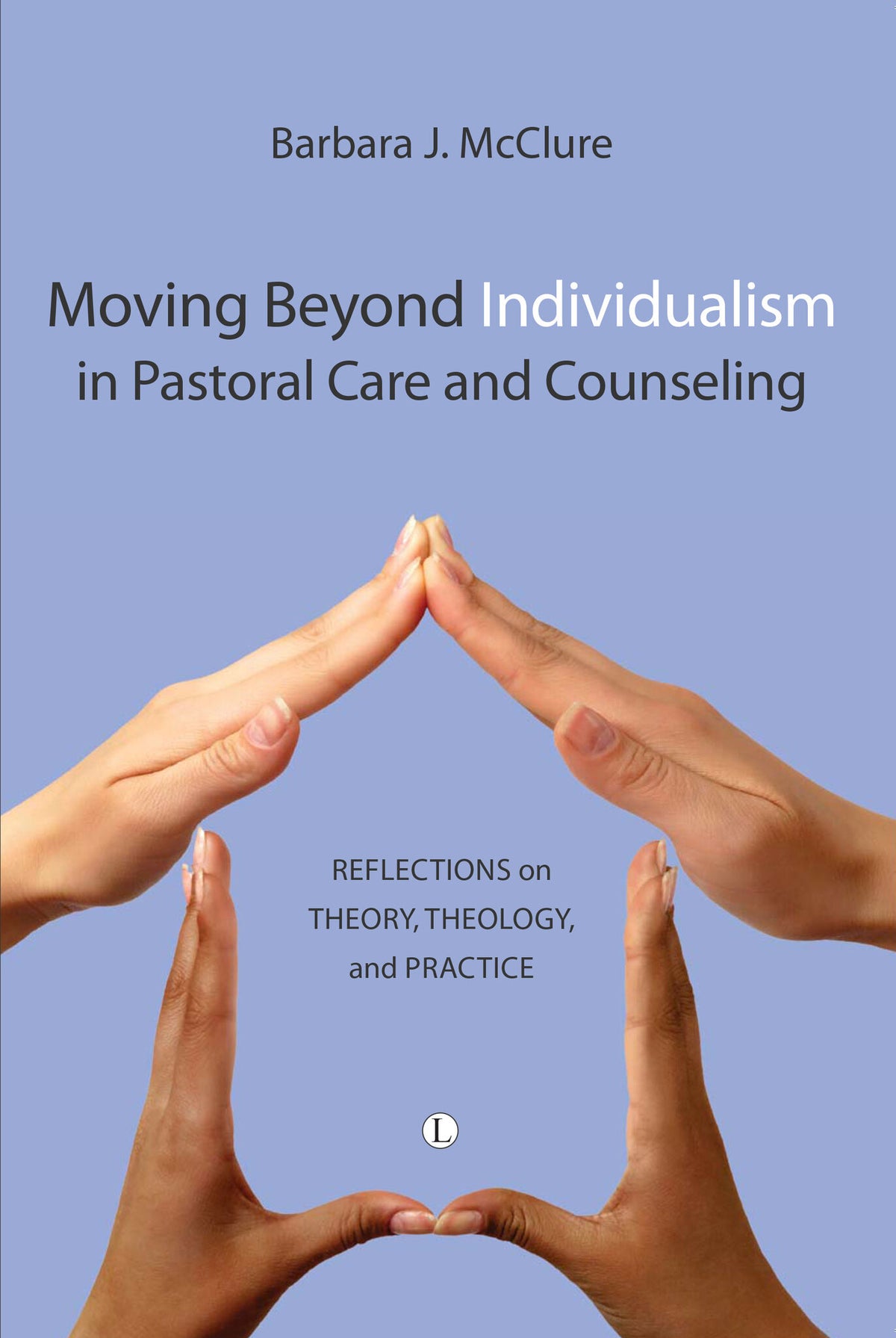
A closely argued critique of the individualistic ethos in pastoral counselling, offering constructive suggestions for reforming both theory and practice.
Despite astute critiques and available resources for alternative modes of thinking and practicing, individualism continues to be a dominating and constraining ideology in the field of pastoral psychotherapy and counseling. Philip Rieff was one of the first to highlight the negative implications of individualism in psychotherapeutic theories and practices. As heirs and often enthusiasts of the Freudian tradition of which Rieff and others are critical, pastoral theologians have felt the sting of his charge, and yet the empirical research that McClure presents shows that pastoral-counseling practitioners resist change. Their attempts to overcome an individualistic perspective have been limited and ineffective because individualism is embedded in the field's dominant theological and theoretical resources, practices, and organizational arrangements. Only a radical reappraisal of these will make possible pastoral counseling practices in a post-individualistic mode. McClure proposes several critical transformations: broadening and deepening the operative theologies used to guide the healing practice, expanding the role of the pastoral counselor, reimagining the operative anthropology, reclaiming sin and judgment, nuancing the particular against the individual, rethinking the ideal outcome of the practices, and reimagining the organizational structures that support the practices. Only this level of revisioning will enable this ministry of the church to move beyond its individualistic limitations and offer healing in more complex, effective, and socially adequate ways.
Despite astute critiques and available resources for alternative modes of thinking and practicing, individualism continues to be a dominating and constraining ideology in the field of pastoral psychotherapy and counseling. Philip Rieff was one of the first to highlight the negative implications of individualism in psychotherapeutic theories and practices. As heirs and often enthusiasts of the Freudian tradition of which Rieff and others are critical, pastoral theologians have felt the sting of his charge, and yet the empirical research that McClure presents shows that pastoral-counseling practitioners resist change. Their attempts to overcome an individualistic perspective have been limited and ineffective because individualism is embedded in the field's dominant theological and theoretical resources, practices, and organizational arrangements. Only a radical reappraisal of these will make possible pastoral counseling practices in a post-individualistic mode. McClure proposes several critical transformations: broadening and deepening the operative theologies used to guide the healing practice, expanding the role of the pastoral counselor, reimagining the operative anthropology, reclaiming sin and judgment, nuancing the particular against the individual, rethinking the ideal outcome of the practices, and reimagining the organizational structures that support the practices. Only this level of revisioning will enable this ministry of the church to move beyond its individualistic limitations and offer healing in more complex, effective, and socially adequate ways.

Price: $36.95
Pages: 304
Publisher: Boydell & Brewer Inc.
Imprint: Lutterworth Press
Publication Date:
27 October 2011
Trim Size: 9.02 X 6.02 in
ISBN: 9780718892456
Format: Paperback
BISACs:
RELIGION / Christian Theology / General

McClure makes important point with passion, determination, and rigour.
— Revd. Jenny Francis: Church Times, 13/07/2012.
This book is a stimulating and informative read. It poses a fundamental challenge to all who participate in the activity of pastoral care: 'Does this engagement with the individual make any difference?' [...] The book asks what it means to care as it struggles to connect social theory, psychology, theological reflection, and caring practices. McClure's scholarship guides the reader with an admirable ability to be clear and concise. [...] I hope with others that this book will accelerate an important paradigm shift to move beyond individualistic ideologies in supporting persons to become more healthy and whole.
— James Woodward
— Revd. Jenny Francis: Church Times, 13/07/2012.
This book is a stimulating and informative read. It poses a fundamental challenge to all who participate in the activity of pastoral care: 'Does this engagement with the individual make any difference?' [...] The book asks what it means to care as it struggles to connect social theory, psychology, theological reflection, and caring practices. McClure's scholarship guides the reader with an admirable ability to be clear and concise. [...] I hope with others that this book will accelerate an important paradigm shift to move beyond individualistic ideologies in supporting persons to become more healthy and whole.
— James Woodward
Acknowledgements
Introduction
Part One: The Development of Pastoral Care and Counseling as a Professionalized Practice
1. Contemporary Pastoral Care and Counseling: Definitions of Terms and Descriptions of Practices
2. The Development of Professionalized Care and Counseling in the U.S.: History and Sociocultural Context
3. Limits and Costs of the Current Model
Part Two: Accounting for Individualism's Persistence in Pastoral Theology, Care, and Counseling
4. Examination of Theory, Theology, and Organizational Arrangements
Part Three: Moving Beyond Individualism in Pastoral Care and Counseling: Theoretical, Theological, Practical, and Organizational Proposals
5. Imagining a Synergistic Relationship between Persons and Society
6. A Broader Mission for Pastoral Theology, Care, and Counseling: From Insight to Engagement
7. Proposals for the Field of Pastoral Theology: Aligning Mission with Theory, Theology, and Practice
Appendix: Methodology and Research Protocol
Bibliography
Index
Introduction
Part One: The Development of Pastoral Care and Counseling as a Professionalized Practice
1. Contemporary Pastoral Care and Counseling: Definitions of Terms and Descriptions of Practices
2. The Development of Professionalized Care and Counseling in the U.S.: History and Sociocultural Context
3. Limits and Costs of the Current Model
Part Two: Accounting for Individualism's Persistence in Pastoral Theology, Care, and Counseling
4. Examination of Theory, Theology, and Organizational Arrangements
Part Three: Moving Beyond Individualism in Pastoral Care and Counseling: Theoretical, Theological, Practical, and Organizational Proposals
5. Imagining a Synergistic Relationship between Persons and Society
6. A Broader Mission for Pastoral Theology, Care, and Counseling: From Insight to Engagement
7. Proposals for the Field of Pastoral Theology: Aligning Mission with Theory, Theology, and Practice
Appendix: Methodology and Research Protocol
Bibliography
Index