


Some error occured while loading the Quick View. Please close the Quick View and try reloading the page.
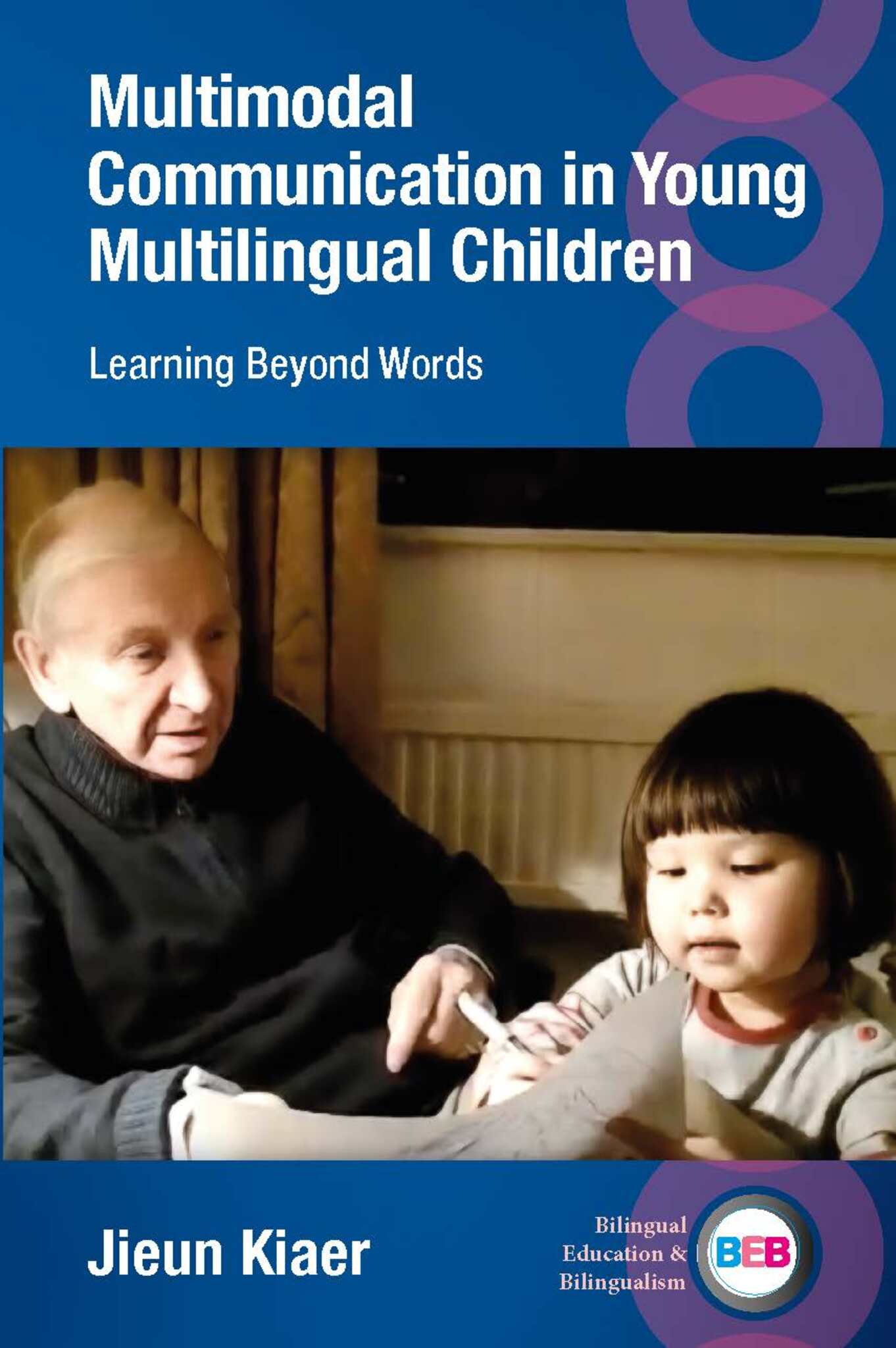
This book explores young children's language acquisition in multilingual households through an original longitudinal study of the author's own children and interviews with members of other Korean-English families. The study investigates how multilingual children not only acquire multiple languages (verbal communication) but also acquire multiple strategies of non-verbal communication. In the process, it is also revealed that parents learn from children, collaboratively shaping the language of their family together in a manner that is between and beyond languages and cultures. The book explores the different types and frequency of non-verbal behaviours acquired by multilingual children and reveals how multilingual families use a range of multimodal resources to communicate effectively in a way that creates solidarity. The results of this longitudinal study are discussed within the paradigm of translanguaging and provide insight into an underrepresented multilingual population. With accompanying online videos, this book offers rich multimodal family interaction data for students and researchers interested in multilingualism, family language practices, and first and second language acquisition.


Kiaer provides an extremely rare and valuable insight into how multilingual families interact using multimodal, non-verbal expressions. The book explains why it is critical to foster more caring, nurturing and accepting translanguaging cultures at home, in schools, in our communities and throughout society. It is a must-read for teachers, scholars and teacher educators seeking ideas for cultivating translanguaging competence through ongoing co-learning among children, parents, teachers and technology.
The monograph takes multilingual children’s language development research to a new level. It integrates the latest conceptual perspectives of translanguaging and multimodality and foregrounds the often forgotten role of family, emotion, sibling and culture in language learning by children growing up in a transnational family. It is written with passion and dedication. It will be a must-read for anyone interested in language development of multilingual children.
Jieun Kiaer is Professor of Korean Linguistics at the University of Oxford, UK. Her research focuses on language acquisition and translanguaging, and her recent publications include Young Children’s Foreign Language Anxiety: The Case of South Korea (with Jessica M. Morgan-Brown and Naya Choi, Multilingual Matters, 2021).
Figures
Acknowledgements
Notes on Romanisation
Notes on Videos
Preface
Chapter 1. Everyday Talk: Beyond Languages and Cultures
Chapter 2. Linguistic Tapestry of a Multilingual Family
Chapter 3. Learning Together: A Case Study
Chapter 4. Attitudes and Emotions
Chapter 5. Politeness Matters
Chapter 6. Talking with Parents
Chapter 7. Talking with Grandparents, Wider Family, and Carers
Chapter 8. Sibling and Peer Talk
Epilogue: Towards a Culture of Translanguaging
References
Index