


Some error occured while loading the Quick View. Please close the Quick View and try reloading the page.
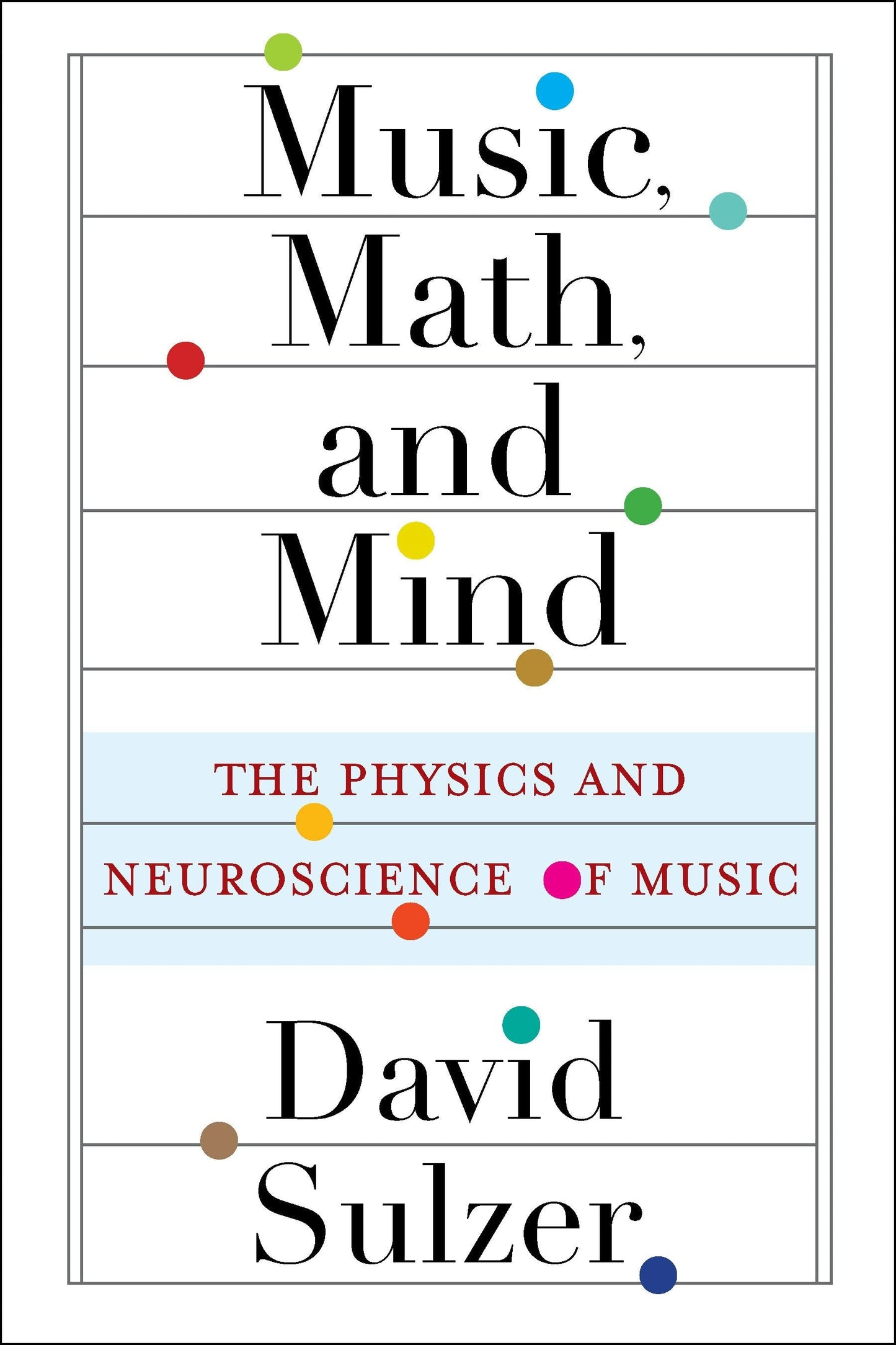
Why does a clarinet play at lower pitches than a flute? What does it mean for sounds to be in or out of tune? How are emotions carried by music? Do other animals perceive sound like we do? How might a musician use math to come up with new ideas?
This book offers a lively exploration of the mathematics, physics, and neuroscience that underlie music in a way that readers without scientific background can follow. David Sulzer, also known in the musical world as Dave Soldier, explains why the perception of music encompasses the physics of sound, the functions of the ear and deep-brain auditory pathways, and the physiology of emotion. He delves into topics such as the math by which musical scales, rhythms, tuning, and harmonies are derived, from the days of Pythagoras to technological manipulation of sound waves. Sulzer ranges from styles from around the world to canonical composers to hip-hop, the history of experimental music, and animal sound by songbirds, cetaceans, bats, and insects. He makes accessible a vast range of material, helping readers discover the universal principles behind the music they find meaningful.
Written for musicians and music lovers with any level of science and math proficiency, including none, Music, Math, and Mind demystifies how music works while testifying to its beauty and wonder.


Nota Bene
Introduction
1. The Parameters of Sound
2. The Math of Pitch, Scales, and Harmony
3. Waves and Harmonics
4. The Math of Sound and Resonance
5. Math and Rhythmic Structure
Centerpiece: The Sense of Hearing
6. Brain Mechanisms of Rhythm
7. Neural Mechanisms of Emotion
8. Ear Physiology: How Air Waves Become Sound
9. Deep Brain Physiology of Sound
10. Sound Disorders, Illusions, and Hallucinations
11. Animal Sound, Song, and Music
Acknowledgments
Appendix 1: Musical Pitch to Frequency Table
Appendix 2: Further Reading
Bibliography
Author’s Selected Compositions and Discography
Index