


Some error occured while loading the Quick View. Please close the Quick View and try reloading the page.
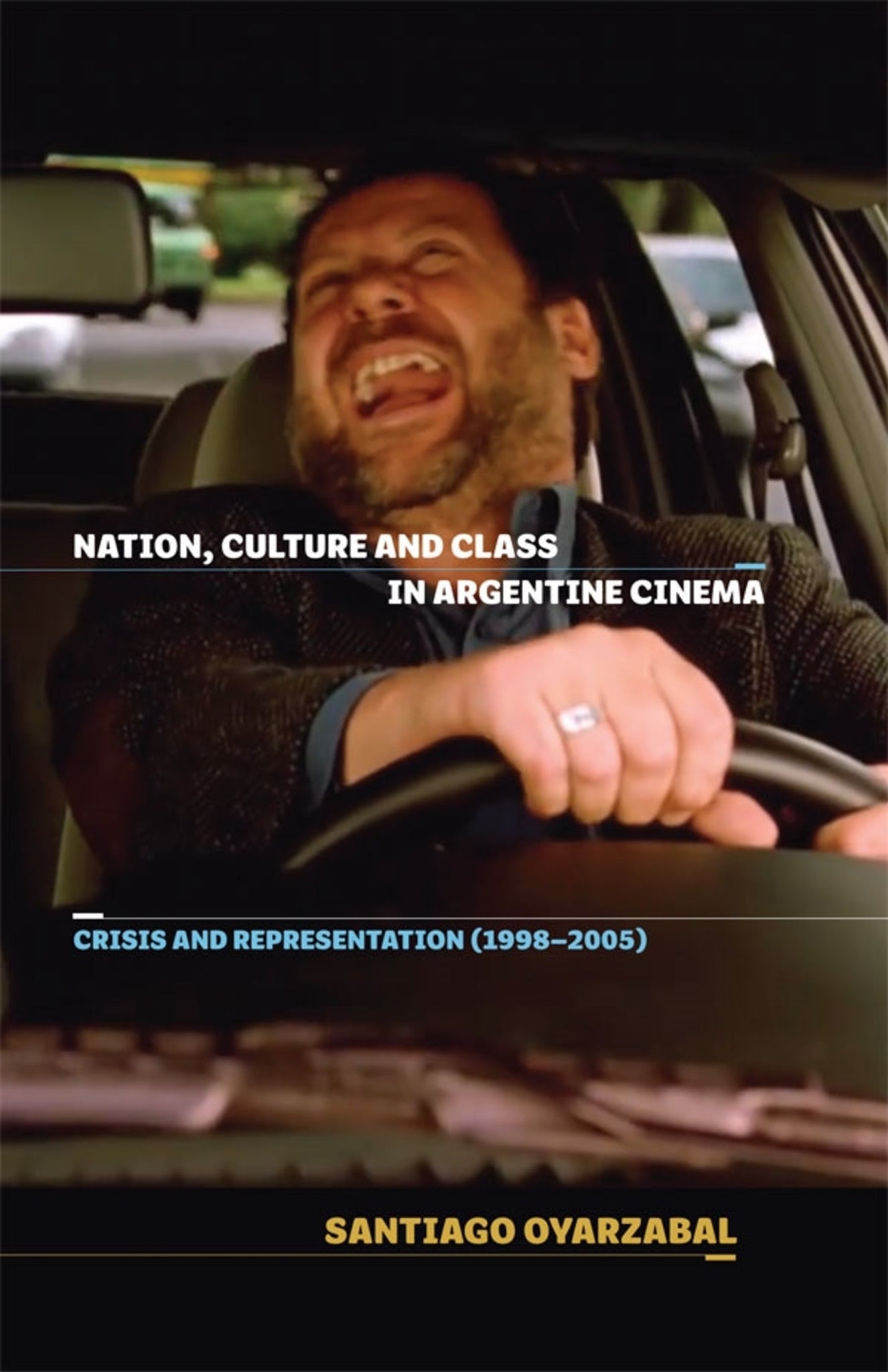
An unprecedented close textual analysis of numerous films within their contemporary cultural context.
This book engages with representations of social crisis in Argentine fictional cinema between 1998 and 2005, a period when Argentina experienced a deep economic crisis that brought about significant changes in politics, culture, society and the arts. It focuses on the ways in which cinema interpreted and represented both contemporary and long-established issues within national and social discourse, while re-assessing notions of national identity, culture and class.
Despite a growing body of scholarship on Argentine film published in English over the past few years, the role of more conventional films aimed at the public at large remains underexplored. By combining close textual analysis of films with the study of their cultural context, this book argues that fictional cinema at large addressed predominantly middle-class audiences, offering both reflective and divergent views on social reality that enriched the cultural arena in which Argentineans could reflect on their past, their daily life, and their relationship with the other. In this sense cinema helped Argentine people to learn to live in democracy.
This book engages with representations of social crisis in Argentine fictional cinema between 1998 and 2005, a period when Argentina experienced a deep economic crisis that brought about significant changes in politics, culture, society and the arts. It focuses on the ways in which cinema interpreted and represented both contemporary and long-established issues within national and social discourse, while re-assessing notions of national identity, culture and class.
Despite a growing body of scholarship on Argentine film published in English over the past few years, the role of more conventional films aimed at the public at large remains underexplored. By combining close textual analysis of films with the study of their cultural context, this book argues that fictional cinema at large addressed predominantly middle-class audiences, offering both reflective and divergent views on social reality that enriched the cultural arena in which Argentineans could reflect on their past, their daily life, and their relationship with the other. In this sense cinema helped Argentine people to learn to live in democracy.

Price: $120.00
Pages: 198
Publisher: Boydell & Brewer Inc.
Imprint: Tamesis Books
Publication Date:
17 January 2020
Trim Size: 9.21 X 6.14 in
ISBN: 9781855663053
Format: Hardcover
BISACs:
LITERARY CRITICISM / European / Spanish & Portuguese, Literature: history and criticism, PERFORMING ARTS / Film / History & Criticism, Film history, theory or criticism

This book will be a useful resource to any student of Latin American film history. It offers a thoroughly contextualised analysis of a critical period of Argentine film production, and convincingly argues that film played a valuable role in allowing a population living through a tumultuous period to, as Oyarzabal puts it, 'come to terms with the events, the causes and the consequences of the crisis'.
In this clearly organized and readable study, Oyarzabal (Univ. of Warwick, UK) subjects selected Argentine fiction feature films -most produced from 1998 through 2005-to textual analysis while at the same time investigating the cultural and political contexts in which they were created. [...] Oyarzabal's research is in-depth and up-to-date, and most of his critical commentaries add significantly to understanding of the films and their sociocultural contexts.
In this clearly organized and readable study, Oyarzabal (Univ. of Warwick, UK) subjects selected Argentine fiction feature films -most produced from 1998 through 2005-to textual analysis while at the same time investigating the cultural and political contexts in which they were created. [...] Oyarzabal's research is in-depth and up-to-date, and most of his critical commentaries add significantly to understanding of the films and their sociocultural contexts.
List of Illustrations
Acknowledgements
Introduction
Politics, Culture and Film in 1990s Argentina
Confronting Argentineans with Their Share in the Crisis
The Old New Tricks: Re-engaging the Middle Class
Laughing It Off? Comedy and Humour in the Face of Crisis
Conclusion
Acknowledgements
Introduction
Politics, Culture and Film in 1990s Argentina
Confronting Argentineans with Their Share in the Crisis
The Old New Tricks: Re-engaging the Middle Class
Laughing It Off? Comedy and Humour in the Face of Crisis
Conclusion