


Some error occured while loading the Quick View. Please close the Quick View and try reloading the page.
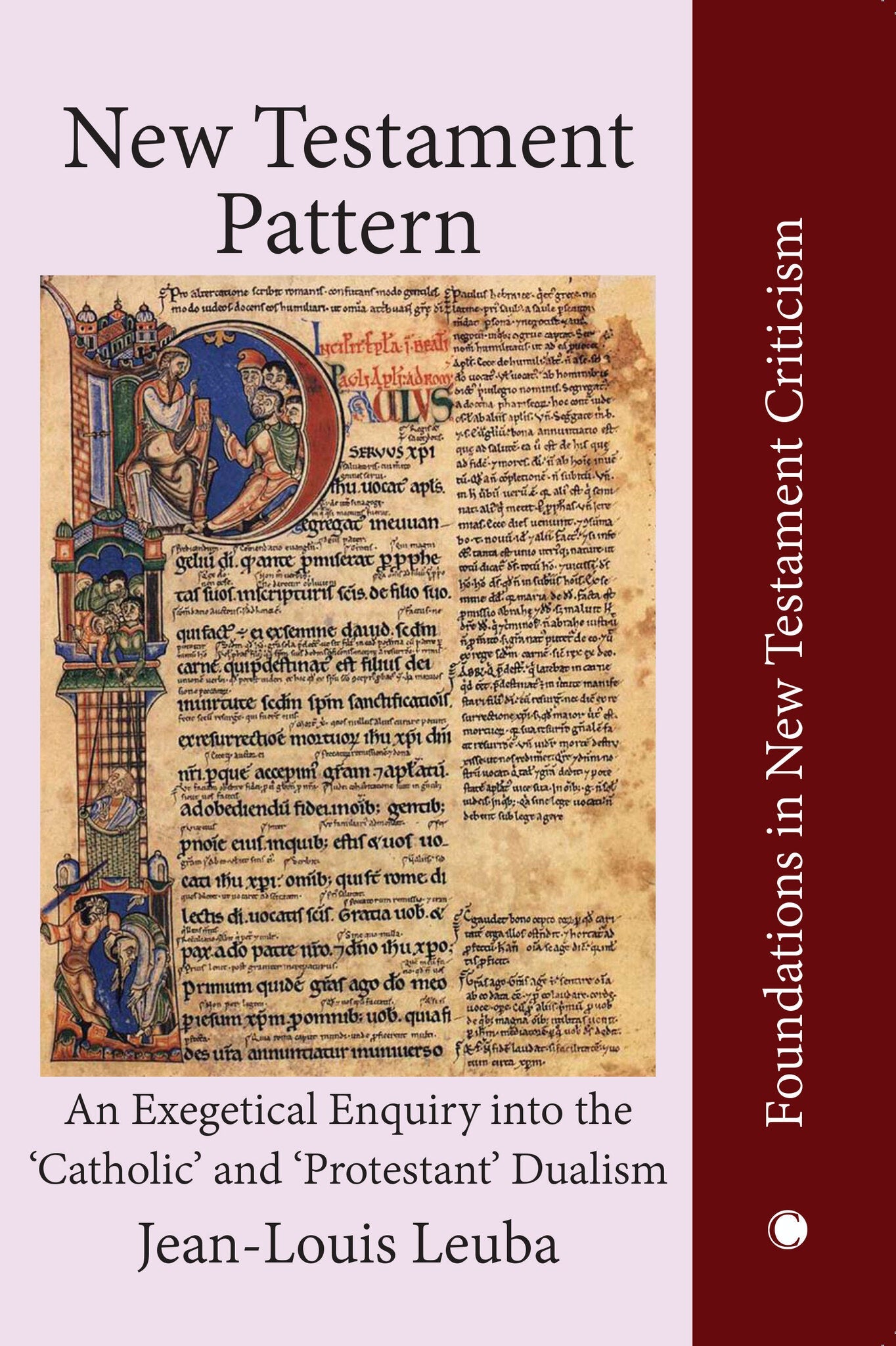
What is the nature of Christian unity? Is it Sacramental, Organic, Federal, Spiritual? These are questions that demand careful examination when different Christian traditions are drawing closer to one another in a common desire to heal the divisions that hinder the witness of the Church to the world. In any attempt to deal with these questions, full weight must be given to the evidence of the New Testament itself: what kind of unity does it reveal?
In New Testament Pattern, Jean-Louis Leuba reveals a two-fold framework of unity in the New Testament. One strand - in its witness to Christ, to the Apostles and to the Church - emphasises the institutional, traditional and particular. The other strand emphasises the personal, dynamic and universal. Yet the two strands are actually one. Their unity is more comprehensive, more creative, than any undifferentiated unity could be, with important implications for ecumenism and broader scriptural study.
In New Testament Pattern, Jean-Louis Leuba reveals a two-fold framework of unity in the New Testament. One strand - in its witness to Christ, to the Apostles and to the Church - emphasises the institutional, traditional and particular. The other strand emphasises the personal, dynamic and universal. Yet the two strands are actually one. Their unity is more comprehensive, more creative, than any undifferentiated unity could be, with important implications for ecumenism and broader scriptural study.

Price: $95.00
Pages: 168
Publisher: Boydell & Brewer Inc.
Imprint: James Clarke
Series: Foundations in New Testament Criticism
Publication Date:
23 January 2003
Trim Size: 5.98 X 8.98 in
ISBN: 9780227178560
Format: Hardcover
BISACs:
RELIGION / Biblical Studies / General, Criticism and exegesis of sacred texts, RELIGION / History, RELIGION / Comparative Religion, RELIGION / Christian Theology / General, RELIGION / Biblical Studies / New Testament / General, Bibles, History of religion, New Testaments

Dr Leuba has done his work with painstaking attention to Scriptural detail, and has developed his interpretation of the evidence with much skill and insight. There are many good points made in the course of the exposition.
— Alan M. Stibbs
Dr Leuba begins with the New Testament, and finds in it dogmatic implications of ecumenical importance. . . . [He] discovers running through every level of the New Testament theology two strands, that of the 'institution' and the 'event', two modes of God's working, idfferent, but united in his divine action. . . . The institution, says Leuba, is like a row of noughts, the event like the preceding figure 1 which makes them into a millio: divine action needs a historical embodiment, but historical institutions are nothing without the breadth of the Spirit.
— William Nicholls
— Alan M. Stibbs
Dr Leuba begins with the New Testament, and finds in it dogmatic implications of ecumenical importance. . . . [He] discovers running through every level of the New Testament theology two strands, that of the 'institution' and the 'event', two modes of God's working, idfferent, but united in his divine action. . . . The institution, says Leuba, is like a row of noughts, the event like the preceding figure 1 which makes them into a millio: divine action needs a historical embodiment, but historical institutions are nothing without the breadth of the Spirit.
— William Nicholls
Introduction
Part One: The Christ
Chapter 1. Christological Dualism
1. The Two Categories of Titles of Jesus: Institutional and Spiritual
2. Theology of Christological Dualism
Chapter 2. The Unity of the Christ
1. The Christ is the Lord
2. The Lord is the Christ
Part Two: The Apostles
Chapter 1. Apostolic Dualism
1. The Institutional Apostolate of the Twelve and the Spiritual Apostolate of Paul
2. Theology of Apostolic Dualism
Chapter 2. The Unity of the Apostles
1. The Union of the Twelve with Paul
2. The Union of Paul with the Twelve
Part Three: The Church
Chapter 1. Ecclesiastical Dualism
1. The Institutional Church of Jewish Christianity and the Spiritual Church of Gentile Christianity
2. The Theological Basis of Ecclesiastical Dualism
Chapter 2. The Unity of the Church
1. The Union of the Jewish Christian with the Gentile Christian Church
2. The Union of the Gentile Christian with the Jewish Christian Church
Conclusion
1. Institution and Event According to the New Testament
2. The Perpetual Validity of the Fundamental New Testament Dualism
Notes
Part One: The Christ
Chapter 1. Christological Dualism
1. The Two Categories of Titles of Jesus: Institutional and Spiritual
2. Theology of Christological Dualism
Chapter 2. The Unity of the Christ
1. The Christ is the Lord
2. The Lord is the Christ
Part Two: The Apostles
Chapter 1. Apostolic Dualism
1. The Institutional Apostolate of the Twelve and the Spiritual Apostolate of Paul
2. Theology of Apostolic Dualism
Chapter 2. The Unity of the Apostles
1. The Union of the Twelve with Paul
2. The Union of Paul with the Twelve
Part Three: The Church
Chapter 1. Ecclesiastical Dualism
1. The Institutional Church of Jewish Christianity and the Spiritual Church of Gentile Christianity
2. The Theological Basis of Ecclesiastical Dualism
Chapter 2. The Unity of the Church
1. The Union of the Jewish Christian with the Gentile Christian Church
2. The Union of the Gentile Christian with the Jewish Christian Church
Conclusion
1. Institution and Event According to the New Testament
2. The Perpetual Validity of the Fundamental New Testament Dualism
Notes