


Some error occured while loading the Quick View. Please close the Quick View and try reloading the page.
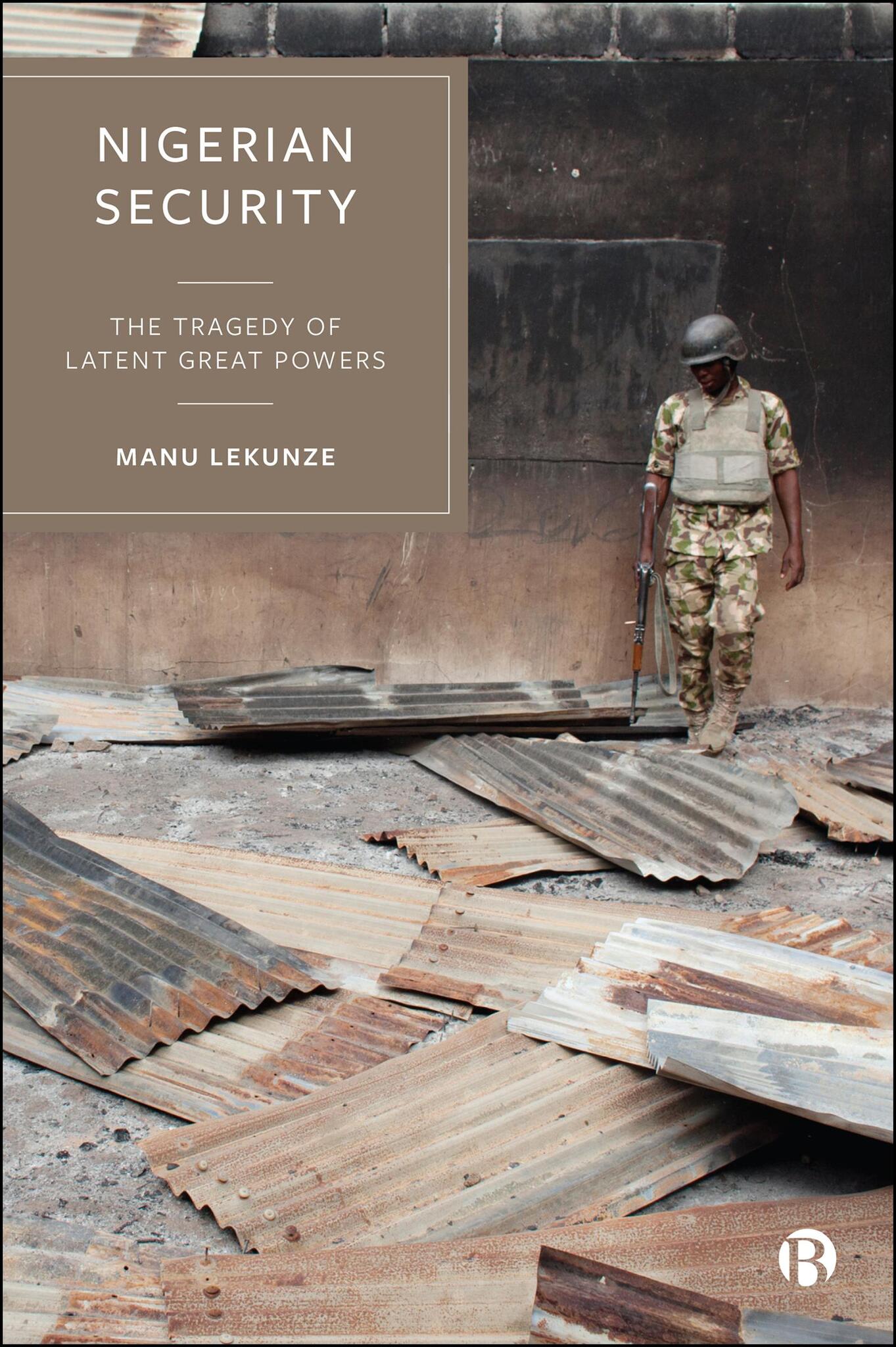
Despite Nigeria’s critical position in African security, academics and policymakers globally often overlook the gravity of its security challenges. This book examines Nigeria’s survival and its implications on international security.
It uses the Nigerian case to contribute to a broader understanding of how great powers relate with small powers, such as most African states. The Nigerian case contributes to the body of literature that integrates small/minor powers into realist studies in International Relations. The empirical and theoretical contributions offer insights for developing more effective policies to address the security challenges outlined in the book.


“Those who study Africa are very used to the claim that Nigeria is a latent great power. Manu Lekunze develops an alternative argument based on the idea that Nigeria is better understood in global terms as a minor military power operating in a highly precarious internal and international context. What follows from this premise is an ambitious, distinctive and provocative analysis of the challenges facing Nigerian security, which concludes that not only is it likely that Nigeria will not survive but that ethnic nationalism might well be the basis for more stable and prosperous successor states in a reconfigured West African political geography.” Ben Page, University College London
1. Introduction
2. International Security
3. Complicated Heterogeneity
4. Incapable Government
5. Deficient Economics
6. A Minor Power
7. A Latent Hegemon
8. Regional Disorder
9. Clash of Interests
10. Intrastate Competition
11. Ethnic Nationalism
12. Realism and Africa
13. Conclusion