


Some error occured while loading the Quick View. Please close the Quick View and try reloading the page.
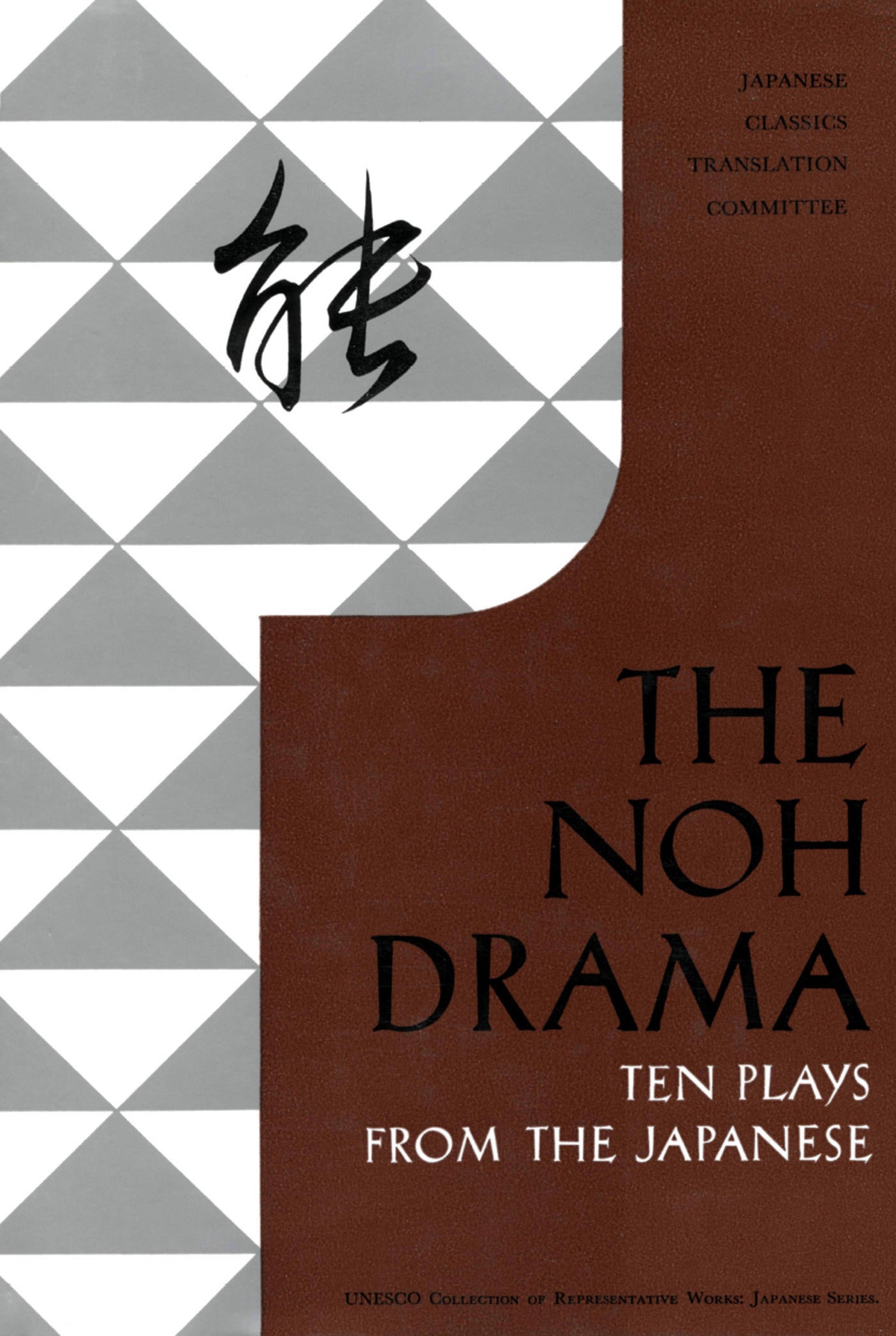
This classic of Japanese studies presents extensive information about the history, culture and practice of Noh drama—one of Japan's most treasured dramatic art forms.
Noh as an independent and original art form—ultimately destined to supersede the earlier Dengaku, Sarugaku and other song dances—incorporates the most significant elements of the former and especially of the Kusemai (tune dance).With it a new literary form may be said to have been created.
The invention of Noh is attributed to Kwannami Kiyotsugu (1333-1384), a distinguished actor and writer of Sarugaku and to his son Zeami Motokiyo (1363-1443), who developed and refined the art under the patronage of Yoshimitsu, the third Ashikaga shogun. In addition to his dramatic activities, Zeami composed a number of works, the most important of which is called the Kwadensho (the Book of the Flower), or more properly, Fushi-kwadensho which he explained the nature and aesthetic principles governing Noh plays, and gave detailed instructions concerning the manner of composition, acting, direction, and production of these dramas.
Combining the elements of dance, miming, music, and chants, Noh plays may be described as lyrico-dramatic tone-poems, in which the text has a function somewhat similar to that of the libretto in a Wagner or Debussy opera.
Noh as an independent and original art form—ultimately destined to supersede the earlier Dengaku, Sarugaku and other song dances—incorporates the most significant elements of the former and especially of the Kusemai (tune dance).With it a new literary form may be said to have been created.
The invention of Noh is attributed to Kwannami Kiyotsugu (1333-1384), a distinguished actor and writer of Sarugaku and to his son Zeami Motokiyo (1363-1443), who developed and refined the art under the patronage of Yoshimitsu, the third Ashikaga shogun. In addition to his dramatic activities, Zeami composed a number of works, the most important of which is called the Kwadensho (the Book of the Flower), or more properly, Fushi-kwadensho which he explained the nature and aesthetic principles governing Noh plays, and gave detailed instructions concerning the manner of composition, acting, direction, and production of these dramas.
Combining the elements of dance, miming, music, and chants, Noh plays may be described as lyrico-dramatic tone-poems, in which the text has a function somewhat similar to that of the libretto in a Wagner or Debussy opera.

Price: $14.99
Pages: 215
Publisher: Tuttle Publishing
Imprint: Tuttle Publishing
Publication Date:
11 December 2012
ISBN: 9781462904563
Format: eBook
