


Some error occured while loading the Quick View. Please close the Quick View and try reloading the page.
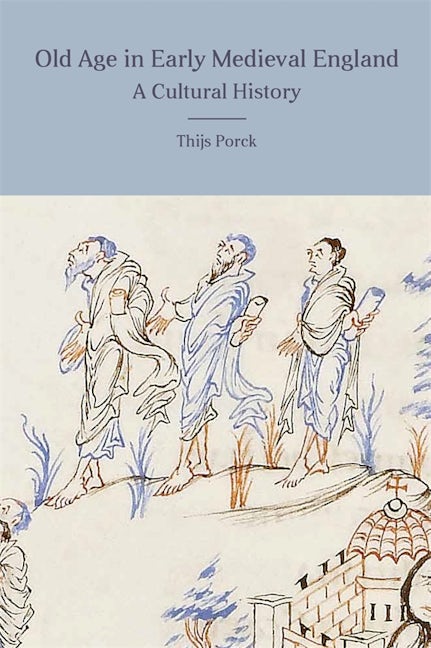
First full-length study of the notion and concept of old age in early medieval England.
How did Anglo-Saxons reflect on the experience of growing old? Was it really a golden age for the elderly, as has been suggested? This first full survey of the Anglo-Saxon cultural conceptualisation of old age, as manifested and reflected in the texts and artwork of the inhabitants of early medieval England, presents a more nuanced and complicated picture. The author argues that although senescence was associated with the potential for wisdom and pious living, the Anglo-Saxons also anticipated various social, psychological and physical repercussions of growing old. Their attitude towards elderly men and women - whether they were saints, warriors or kings - was equally ambivalent.
Multidisciplinary in approach, this book makes use of a wide variety of sources, ranging from the visual arts to hagiography, homiletic literature and heroic poetry. Individual chapters deal with early medieval definitions ofthe life cycle; the merits and drawbacks of old age as represented in Anglo-Saxon homilies and wisdom poetry; the hagiographic topos of elderly saints; the portrayal of grey-haired warriors in heroic literature; Beowulf asa mirror for elderly kings; and the cultural roles attributed to old women.
How did Anglo-Saxons reflect on the experience of growing old? Was it really a golden age for the elderly, as has been suggested? This first full survey of the Anglo-Saxon cultural conceptualisation of old age, as manifested and reflected in the texts and artwork of the inhabitants of early medieval England, presents a more nuanced and complicated picture. The author argues that although senescence was associated with the potential for wisdom and pious living, the Anglo-Saxons also anticipated various social, psychological and physical repercussions of growing old. Their attitude towards elderly men and women - whether they were saints, warriors or kings - was equally ambivalent.
Multidisciplinary in approach, this book makes use of a wide variety of sources, ranging from the visual arts to hagiography, homiletic literature and heroic poetry. Individual chapters deal with early medieval definitions ofthe life cycle; the merits and drawbacks of old age as represented in Anglo-Saxon homilies and wisdom poetry; the hagiographic topos of elderly saints; the portrayal of grey-haired warriors in heroic literature; Beowulf asa mirror for elderly kings; and the cultural roles attributed to old women.

Price: $36.95
Pages: 288
Publisher: Boydell & Brewer Inc.
Imprint: Boydell Press
Publication Date:
18 June 2021
Trim Size: 9.21 X 6.14 in
ISBN: 9781783276349
Format: Paperback
BISACs:
LITERARY CRITICISM / Medieval, Literary studies: ancient, classical and medieval, HISTORY / Europe / Medieval, European history: medieval period, middle ages

A detailed and interesting cultural study, which provides a useful model for studies of later periods.
Introduction
Definitions of Old Age
Merits of Old Age
Drawbacks of Old Age
frode fyrnwitan: Old Saints in Anglo-Saxon Hagiography
hare hilderincas: Old Warriors in Anglo-Saxon England
ealde eðelweardas: Beowulf as a Mirror of Elderly Kings
gamole geomeowlan: Old Women in Anglo-Saxon England
Conclusion
Bibliography
Definitions of Old Age
Merits of Old Age
Drawbacks of Old Age
frode fyrnwitan: Old Saints in Anglo-Saxon Hagiography
hare hilderincas: Old Warriors in Anglo-Saxon England
ealde eðelweardas: Beowulf as a Mirror of Elderly Kings
gamole geomeowlan: Old Women in Anglo-Saxon England
Conclusion
Bibliography