


Some error occured while loading the Quick View. Please close the Quick View and try reloading the page.
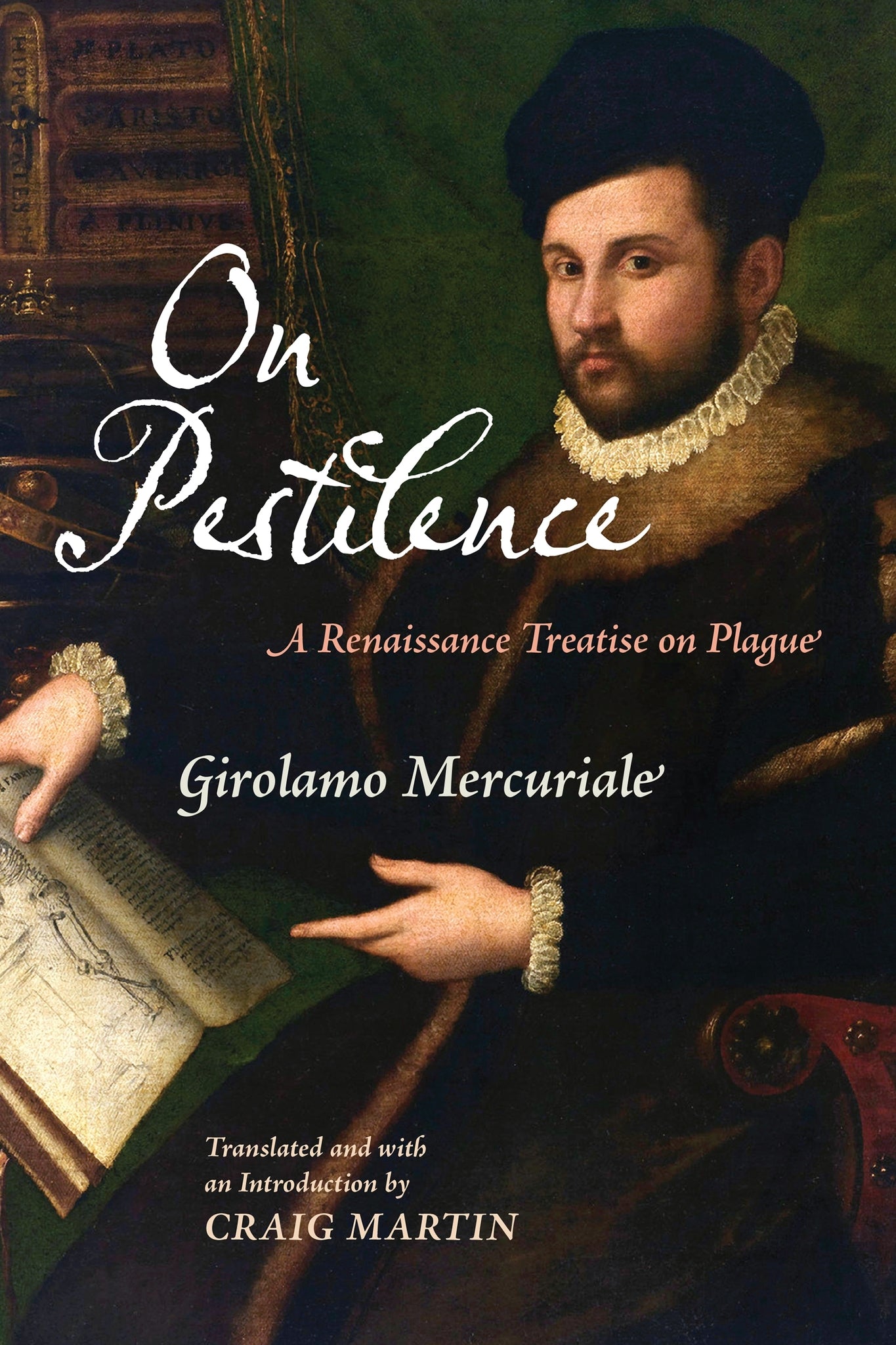
In the spring of 1576, the Health Office of Venice, fearful of a growing outbreak of plague, imposed a quarantine upon the city. The move was controversial, with some in power questioning the precise nature of the disease and concerned about the economic and political impact of the closure. A tribunal of physicians was summoned by the Doge, among them Girolamo Mercuriale, professor of medicine in nearby Padua and perhaps the most famous physician in all of Europe. Whatever the disease was that was affecting Venice, Mercuriale opined, it was not and could not be plague, for it was neither fast-moving nor widespread enough for that diagnosis. Following Mercuriale's advice and against the objections of the Health Office of the Republic, the quarantine was lifted. The rejoicing of the Venetian populace was short-lived. By July 1577, when the outbreak had run its course, the plague had killed an estimated 50,000 Venetians, or approximately a third of the city's population.
In January 1577, in the midst of a plague he now recognized he had misdiagnosed, Mercuriale offered a series of lectures from his seat in Padua. Published under the title On Pestilence, the work surveyed past epidemics, including the Justinianic Plague of the sixth century and the Black Death of the fourteenth, and accounts of plague in Hippocrates, Galen, Avicenna, and other sources. Plague, Mercuriale pronounced, was characterized by its lethal nature and the rapidity with which it spread. He contended it was primarily airborne and was not caught through microbial transmission, but because the air itself became pestiferous and promoted putrefaction. Using his observations, he evaluated recently developed theories of contagion and concluded that pestiferous vapors could also emanate from the diseased bodies of its victims, and that one might also contract the disease from the contaminated clothing or bedding of the ill.
In Craig Martin's translation, On Pestilence appears for the first time in English, accompanied by an introduction that places the work within the context of sixteenth-century Italy, the history of medicine, and our own responses to epidemic disease.

