


Some error occured while loading the Quick View. Please close the Quick View and try reloading the page.
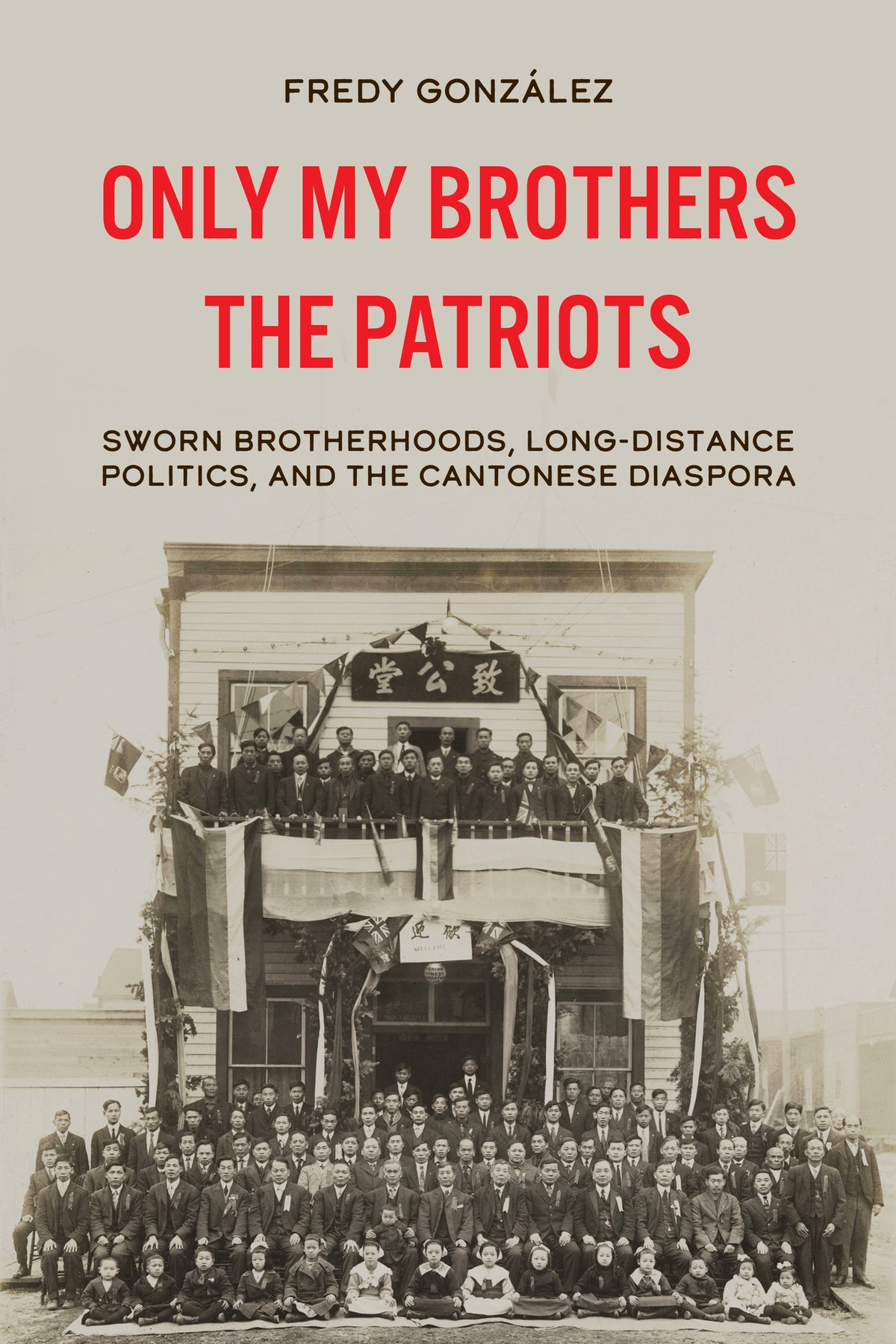
Only My Brothers the Patriots is a historical examination of the overseas Cantonese sworn brotherhood, the Hung Mun Chee Kung Tong. Established in the mid-nineteenth century, the Chee Kung Tong brought together Cantonese migrants across the Americas, western Europe, southern Africa, Australia, and New Zealand for the purpose of mutual aid and protection. Building on its size, geographical spread, and financial resources, the brotherhood maintained transnational social and political connections that gave it considerable influence within local Chinatowns and demanded the attention of politicians in China and Taiwan. Fredy González studies the Chee Kung Tong as a window into the global spread of the Cantonese diaspora, arguing that humble migrants were willing and able to form transnational connections on their own, without the help of outside figures from mainland China.


Fredy González is Associate Professor of Global Asian Studies and History at the University of Illinois Chicago and author of Paisanos Chinos: Transpacific Politics among Chinese Immigrants in Mexico.
Contents
List of Illustrations
Acknowledgments
Note on Language and Usage
Introduction
Chapter 1: Origins
Chapter 2: Creating a Global Brotherhood
Chapter 3: “The Five Continents Acting as One”: Early Politics
Chapter 4: “Unrequited Love”: The Chee Kung Tong and the Second Sino-Japanese War
Chapter 5: Fragmentation: Hung Mun during the Cold War
Chapter 6: Reencounter
Conclusion
Notes
Bibliography
Index