


Some error occured while loading the Quick View. Please close the Quick View and try reloading the page.
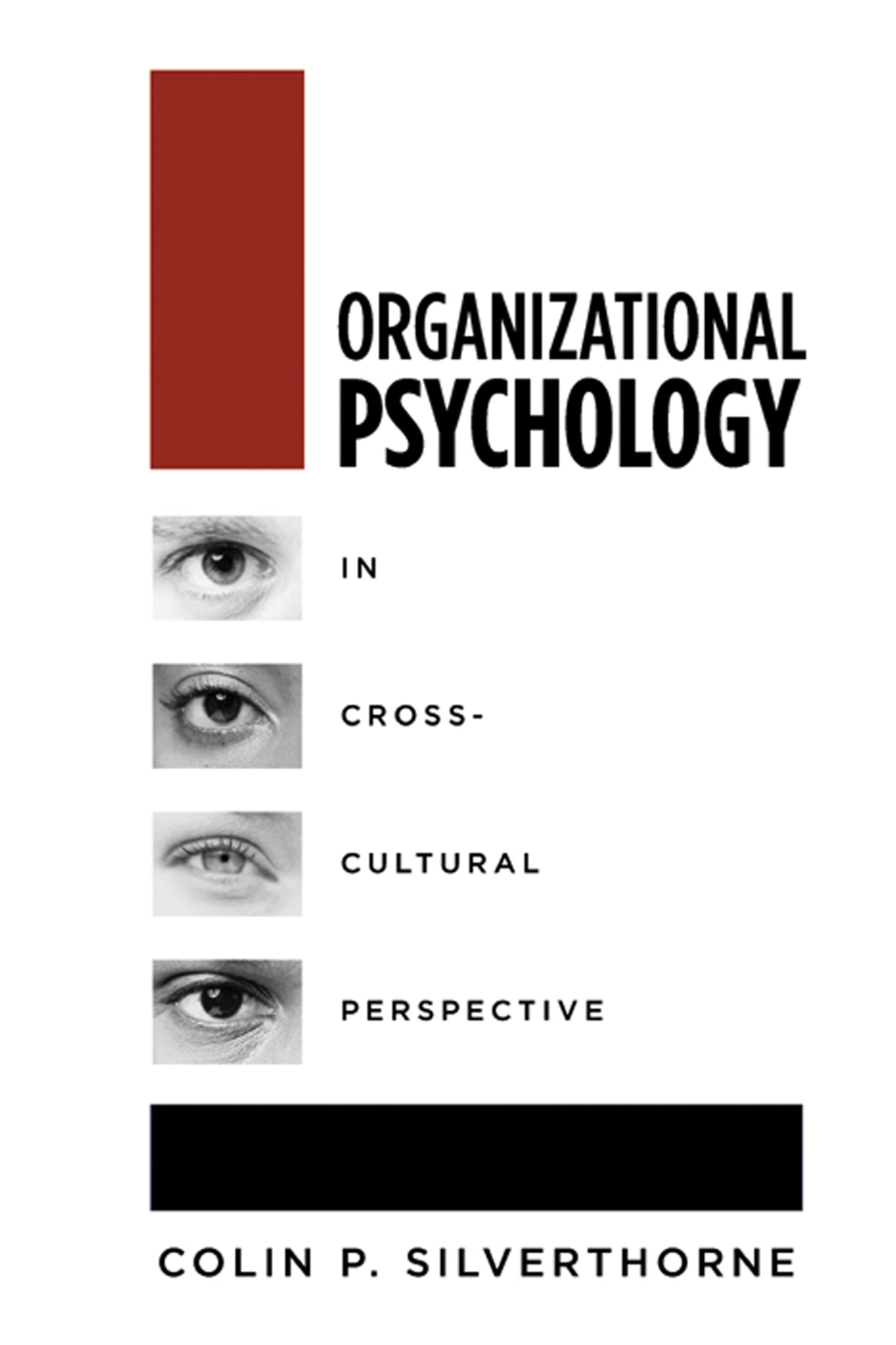
The last two decades have seen an explosive increase in the ethnic diversity of the workforce, growth in international business, and the emergence of many more multinational companies.
The potential for problems as companies operate across borders and managers manage in countries which have different values, norms and cultural behaviors is great. By looking at organizational psychology in a cross-cultural context, we can gain an understanding of the challenges facing organizations and business today.
This text breaks new ground in introducing organizational psychology from a cross cultural perspective. It provides a foundational overview of the current major theories in organizational psychology, and illuminates the impact of cultural differences on organizational dynamics. It also makes available specific research concerning our current understandings of how these dynamics play out in particular regions and countries, such as autocratic versus democratic leadership styles in Africa and Europe or conflict management in Asia. The volume offers a welcome introduction to the topic to those in industrial/organizational psychology, international relations and management, and international business/MBA programs focusing on international issues.


— Maureen OSullivan,Ph.D., Professor of psychology, University of San Francisco
"A rich and fascinating read. . . . Silverthorne has performed the equally daunting and important tasks of bridging the chasms that exist between cultures and bridging disciplinary and methodological perspectives regarding organizations and cultures. I was particularly impressed by the text's exceptional scope. Silverthorne has mapped an entire terrain-ranging from leadership to motivation and from problem-solving to the management of stress. I will be strongly recommending this book to my consulting and coaching colleagues who cross national and cultural boundaries."
— William Bergquist,author of Creating the Appreciative Organization and The Postmodern Organization
"Presents a cogent argument for adopting a cross-cultural perspective, specifically in organizations involved in global enterprise."