


Some error occured while loading the Quick View. Please close the Quick View and try reloading the page.
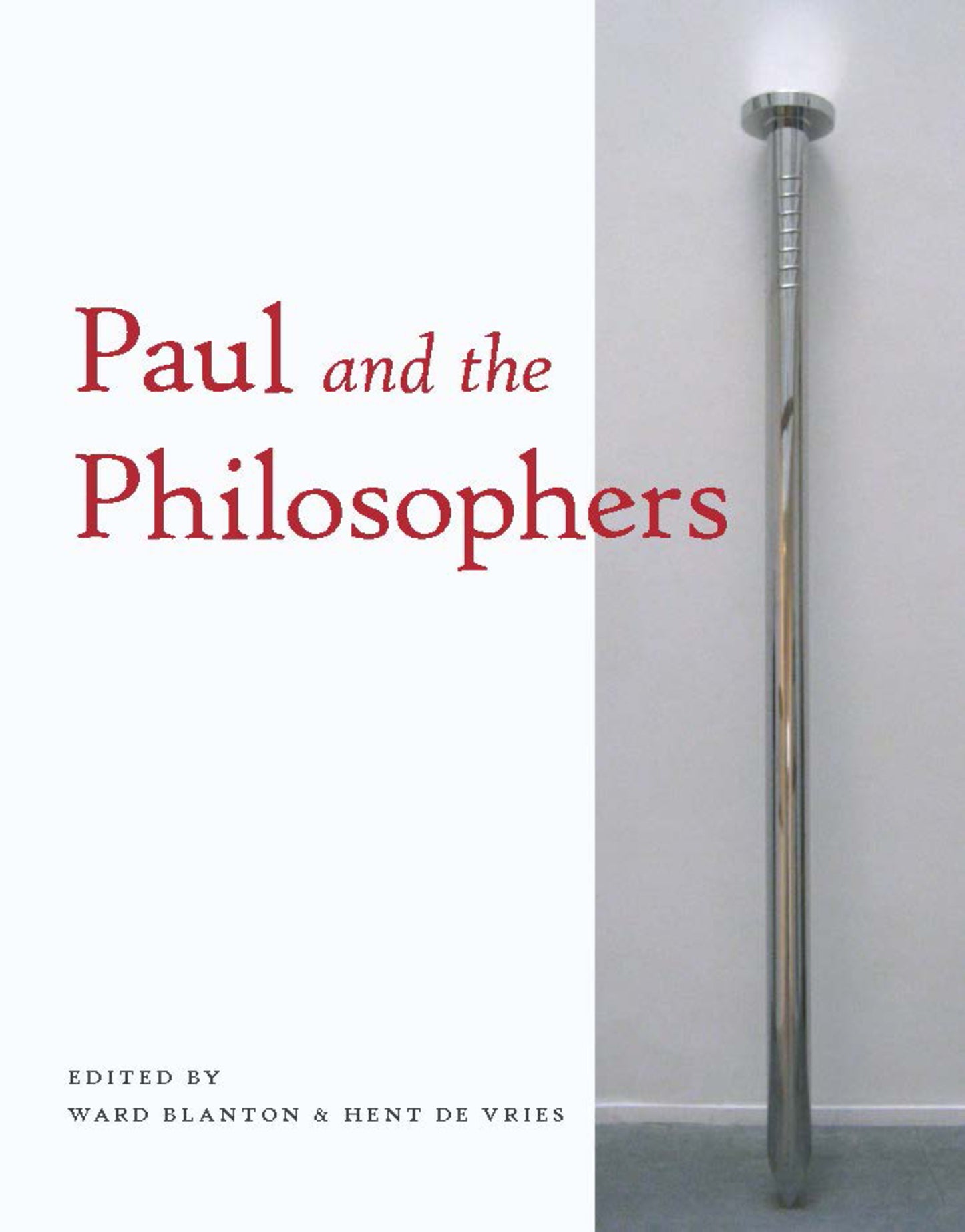
The apostle Paul has reemerged as a force on the contemporary philosophical scene. Some of the most powerful recent affirmations of nonrepresentational, materialist, and event-oriented philosophies repeat topics and tropes of the ancient apostle. Paul is appropriated both for and against Kantian cosmopolitanism, psychoanalytic models of subjectivity and power, Schmittian political theologies, Derridean messianism, political universalism, and an ongoing refashioning of identity politics within postsecular contexts.
This book provides the most comprehensive constellation to date of current thinking about Paul and his cultural or philosophical “afterlives” in ancient, modern, and contemporary contexts.


Informative, insightful, thoughtful, and thought-provoking, 'Paul and the Philosophers' is a strongly recommended addition to academic library History of Philosophy reference collections and supplemental Christian Study reading lists.
. . . this thick book is a fascinating collection, focusing on how Paul has been and is being interpreted by recent and contemporary philosophers. . . this volume certainly goes in the right direction and deserves close attention.
Ward Blanton is a Reader in Biblical Cultures and European Thought in the Department of Religious Studies at the University of Kent. He is the author of Displacing Christian Origins: Philosophy, Secularity, and the New Testament and A Materialism for the Masses: Saint Paul and the Philosophy of Undying Life.
Hent de Vries is Professor in the Humanities Center and the Department of Philosophy at the Johns Hopkins University, where he holds Russ Family Chair and serves as the Director of the Humanities Center. He is currently also a Distinguished Visiting Professor of Comparative Religion at the Hebrew University, Jerusalem, and, from 2014 to 2018, he will serve as the next Director of the School of Criticism and Theory, at Cornell University.