


Some error occured while loading the Quick View. Please close the Quick View and try reloading the page.
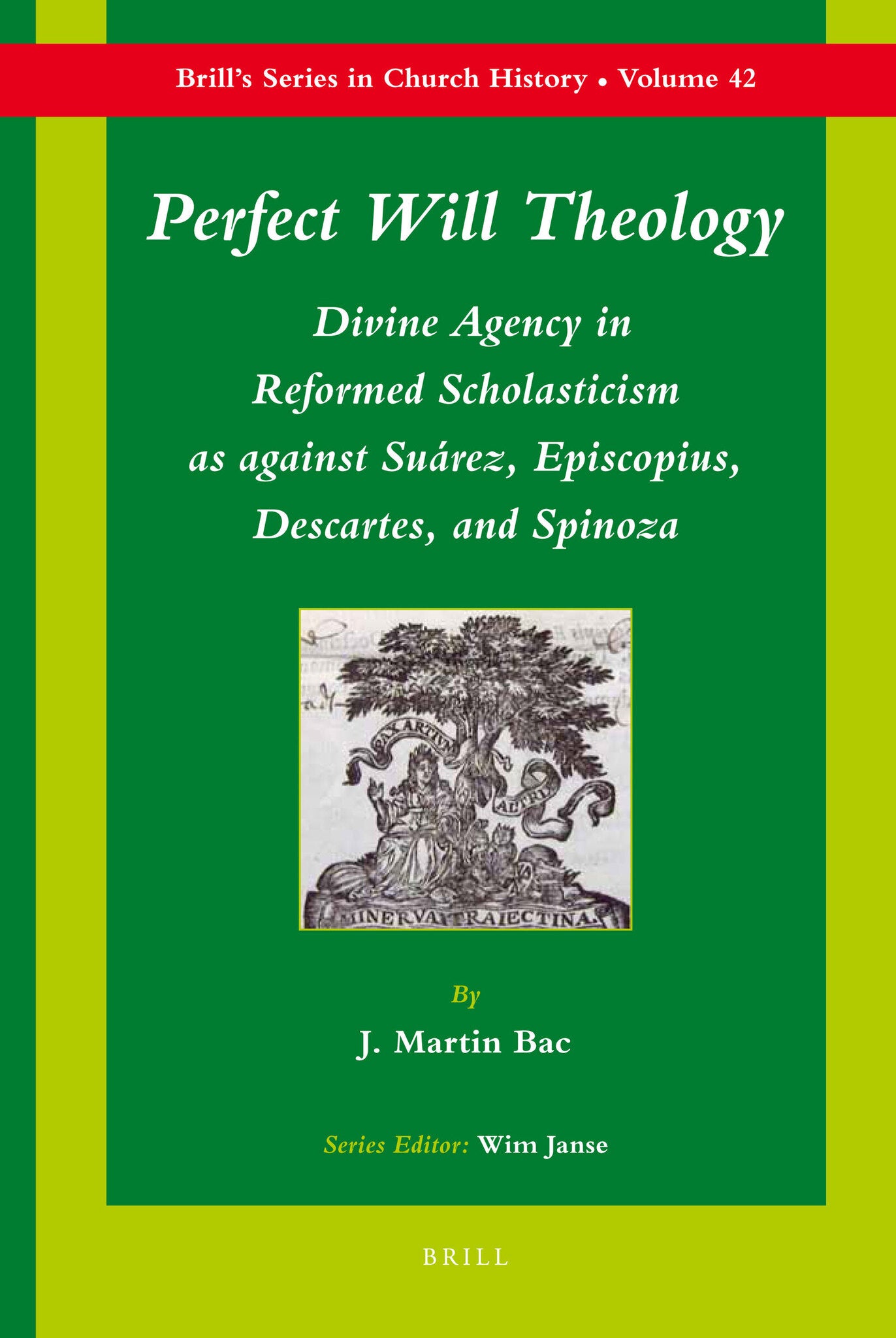
This book revisits four early-modern debates of Reformed theology concerning the will of God. Reformed scholasticism advocated a particular relationship between divine knowledge, will, and power, which was altered by Jesuits, Remonstrants, Descartes, and Spinoza. In all these debates modal categories like contingency and necessity play a prominent part. Therefore, these positions are evaluated with the help of modern modal logic including possible world semantics. The final part of this study presents a systematic defense of the Reformed position, which has been charged of theological determinism and of making God the author of sin. In modern terms, therefore, the relation of divine and human freedom and the problem of evil are discussed.

Price: $240.00
Pages: 566
Publisher: Brill
Imprint: Brill
Publication Date:
16 April 2010
ISBN: 9789004182905
Format: Hardcover

"Bac...[haalt] de gereformeerde scholastiek met haar theologie dichterbij." Peter Wijnberger, Vox Voetianorum, Vol. 34, no. 3, pp. 40-45.
"Perfect Will Theology reveals the vital role that traditional metaphysical concepts such as the analogy of being, the distinction between primary and secondary causality, and a full-orbed understanding of the voluntas Dei can and should play in a Reformed doctrine of God [...] A welcome book."
Scott R. Swain, International Journal of Systematic Theology 16.1
"Perfect Will Theology reveals the vital role that traditional metaphysical concepts such as the analogy of being, the distinction between primary and secondary causality, and a full-orbed understanding of the voluntas Dei can and should play in a Reformed doctrine of God [...] A welcome book."
Scott R. Swain, International Journal of Systematic Theology 16.1
J. Martin Bac, Ph. D. (2008) in Theology, Protestant Theological University, Utrecht, has published on Reformed scholasticism and its medieval background, including "Reformed Thought on Freedom. The Concept of Free Choice in the History of Early-Modern Reformed Theology" (edited with Willem J. van Asselt and Roelf T. te Velde (Grand Rapids, forthcoming 2010).