


Some error occured while loading the Quick View. Please close the Quick View and try reloading the page.
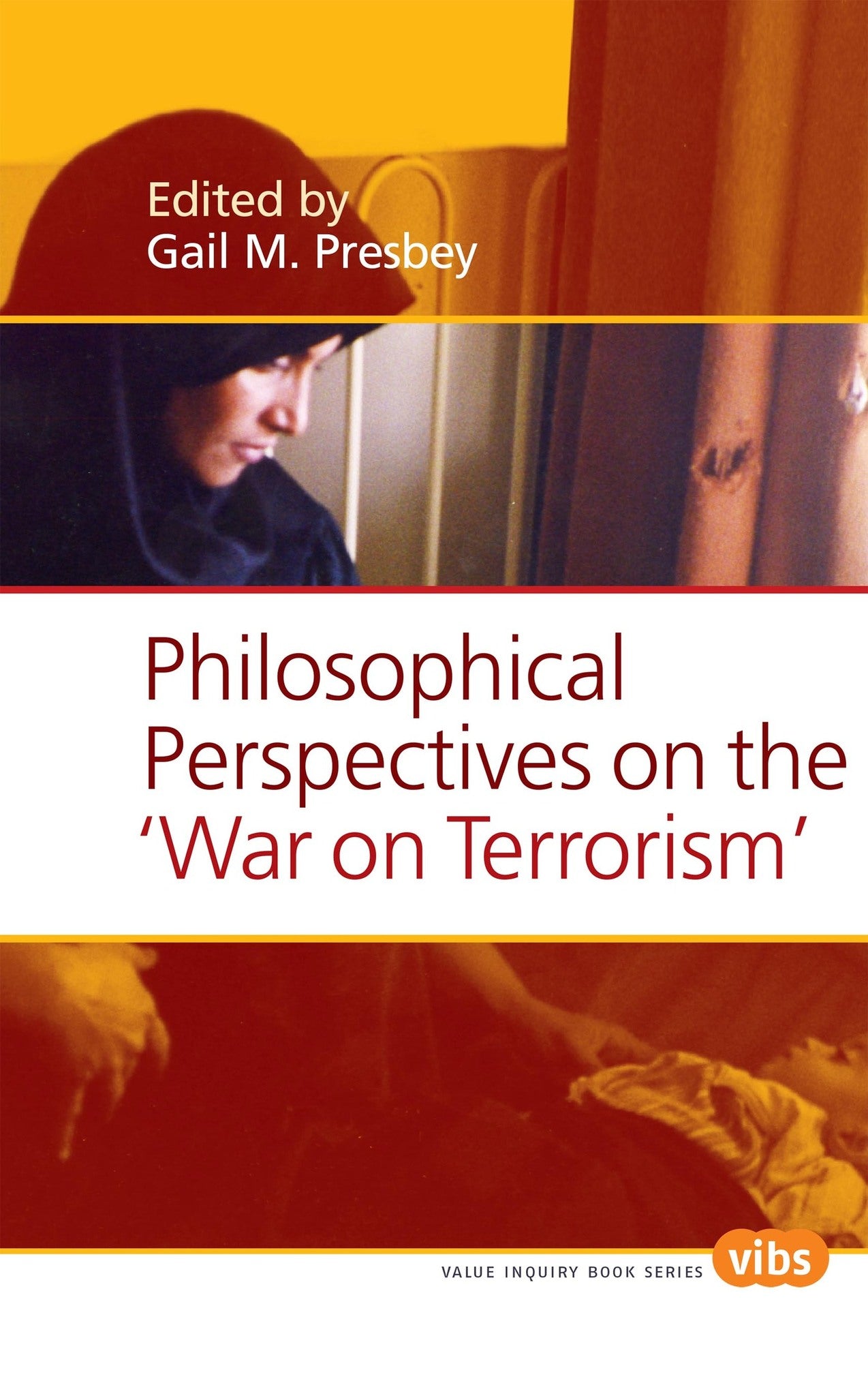
This book responds to the Bush Administration position on the “war on terror.” It examines preemption within the context of “just war”; justification for the United States-led invasion of Iraq, with some authors charging that its tactics serve to increase terror; global terrorism; and concepts such as reconciliation, Islamic identity, nationalism, and intervention.

Price: $206.00
Pages: 505
Publisher: Brill
Imprint: Brill
Publication Date:
01 January 2007
ISBN: 9789042021969
Format: Hardcover

”the collection has much to offer. In addition, Presbey’s own contribution (one of the longer essays in the collection) provides a very useful overview--almost a timeline--of the policy decisions and justifications made during and after the buildup to the war in Iraq, the presumed “heart” of the “war on terrorism.” … [the book] takes up the task of restoring philosophical reflection as an integral part of public discourse traditionally valued by democratic societies. The essays in this book demonstrate that professional philosophy need not be merely an academic pursuit written for a specialized audience but can demonstrate and model the skills needed for responsible and engaged citizenship. This book helps restore the social and political role of philosophers. The essays here not only model how to ask the right questions, uncover unnoticed assumptions, and expose the contradictions between stated values and actual practices, but also point to alternative understandings of democracy, human rights, and intercultural dialogue. If the themes and ideas articulated in this book can help to shape a public (and not a merely academic) reflection on these issues, this book will accomplish more than being simply a welcome addition to philosophy of peace studies.” in: H-Net Reviews, March, 2009