


Some error occured while loading the Quick View. Please close the Quick View and try reloading the page.
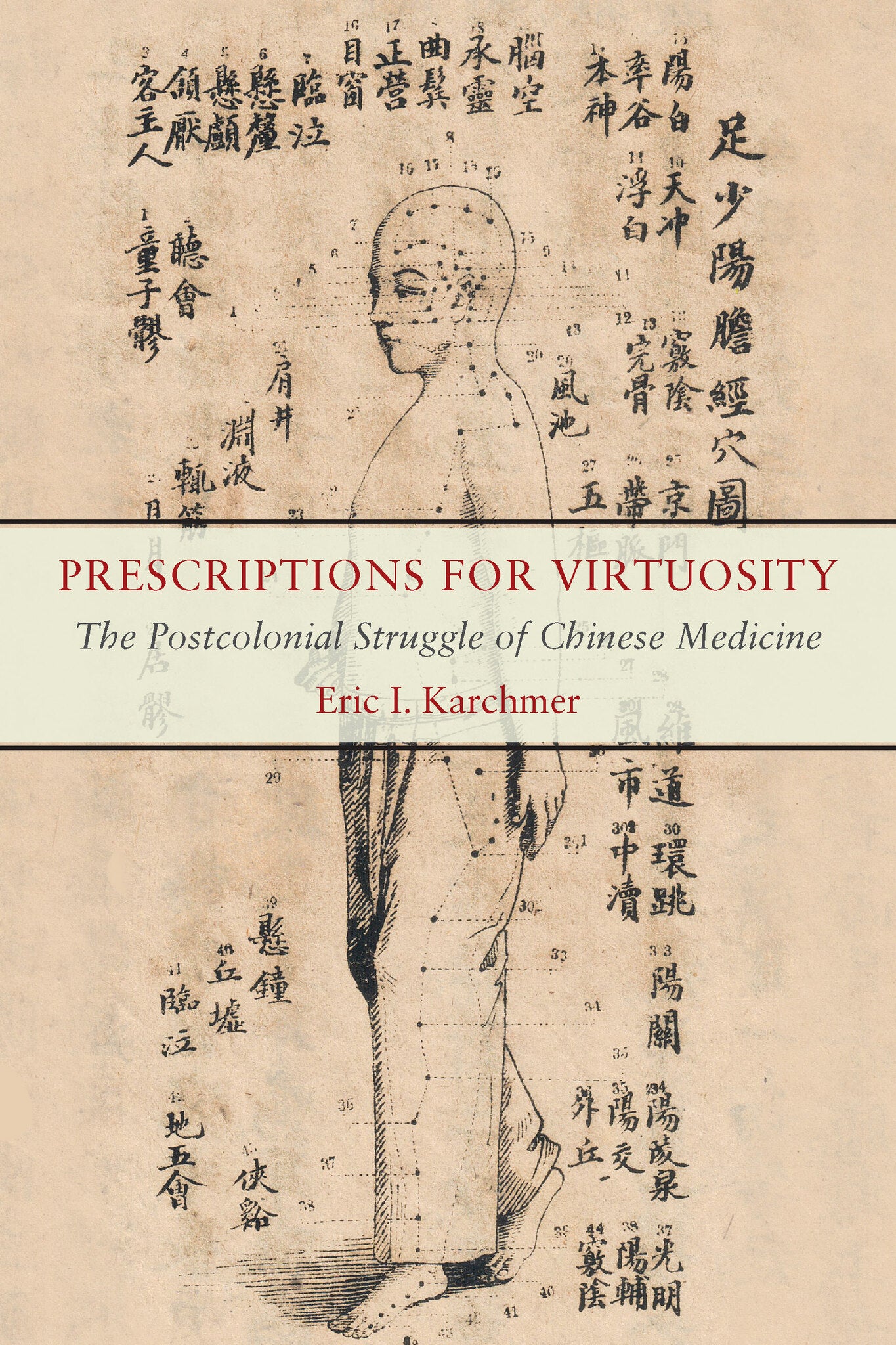
Although Chinese medicine is assumed to be a timeless healing tradition, the encounter with modern biomedicine threatened its very existence and led to many radical changes. Prescriptions for Virtuosity tells the story of how doctors of Chinese medicine have responded to the global dominance of biomedicine and developed new forms of virtuosity to keep their clinical practice relevant in contemporary Chinese society.
Based on extensive ethnographic and historical research, the book documents the strategies of Chinese medicine doctors to navigate postcolonial power inequalities. Doctors have followed two seemingly contradictory courses of action. First, they have emphasized the unique “Chinese” characteristics of their practice, defining them against the perceived strengths of biomedicine, and producing an ontological divide between the two medical systems. These oppositions have inadvertently marginalized Chinese medicine, making it seem appropriate for clinical use only when biomedical solutions are lacking. Second, doctors have found points of convergence to facilitate the blending of the two medical practices, producing innovative solutions to difficult clinical problems.
Prescriptions for Virtuosity examines how the postcolonial condition can generate not only domination but hybridity. Karchmer shows, for example, how the clinical methodology of “pattern discrimination and treatment determination” bianzheng lunzhi, which is today celebrated as the quintessential characteristic of Chinese medicine, is a twentieth-century invention. When subjected to the institutional standardizations of hospital practice, bianzheng lunzhi can lead to an impoverished form of medicine. But in the hands of a virtuoso physicians, it becomes a dynamic tool for moving between biomedicine and Chinese medicine to create innovative new therapies.


Is this the best of both worlds in combining the experience of thousands of years with the latest biomedical interventions? Or is this situation better described as one of postcoloniality in which it appears Chinese medicine has survived the encounter with biomedicine yet biomedicine continues to colonise Chinese medicine? This outstanding book is the best companion for those who recognise the importance of these questions.
Introduction | 1
1. Efficacies of the State | 29
2. Geographies of the Body | 69
3. Frail Bodies and the Problem of Diagnosis | 107
4. New Textbooks, New Medicine | 140
5. Chinese Medicine on the Margins | 180
6. Prescriptions for Virtuosity | 215
Epilogue | 231
Acknowledgments | 237
Notes | 243
References | 253
Index | 267