


Some error occured while loading the Quick View. Please close the Quick View and try reloading the page.
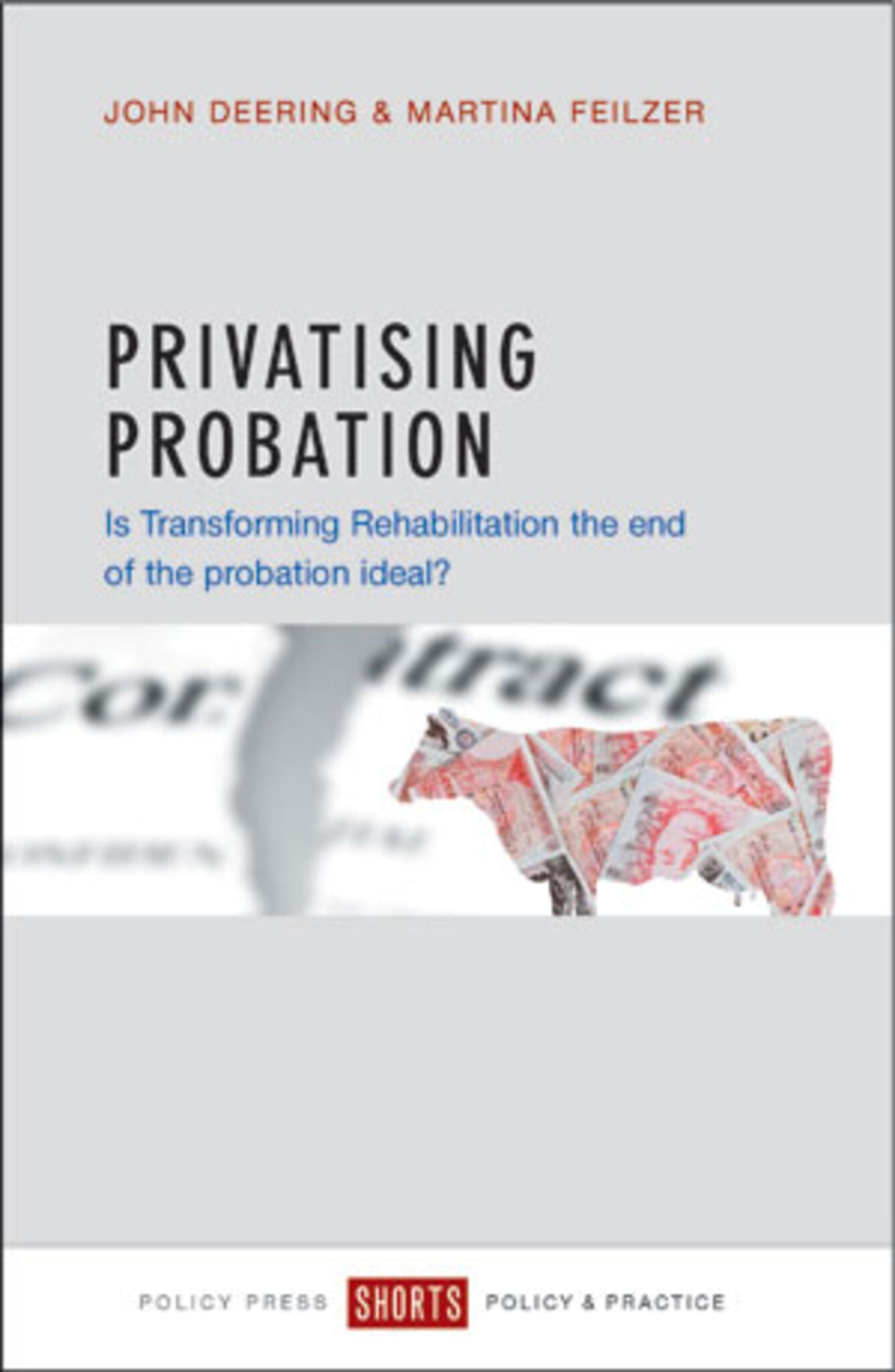
Over the past 20 years, there have been many changes to probation governance in England and Wales aimed at controlling it from central government. However, the changes introduced under the Transforming Rehabilitation (TR) agenda, introduced in 2013, are unprecedented: the service has been divided and part-privatised and no longer exists as a unified public body.
This topical book looks at the attitudes of probation practitioners and managers to the philosophy, values, and practicalities of TR. Based on a unique online survey of over 1300 respondents which found that they were unequivocally opposed to its broad aims and objectives, it provides unique insights into the values, attitudes and beliefs of probation staff and their delivery of services.
Including broader discussion of the privatisation/marketisation debate, the context of privatisation of criminal justice services and questions of legitimacy and governance, this is essential reading for everyone interested in the future of the service.


John Deering is Senior Lecturer in Criminology & Criminal Justice at the University of South Wales. His research interests include the probation service and criminal justice system. He previously worked as a probation officer.
Martina Feilzer is Senior Lecturer in Criminology & Criminal Justice at Bangor University. Her research interests include penal policy, perceptions of crime and criminal justice, and research methods, in particular narrative research and mixed methods research.
Introduction;
Respondent views on the purposes and values of the probation service;
Is this the end of an ideal?;
Prospects for the future;
Subsequent events.