


Some error occured while loading the Quick View. Please close the Quick View and try reloading the page.
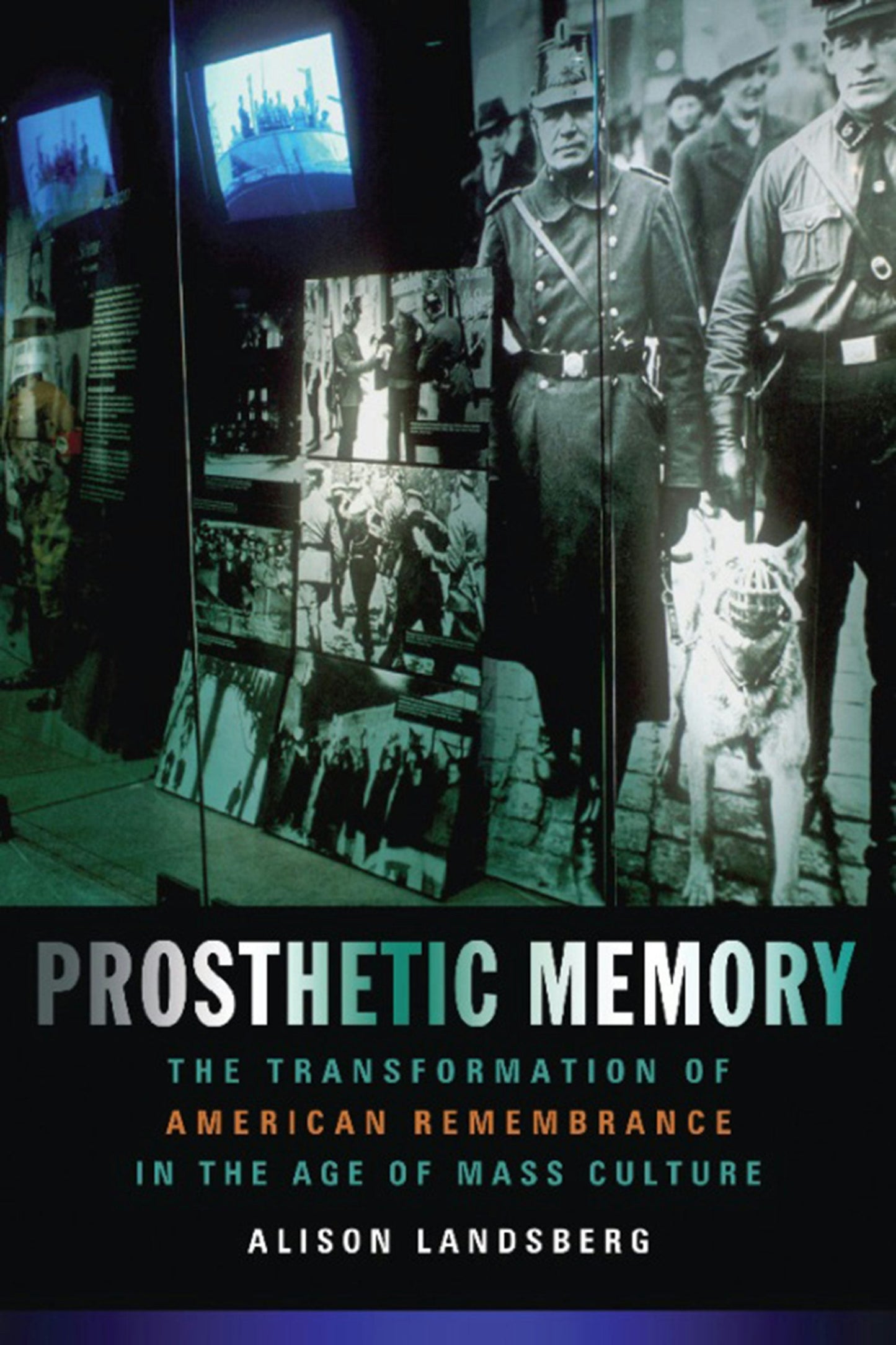
Instead of compartmentalizing American experience, the technologies of mass culture make it possible for anyone, regardless of race, ethnicity, or gender to share collective memories—to assimilate as personal experience historical events through which they themselves did not live. That's the provocative argument of this book, which examines the formation and potential of privately felt public memories. Alison Landsberg argues that mass cultural forms such as cinema and television in fact contain the still-unrealized potential for a progressive politics based on empathy for the historical experiences of others. The result is a new form of public cultural memory—"prosthetic" memory—that awakens the potential in American society for increased social responsibility and political alliances that transcend the essentialism and ethnic particularism of contemporary identity politics.

Price: $140.00
Pages: 240
Publisher: Columbia University Press
Imprint: Columbia University Press
Publication Date:
April 14, 2004
ISBN: 9780231129268
Format: Hardcover
BISACs:
HISTORY / United States / General

Alison Landsberg is assistant professor of American cultural history at George Mason University. She lives in Arlington, Virginia.
Introduction: Memory, Modernity, Mass Culture
1. Prosthetic Memory
2. The Prosthetic Imagination: Immigration Narratives and the 'Melting Down' of Difference
3. Remembering Slavery: Childhood, Desire, and the Interpellative Power of the Past
4. America, the Holocaust, and the Mass Culture of Memory: The 'Object' of Remembering
Epilogue: Towards a Radical Practice of Memory