


Some error occured while loading the Quick View. Please close the Quick View and try reloading the page.
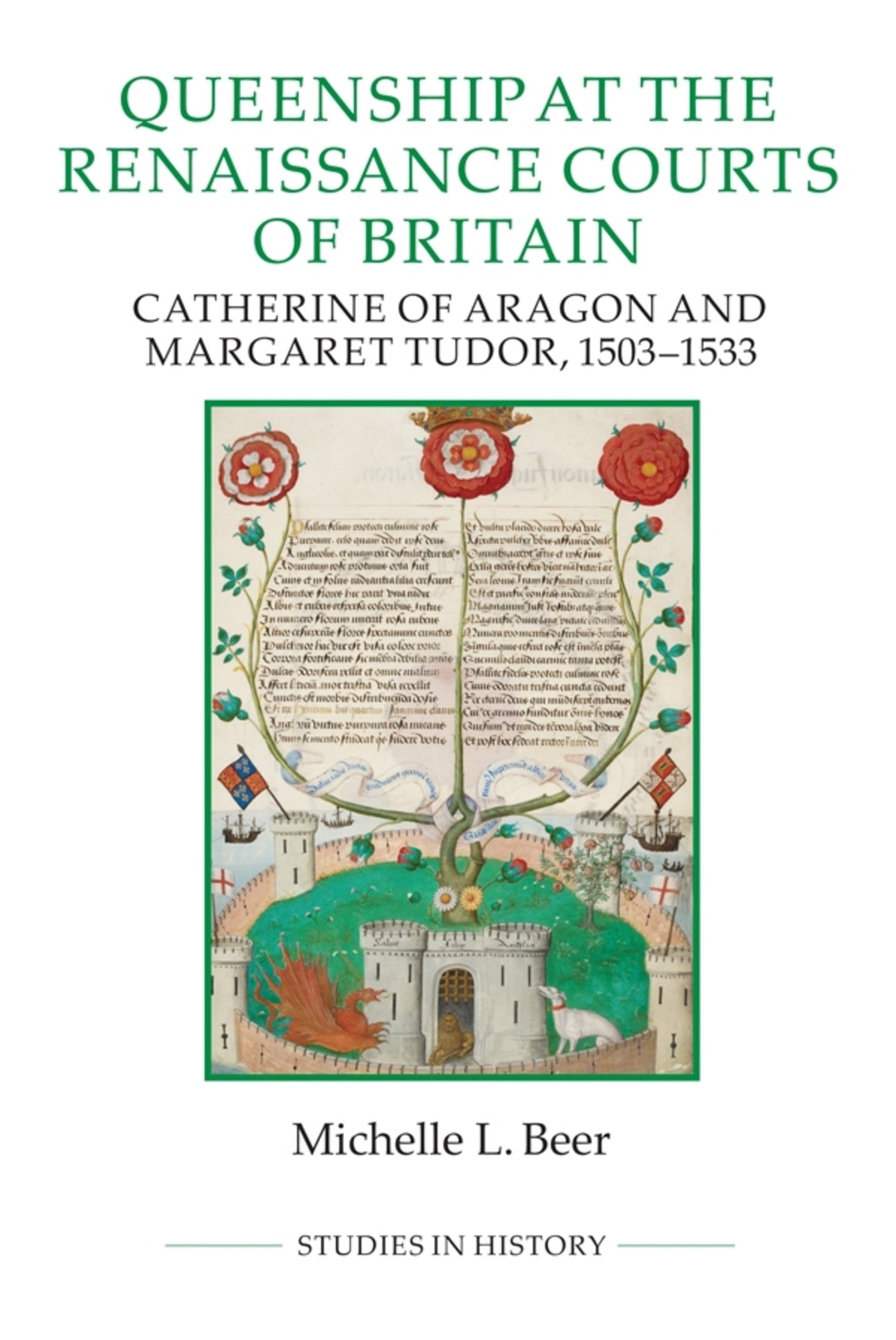
A study of the performance of queenship by two Tudor monarchs, showing the strategies they used to assert their power.
Catherine of Aragon (r.1509-33) and her sister-in-law Margaret Tudor (r.1503-13) presided as queens over the glittering sixteenth-century courts of England and Scotland, alongside their husbands Henry VIII of England and James IV of Scotland. Although we know a great deal about these two formidable sixteenth-century kings, we understand very little about how their two queens contributed to their reigns. How did these young, foreign women become effective and trusted consorts, and powerful political figures in their own right?
This book argues that Catherine and Margaret's performance of queenship combined medieval queenly virtues with the new opportunities for influence and power offered by Renaissance court culture. Royal rituals such as childbirth and the Royal Maundy, courtly spectacles such as tournaments, banquets and diplomatic summits, or practices such as arranged marriages and gift-giving, were all moments when Catherine and Margaret could assert their honour, status and identity as queens. Their husbands' support for their activities at court helped bring them the influence and patronage necessary to pursue their own political goals and obtain favour and rewards for their servants and followers. Situating Catherine and Margaret's careers within the history of the royal courts of England and Scotland and amongst their queenly peers, this book reveals these two queens as intimately connected agents of political influence and dynastic power.
MICHELLE BEER is an independent researcher working in Oakland, California.
Catherine of Aragon (r.1509-33) and her sister-in-law Margaret Tudor (r.1503-13) presided as queens over the glittering sixteenth-century courts of England and Scotland, alongside their husbands Henry VIII of England and James IV of Scotland. Although we know a great deal about these two formidable sixteenth-century kings, we understand very little about how their two queens contributed to their reigns. How did these young, foreign women become effective and trusted consorts, and powerful political figures in their own right?
This book argues that Catherine and Margaret's performance of queenship combined medieval queenly virtues with the new opportunities for influence and power offered by Renaissance court culture. Royal rituals such as childbirth and the Royal Maundy, courtly spectacles such as tournaments, banquets and diplomatic summits, or practices such as arranged marriages and gift-giving, were all moments when Catherine and Margaret could assert their honour, status and identity as queens. Their husbands' support for their activities at court helped bring them the influence and patronage necessary to pursue their own political goals and obtain favour and rewards for their servants and followers. Situating Catherine and Margaret's careers within the history of the royal courts of England and Scotland and amongst their queenly peers, this book reveals these two queens as intimately connected agents of political influence and dynastic power.
MICHELLE BEER is an independent researcher working in Oakland, California.

Price: $120.00
Pages: 202
Publisher: Boydell & Brewer Inc.
Imprint: Royal Historical Society
Series: Royal Historical Society Studies in History New Series
Publication Date:
19 October 2018
Trim Size: 9.21 X 6.14 in
ISBN: 9780861933488
Format: Hardcover
BISACs:
HISTORY / Europe / Renaissance, European history: Renaissance, HISTORY / Europe / Great Britain / General, HISTORY / Europe / Medieval, European history

This monograph is a very strong piece of scholarship; it is well constructed and clearly written and is highly recommended for both scholars and students. Beer . . . offers innovative discussions about public piety, the queen's role as hostess, and the use not only of material culture but also of material itself, for the projection of queenly authority.
[A]n invaluable resource for advanced students and researchers assessing the early modern court or the gendered exercise of power in Renaissance culture.
Building on considerable research, Michelle Beer offers convincing conclusions about the queenly image and authority of two sixteenth-century consorts.
— Emily Chambers
This book provides significant insights in the roles played by queens in the British courts of the early sixteenth century. ... the focus remains on the queens and their significance at court, rather than Henry's various marital shenanigans. Beer's work would be an invaluable addition to history and gender studies courses, as traditional history sometimes downplays the role of queens at the Renaissance court.
[A]n invaluable resource for advanced students and researchers assessing the early modern court or the gendered exercise of power in Renaissance culture.
Building on considerable research, Michelle Beer offers convincing conclusions about the queenly image and authority of two sixteenth-century consorts.
— Emily Chambers
This book provides significant insights in the roles played by queens in the British courts of the early sixteenth century. ... the focus remains on the queens and their significance at court, rather than Henry's various marital shenanigans. Beer's work would be an invaluable addition to history and gender studies courses, as traditional history sometimes downplays the role of queens at the Renaissance court.
Introduction
Elizabeth of York
Material magnificence, royal identity and the queen's body
The social queen
Patronage in partnership
Queenship and pre-Reformation piety
Conclusion
Bibliography
Index
Elizabeth of York
Material magnificence, royal identity and the queen's body
The social queen
Patronage in partnership
Queenship and pre-Reformation piety
Conclusion
Bibliography
Index