


Some error occured while loading the Quick View. Please close the Quick View and try reloading the page.
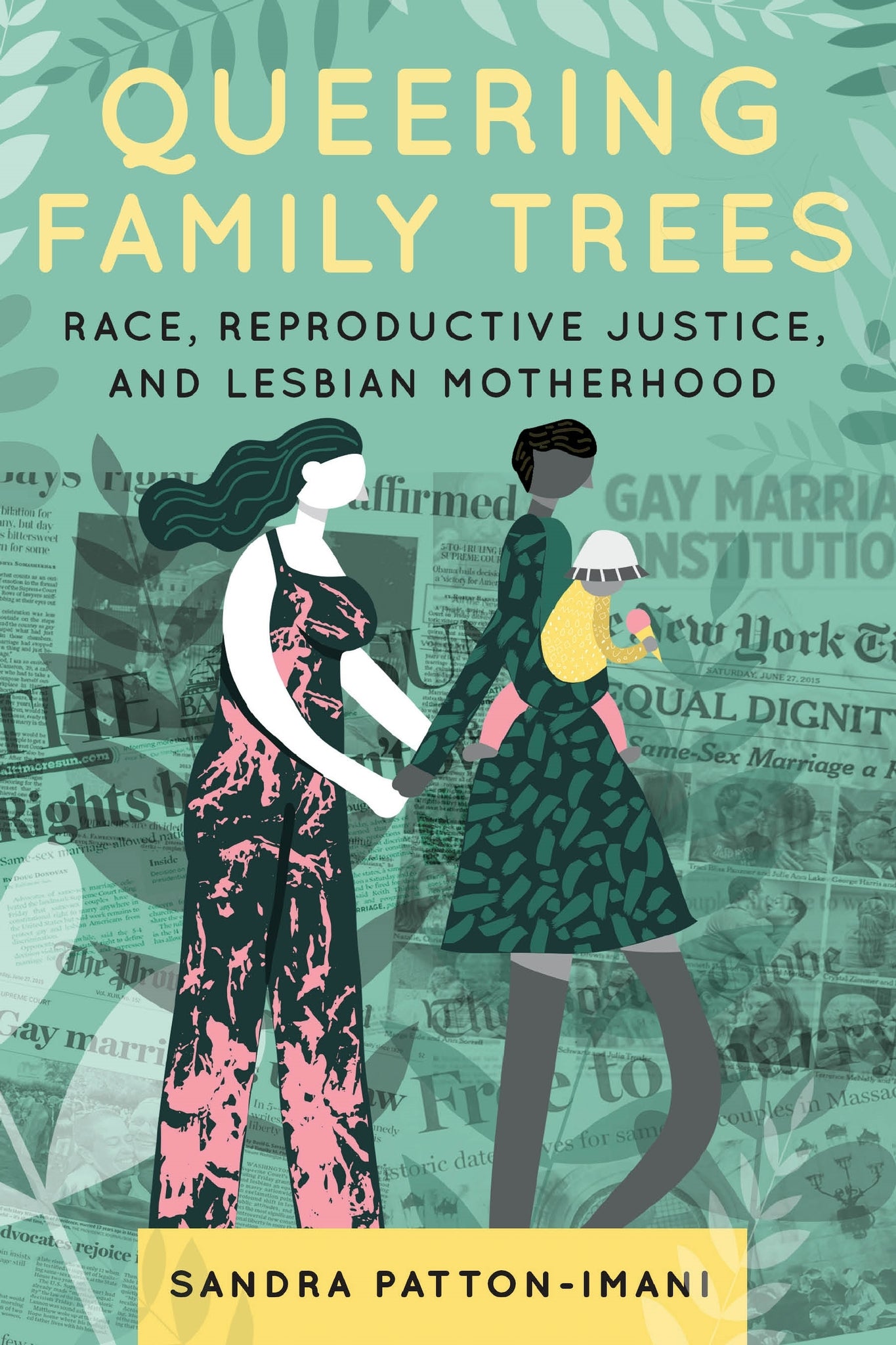
Argues that significant barriers to family-making exist for lesbian mothers of color in the United States
One might be tempted, in the afterglow of Obergefell v. Hodges, to believe that the battle has been won, that gays and lesbians fought a tough fight and finally achieved equality in the United States through access to legal marriage. But that narrative tells only one version of a very complex story about family and citizenship.
Queering Family Trees explores the lived experience of queer mothers in the United States, drawing on over one hundred interviews with African American, Latina, Native American, white, and Asian American lesbian mothers living in a range of socioeconomic circumstances to show how they have navigated family-making. While the legalization of same-sex marriage and adoption in 2015 has provided avenues toward equality for some couples, structural and economic barriers have meant that others—especially queer women of color who often have fewer financial resources—have not been able to access seemingly available “choices” such as second-parent adoptions, powers of attorney, and wills. Sandra Patton-Imani here argues that the virtual exclusion of lesbians of color from public narratives about LGBTQ families is crucial to maintaining the narrative that legal marriage for same-sex couples provides access to full equality as citizens.
Through the lens of reproductive justice, Patton-Imani argues that the federal legalization of same-sex marriage reinforces existing structures of inequality grounded in race, gender, sexuality, and class. Queering Family Trees explores the lives of a critically erased segment of the queer population, demonstrating that the seemingly “color blind” solutions offered by marriage equality do not rectify such inequalities.


"Patton-Imani’s historical narrative-based exploration forces us to think about the roads not taken, the intersecting side roads of welfare, immigration, adoption, and marginalized families, from the 1990’s through Obergefell."